
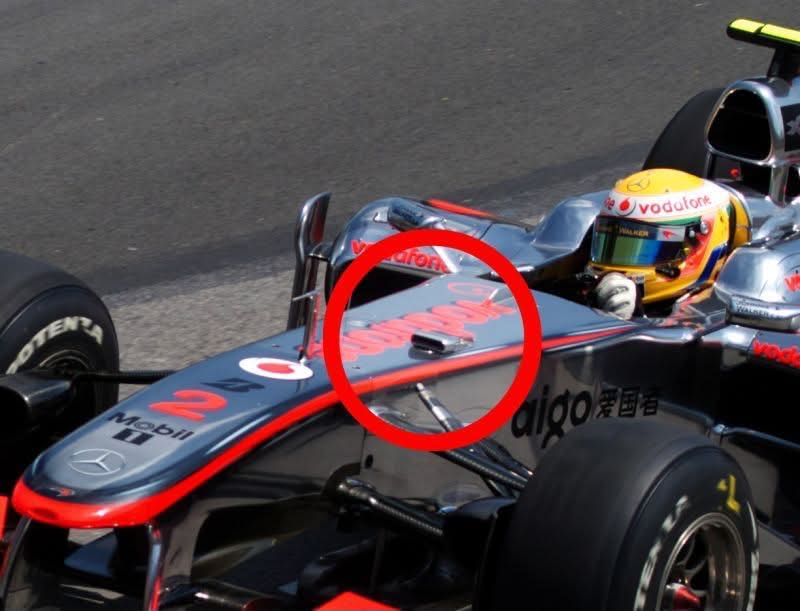
The Clever Engineering Behind F1's F-Duct
McLaren’s 2010 F-duct found a way to stall the rear wing on the straights without moving aero parts, turning the driver into part of the airflow system.
F1 Posts
Technical explainers, race history, team stories, and the engineering threads that shaped the sport.
McLaren’s 2010 F-duct found a way to stall the rear wing on the straights without moving aero parts, turning the driver into part of the airflow system.
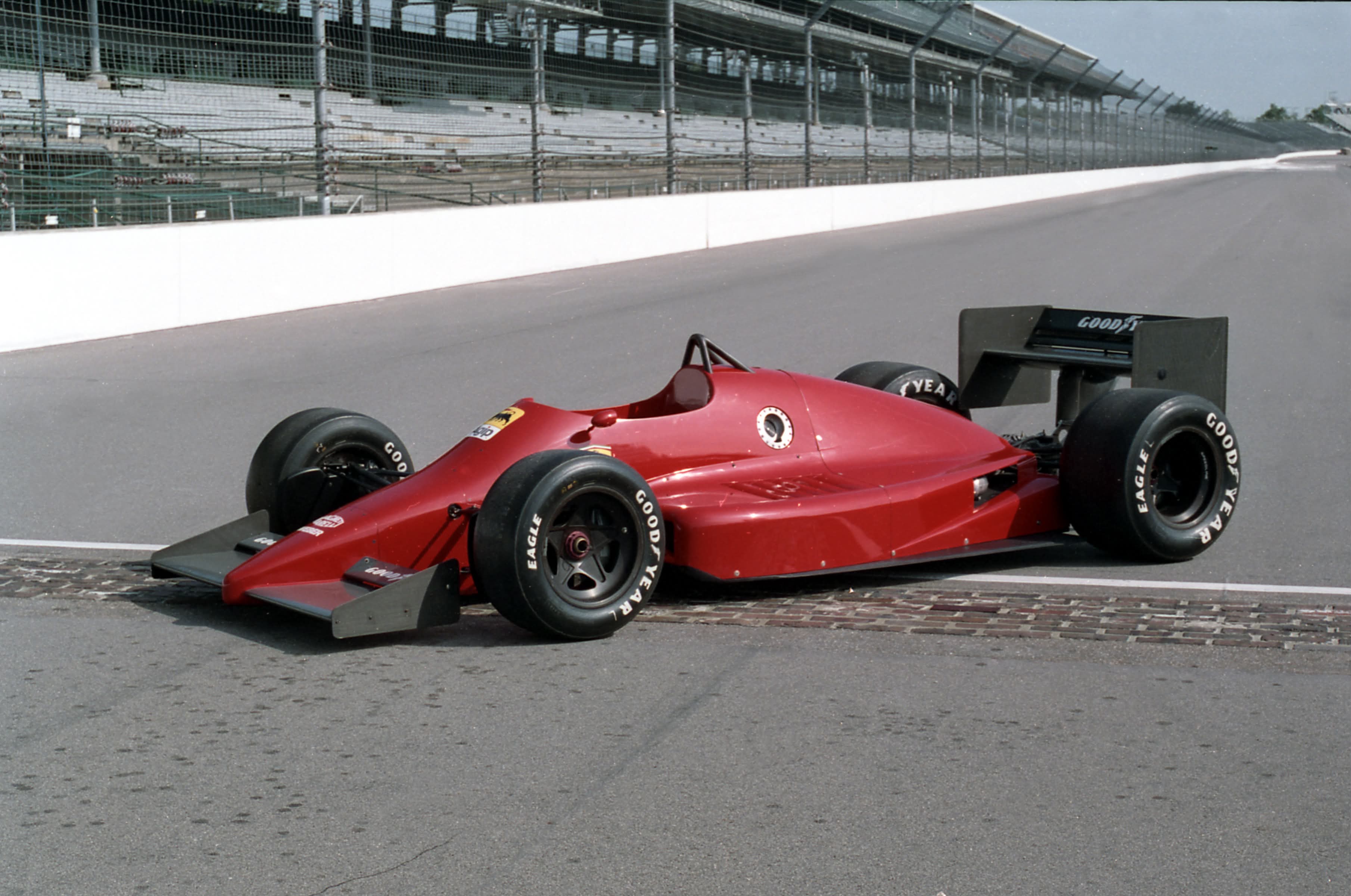
Enzo Ferrari’s fury over F1 engine rules became more than political theatre: Maranello built the Ferrari 637, a real CART-style IndyCar that never raced.
After the 1997 European GP at Jerez, Ferrari accused Williams and McLaren of manipulating the result. The FIA saw it differently.
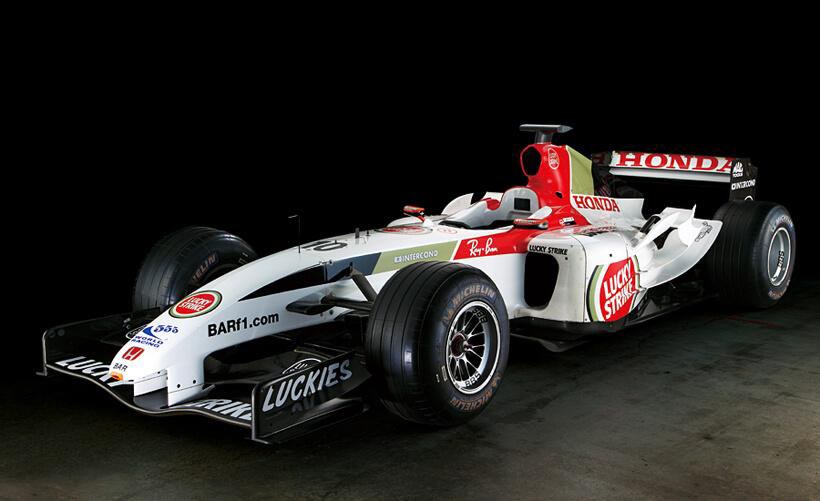
BAR-Honda’s 2004 Front Torque Transfer system linked the front wheels under braking, promising lap-time gains before F1’s politics and rulebook closed in.
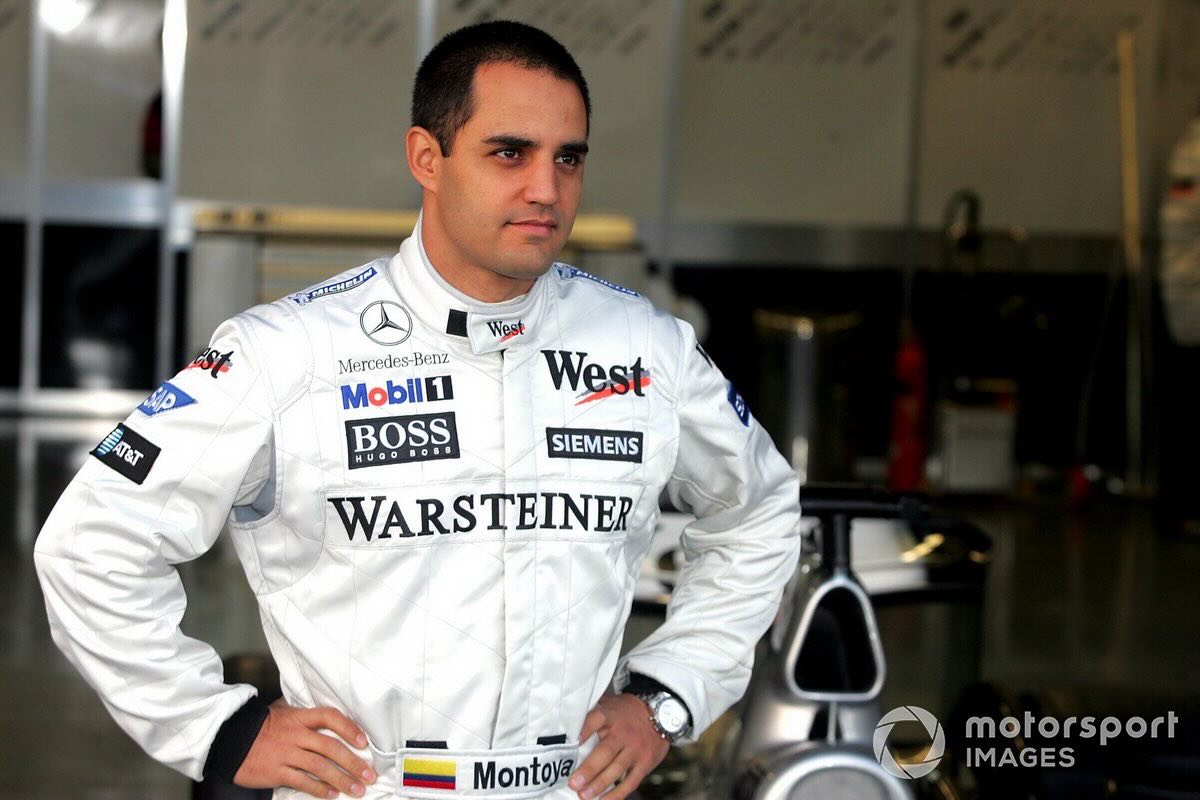
Juan Pablo Montoya had the charisma, pace, and nerve to become a world champion, but his F1 story was always more complicated than pure speed.
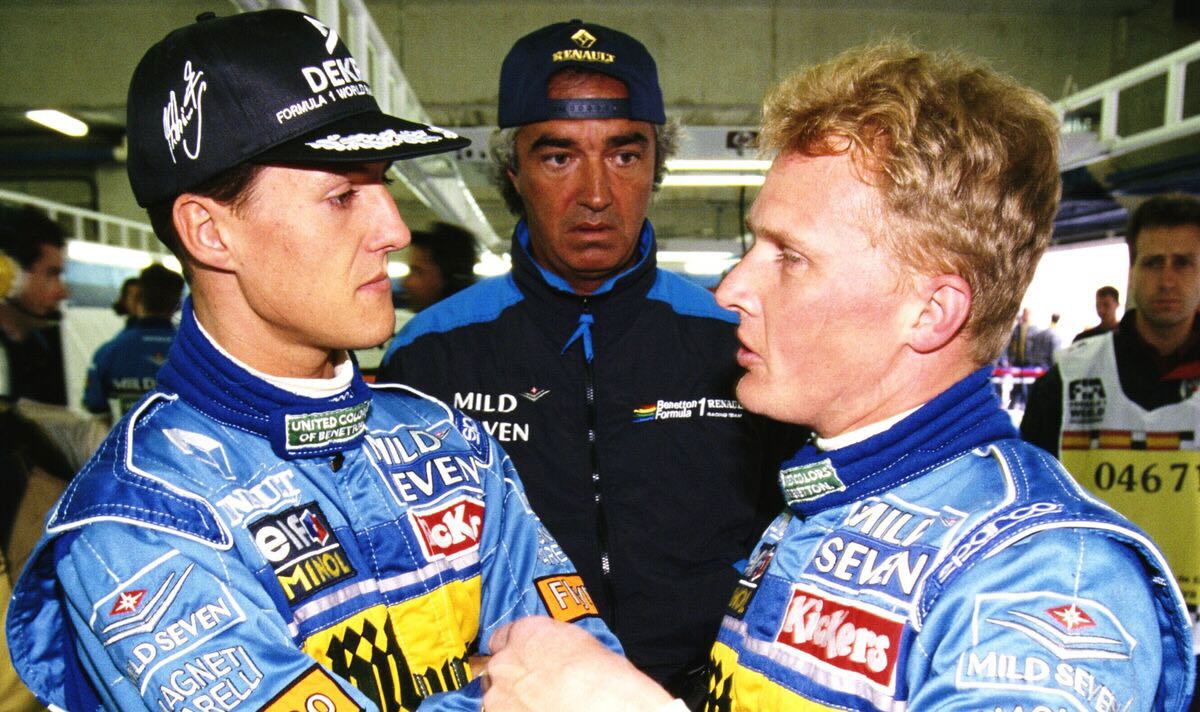
A resurfaced F1 Racing Q&A revisits Johnny Herbert's claim about telemetry access inside Benetton during the 1995 season.
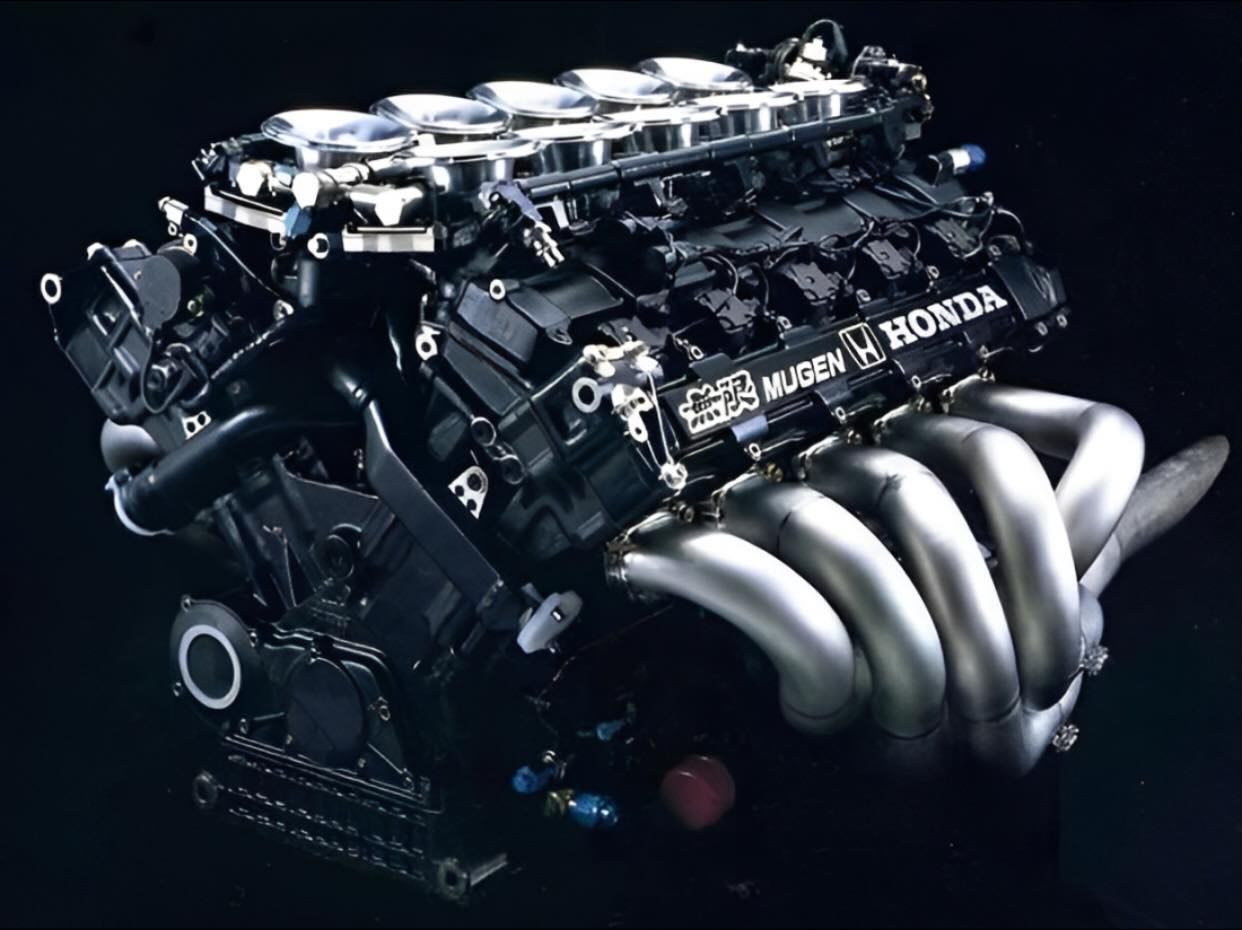
Mugen-Honda occupied one of Formula 1's strangest grey areas: not quite a works effort, not quite a customer engine, and far more effective than it looked on paper.
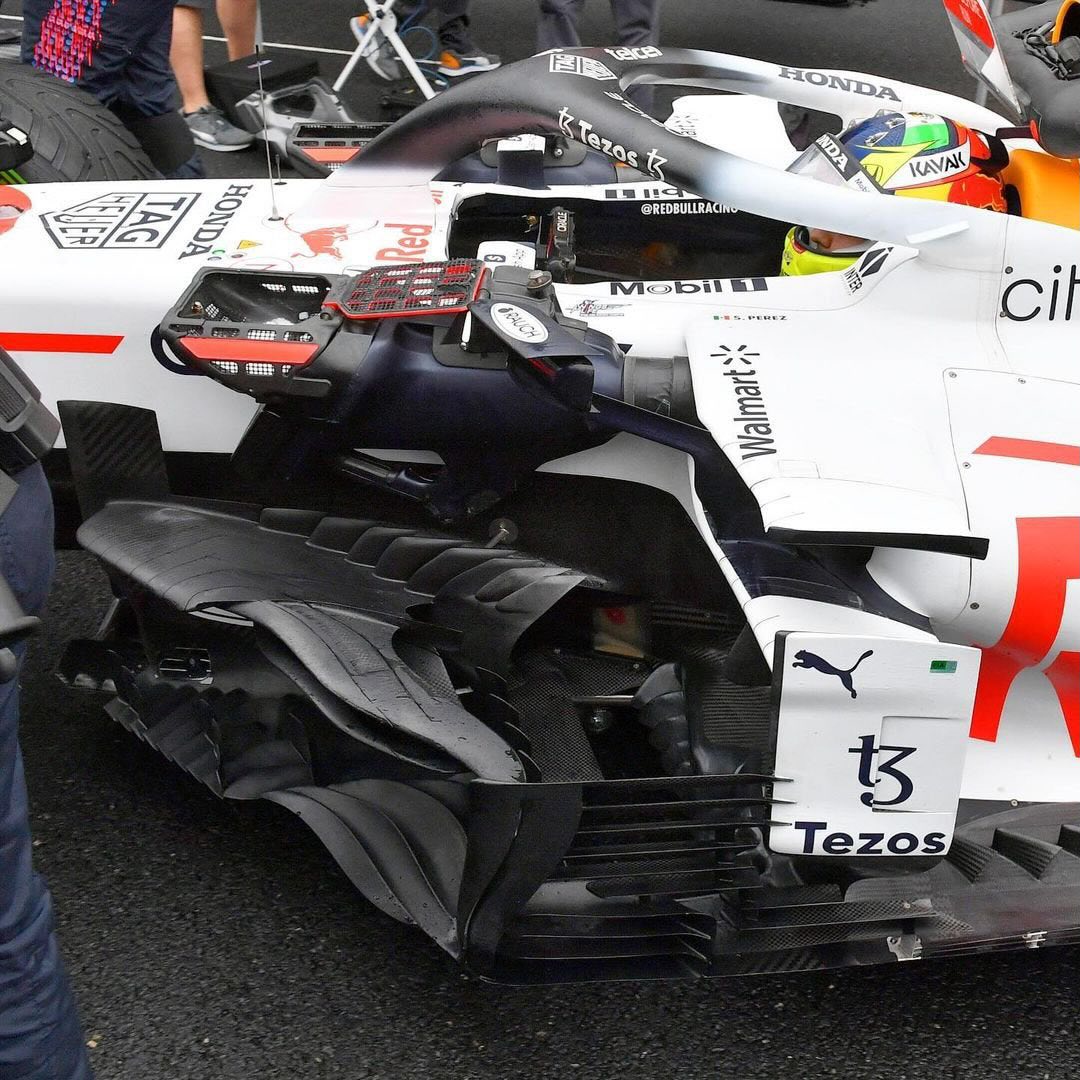
From the Lotus 97T to the complex aero forests of the late 2010s, bargeboards became one of F1’s most intensely developed airflow tools.
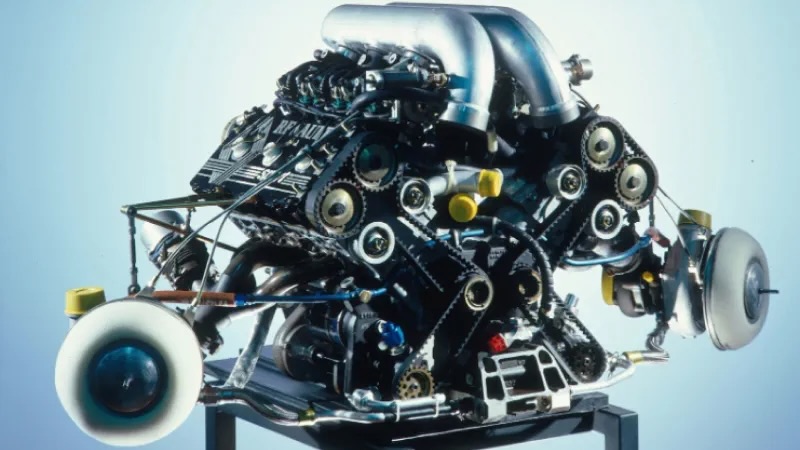
Renault's EF-type V6 took Formula 1 from scepticism to turbo domination, changing the sport's engineering direction for a generation.
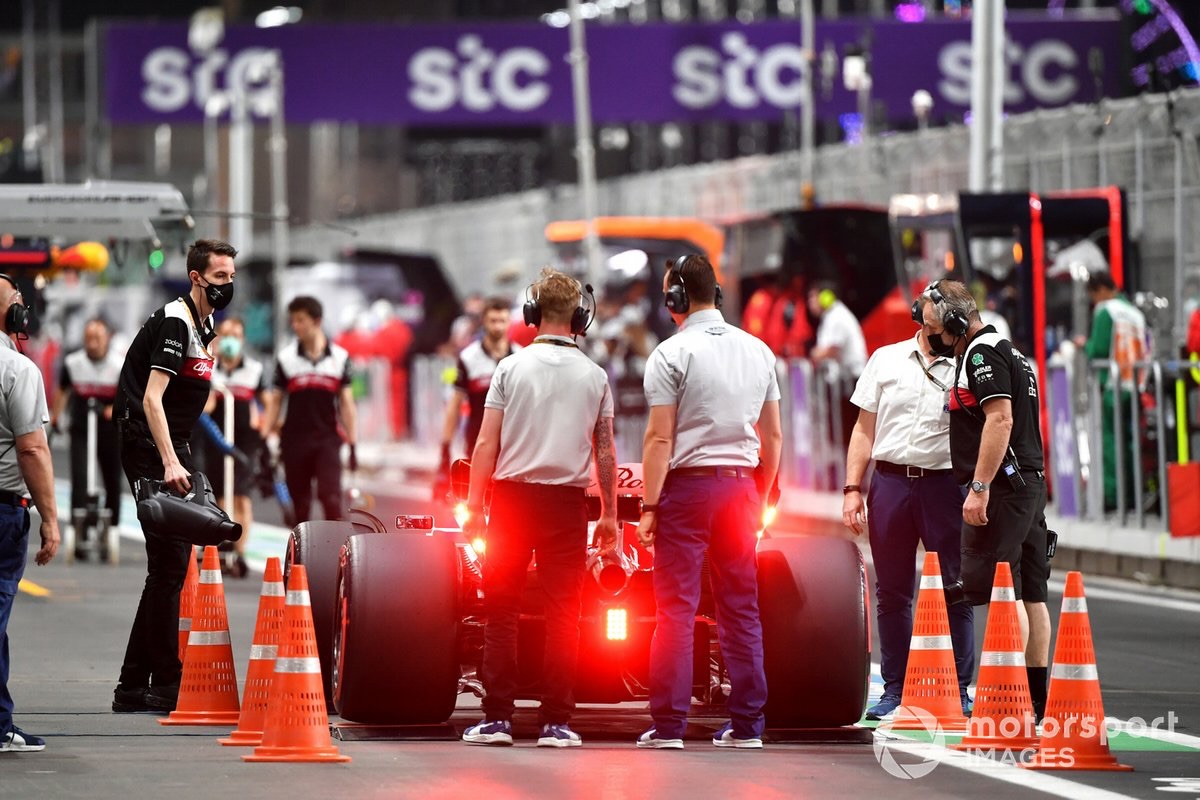
Formula 1 weight rules are about safety, cost control, performance, ballast placement, and the endless engineering fight to put every gram where it matters.
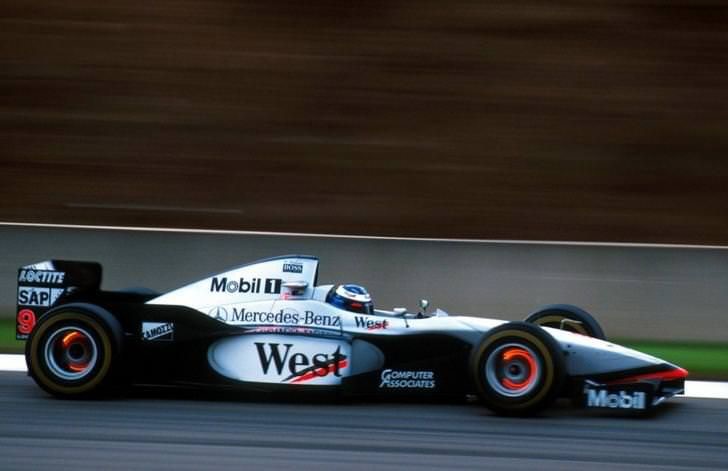
The MP4-12 marked McLaren's return path after a difficult stretch, pairing Mercedes power with brake-steer ingenuity and a new visual identity.
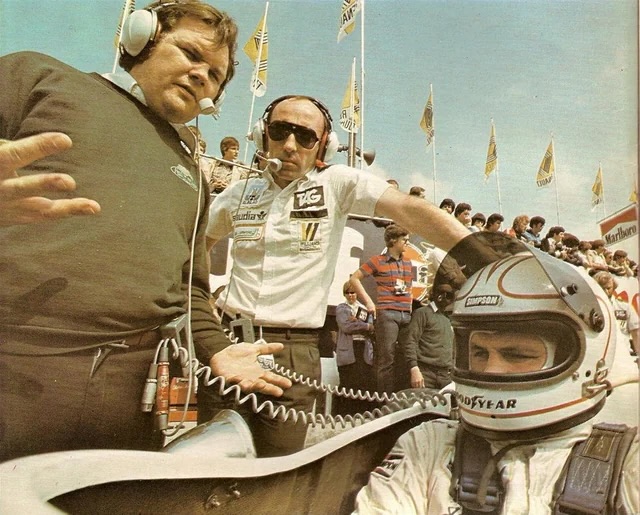
Patrick Head once described Alan Jones as exactly the kind of fighter Williams liked: combative in the car, and occasionally outside it too.
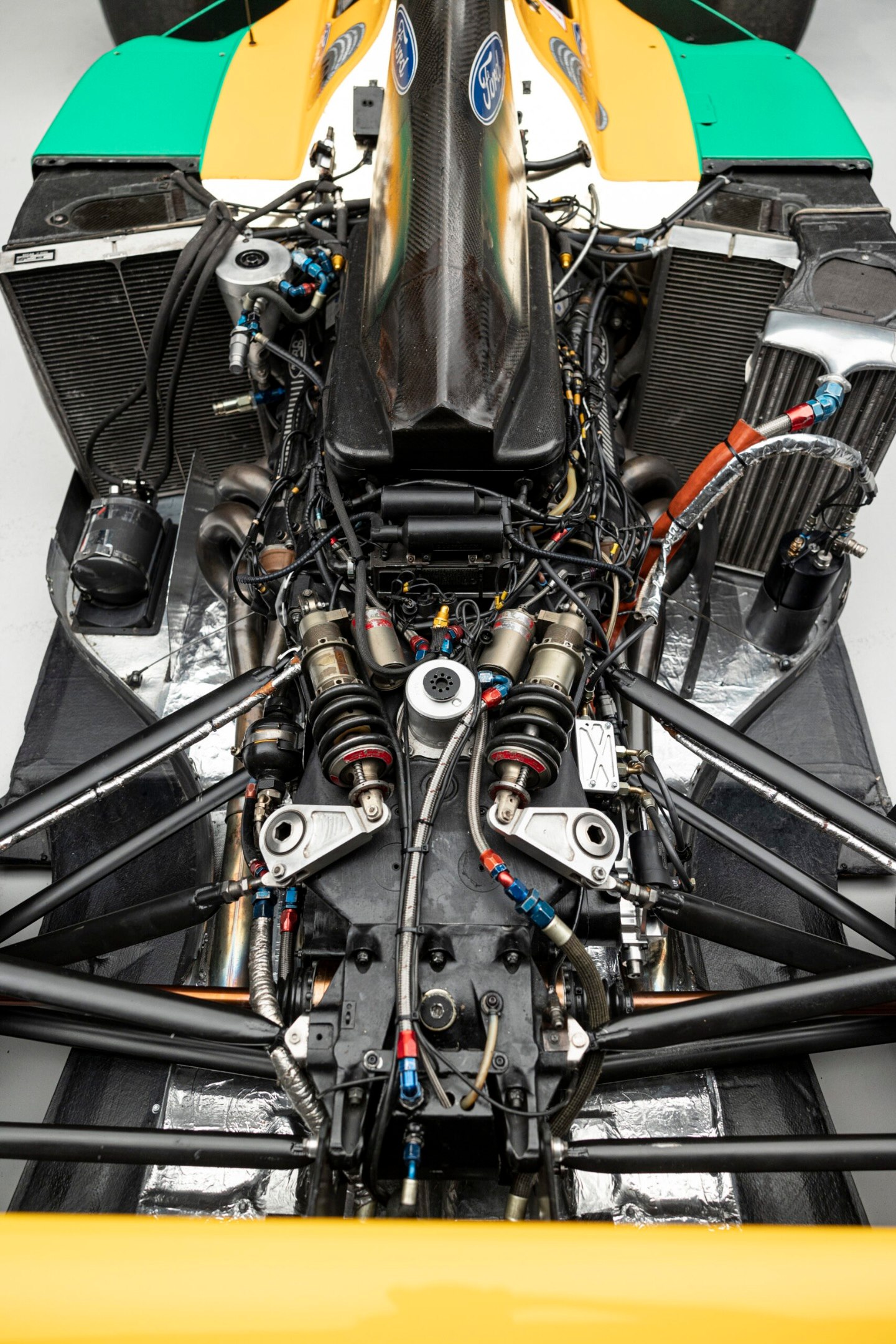
Benetton’s B193 used a lighter low-bandwidth active suspension system that blended gas springs, hydraulic actuators, sensors, and in-house control logic.
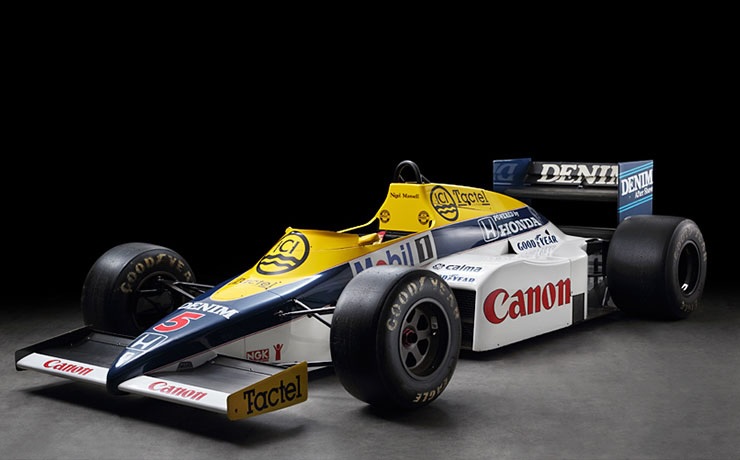
The Williams FW10 brought carbon construction, Honda turbo power, and the first clear signs of a partnership about to dominate Formula 1.
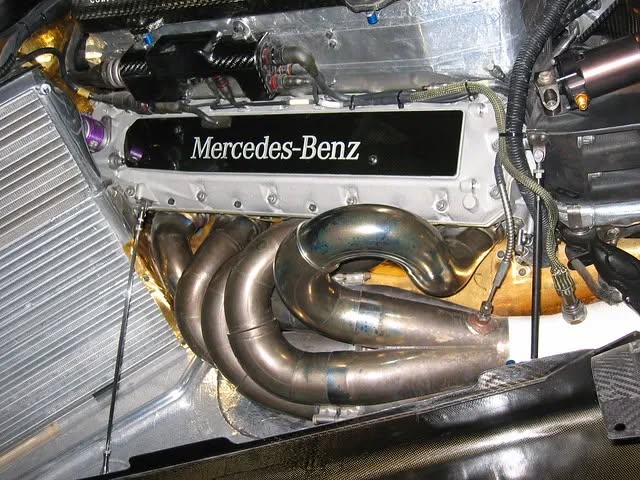
A look at why aluminum-beryllium alloy became one of Formula 1's most promising late-1990s materials, and why it was quickly banned.