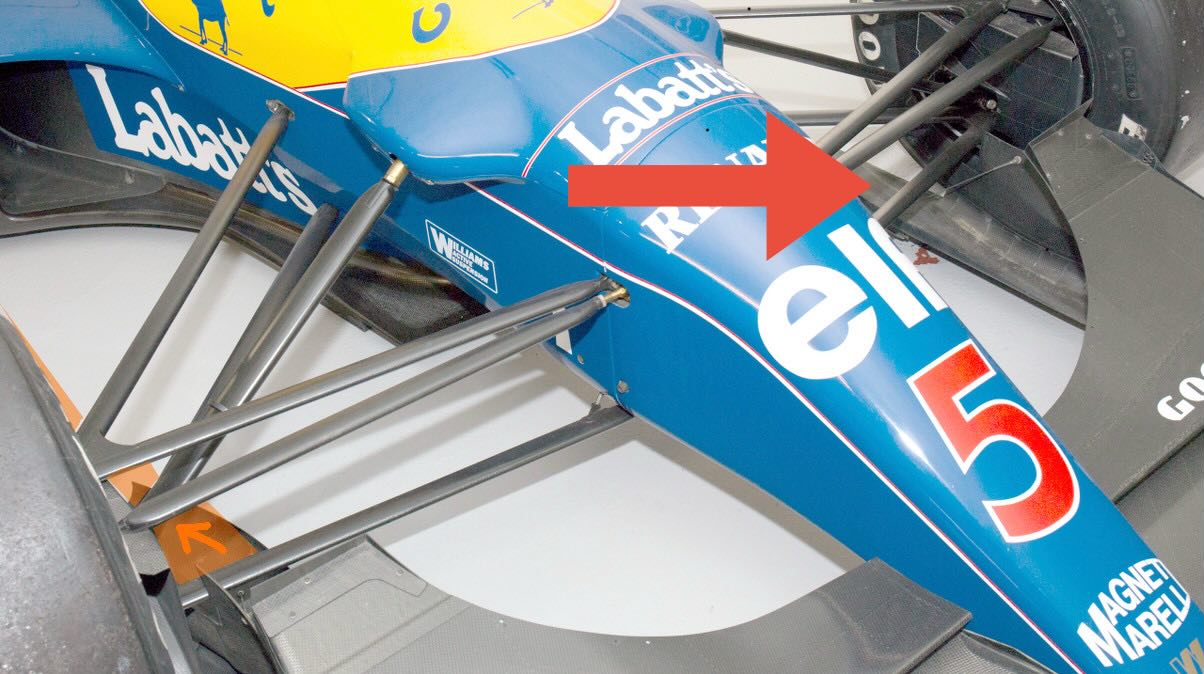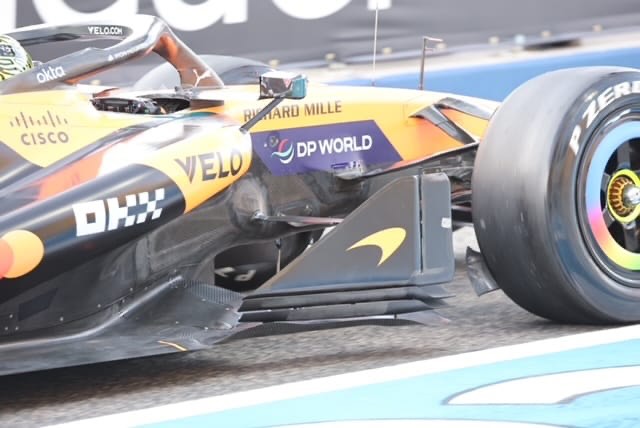
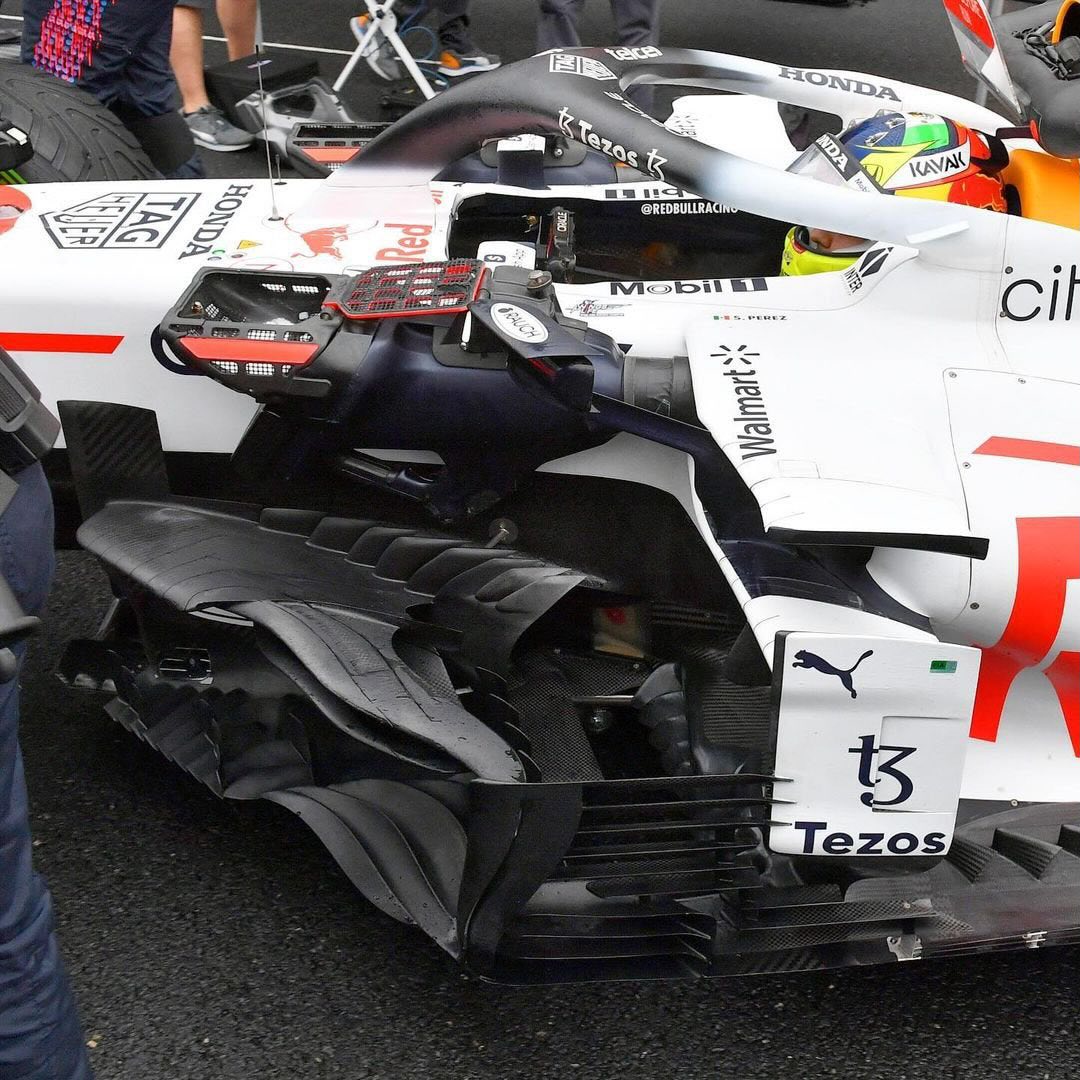
The bargeboard began modestly, first appearing on the Lotus 97T in 1985. Mounted on the front suspension, it guided airflow outward and pushed wake pockets away from the underfloor to maintain cleaner airflow. The idea did not immediately catch on, as teams extended front wing endplates rearward to achieve a similar effect.
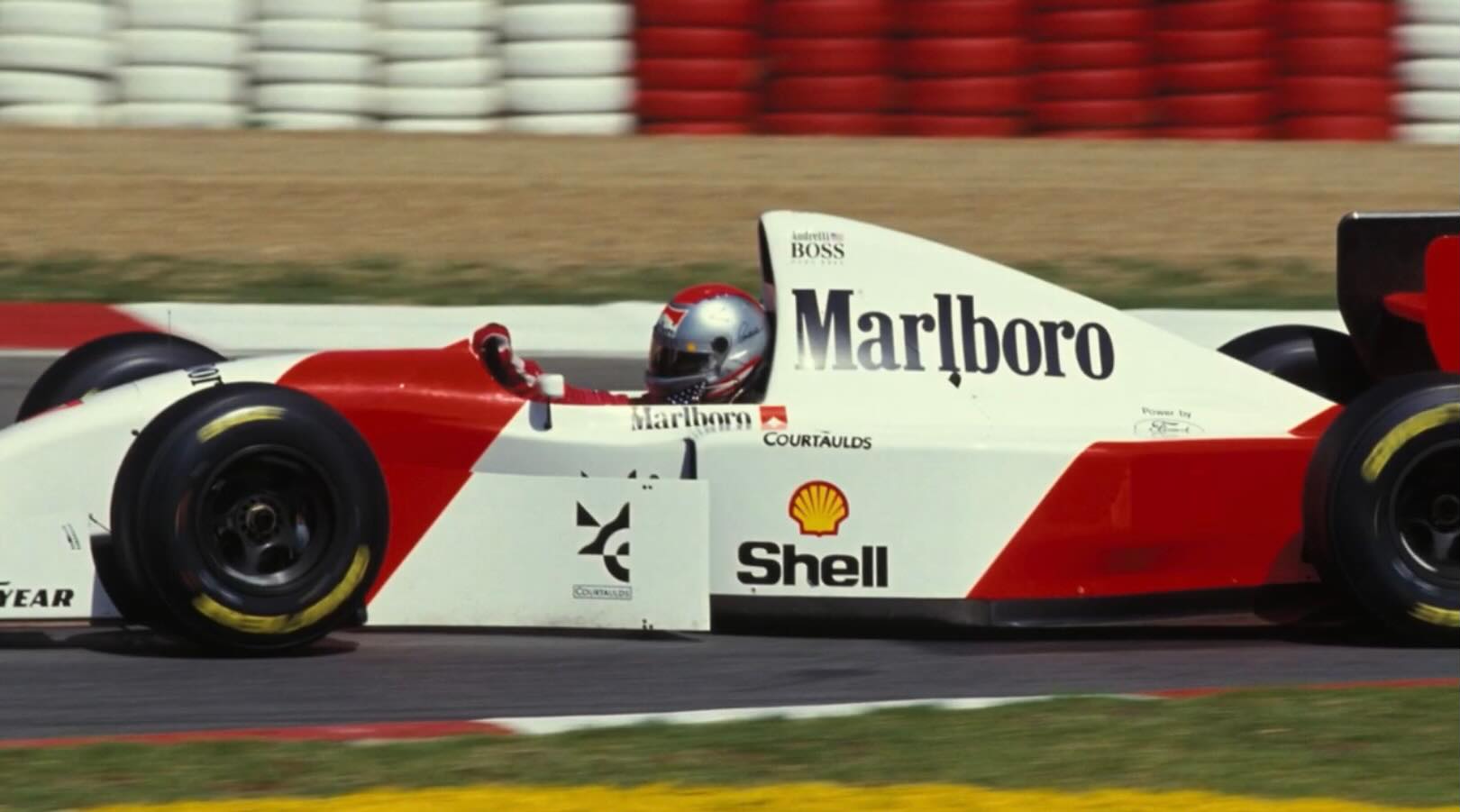
By 1993, modern bargeboards emerged. Henri Durand introduced a simple, single-piece panel on the McLaren MP4/8, mounted between the front wheels and sidepods. Its goal was to direct turbulence away from the floor and sidepod inlets.
The device was briefly omitted after its Kyalami debut, but it reappeared at Donington Park, where Benetton introduced its own version. McLaren questioned its legality, but Charlie Whiting ultimately approved the concept.
After McLaren’s 1993 introduction, other teams quickly recognized the potential of this area and began exploiting it as a key region for improving overall aerodynamic performance.
After the 1994 San Marino Grand Prix and the associated regulatory shake-up, bargeboards became more central as extended endplates were banned. Teams across the grid adopted them, including Ferrari, which developed relatively complex concepts for the time. Even so, these early designs remained fairly rudimentary, serving primarily to fine-tune airflow around the car.
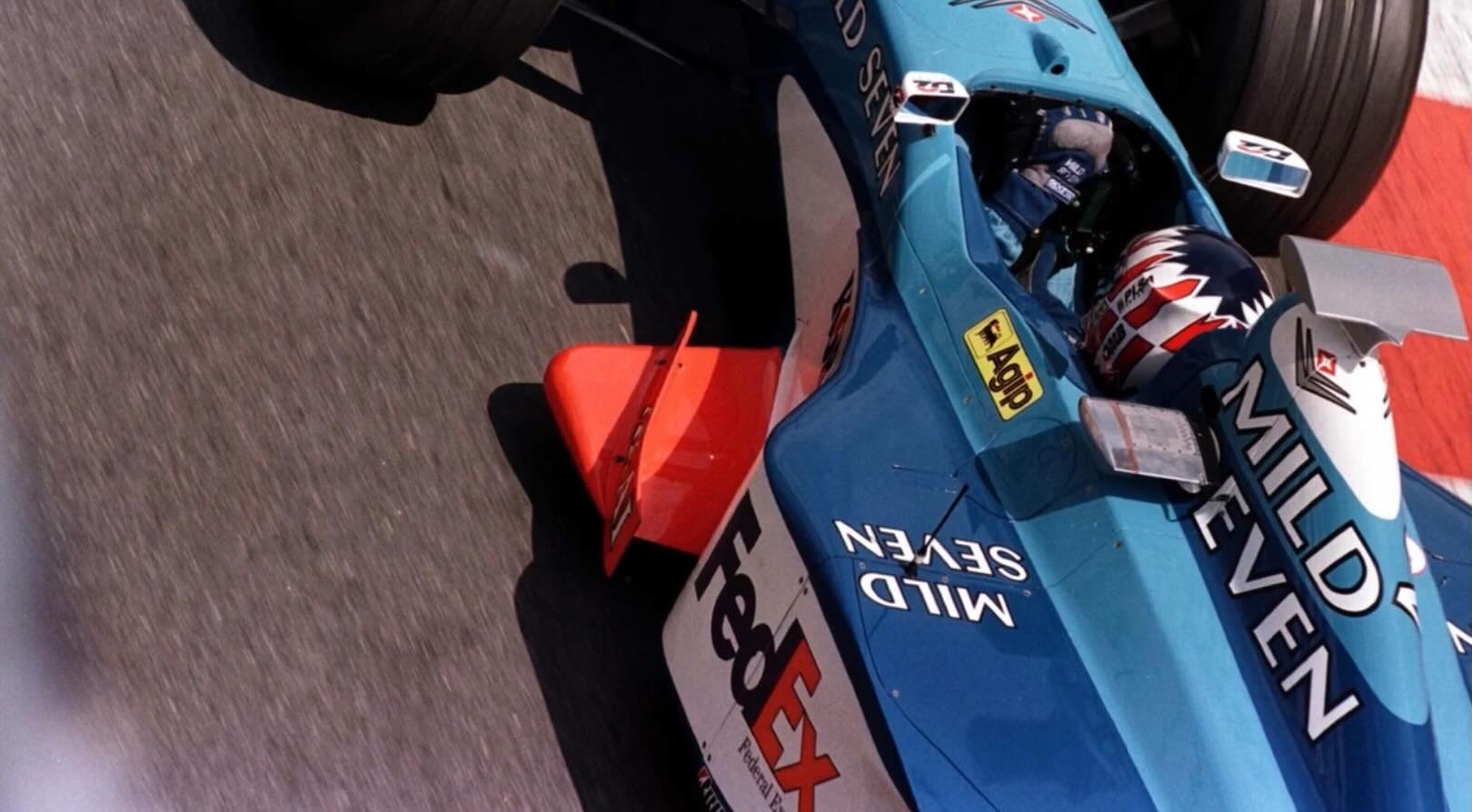
Bargeboards continued to evolve through the late 1990s. Jordan revived suspension-mounted versions to influence airflow earlier, while Benetton experimented in 1998 and 1999 by mounting bargeboards on an aerofoil.
In 1999, the bargeboard became a source of controversy. At the Malaysian Grand Prix, both Ferrari drivers were initially disqualified when post-race scrutineering found the Ferrari F399’s bargeboards did not comply with regulations. Ferrari argued it was a manufacturing defect, and the stewards’ interpretation was eventually contested. The episode highlighted how intensely this area was scrutinized.
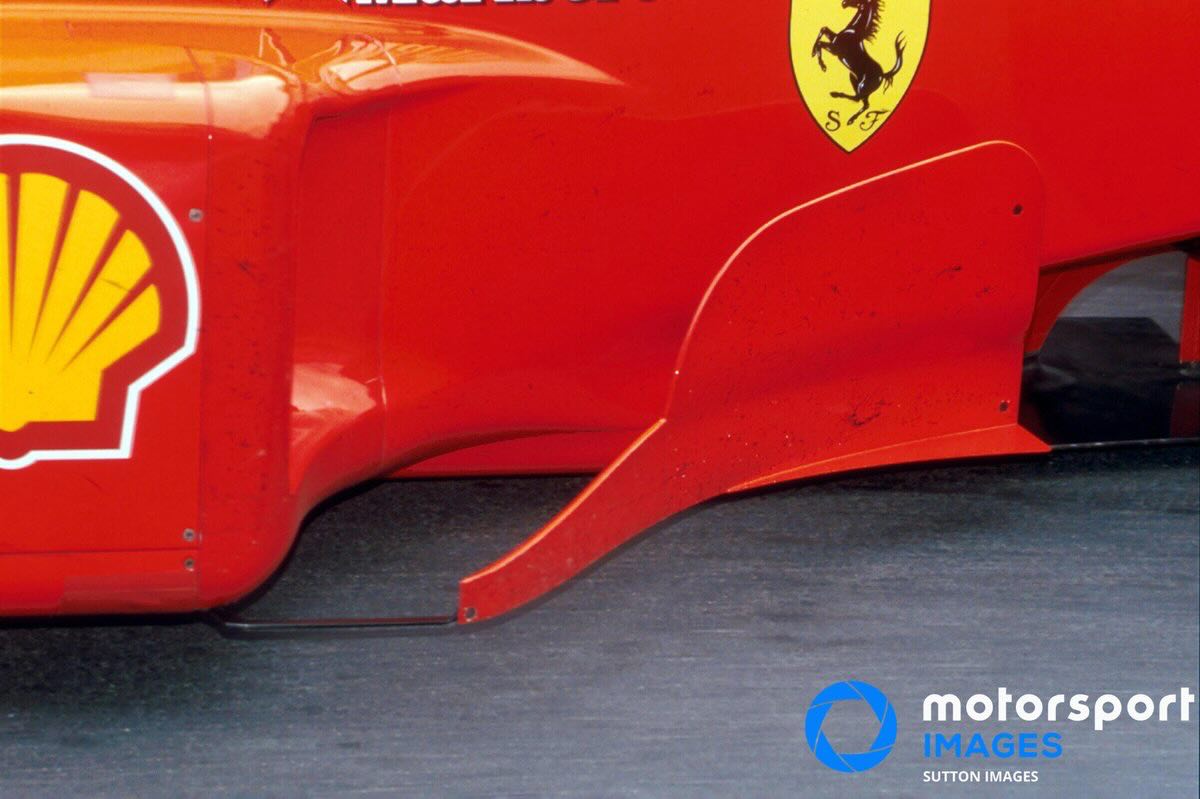
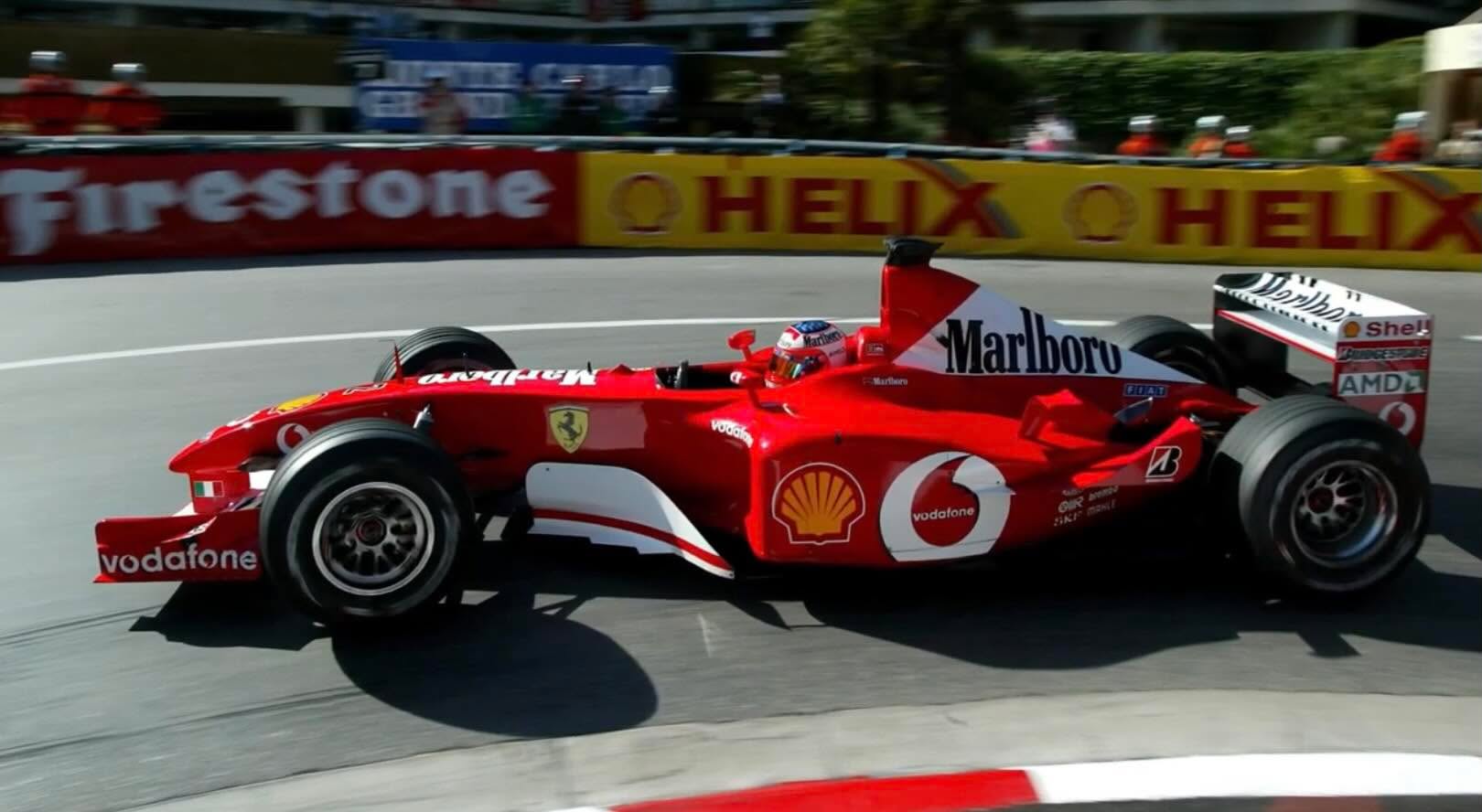
The early 2000s saw bargeboards evolve into highly sophisticated devices. Teams experimented with sidepod contours and sculpted undercuts to feed airflow efficiently. In 2002, the Ferrari F2002 added jagged plates at the bottom of its bargeboards to generate vortices and energize flow. The Ferrari F2003-GA followed in 2003 with an additional forward element ahead of the main panel, while the Jordan EJ14 of 2004 mounted elements to the front of the sidepods as aero systems became increasingly integrated.
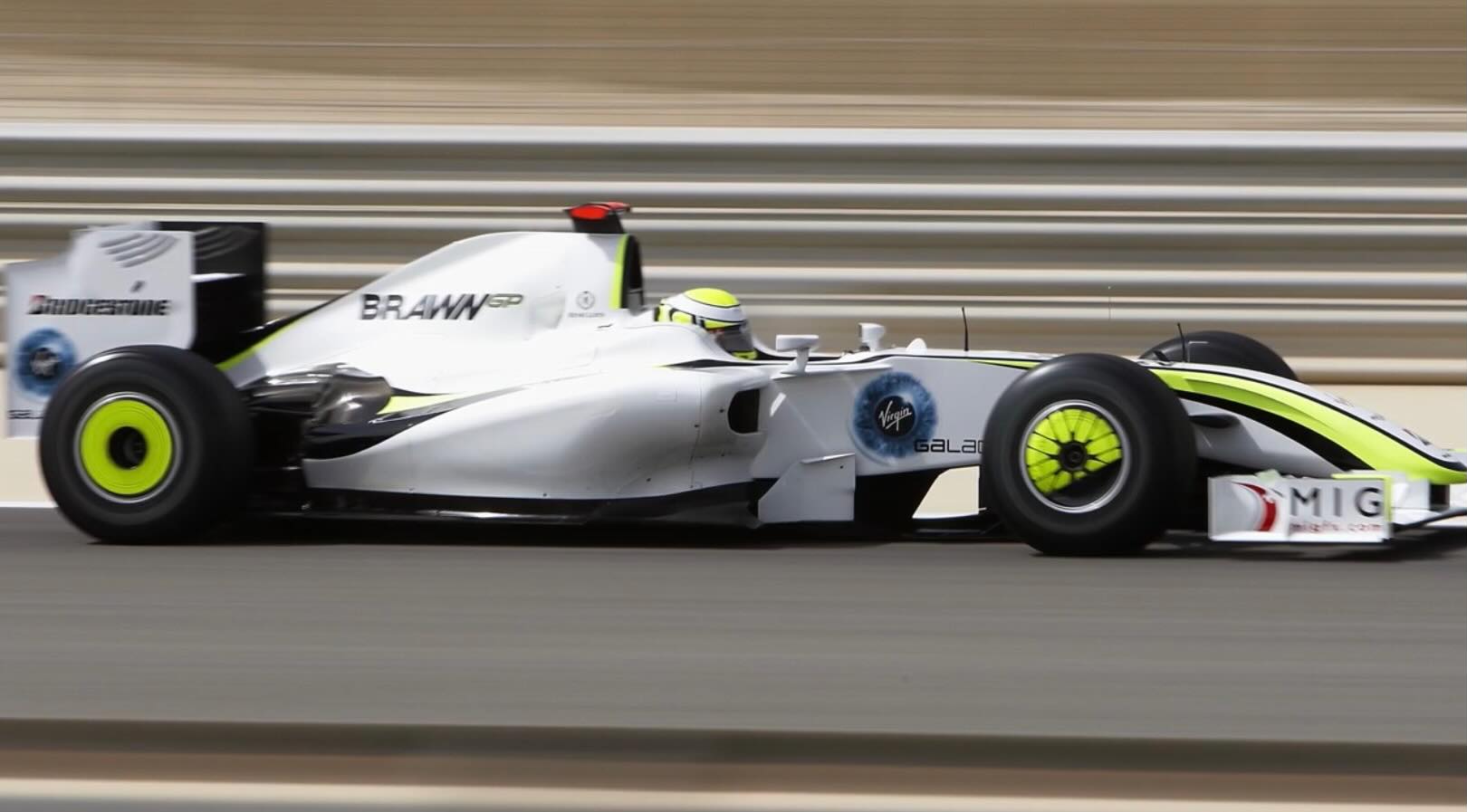
Bargeboards sprouted fins, vanes, and interconnected surfaces to guide airflow. The 2009 regulation overhaul drastically reduced their size to lower downforce and promote closer racing. Teams adapted with ingenious workarounds: small turning vanes were placed in allowed box areas, and sideview mirror mounts were repurposed as vertical vanes to channel turbulent front-wheel airflow along the sidepods and floor.
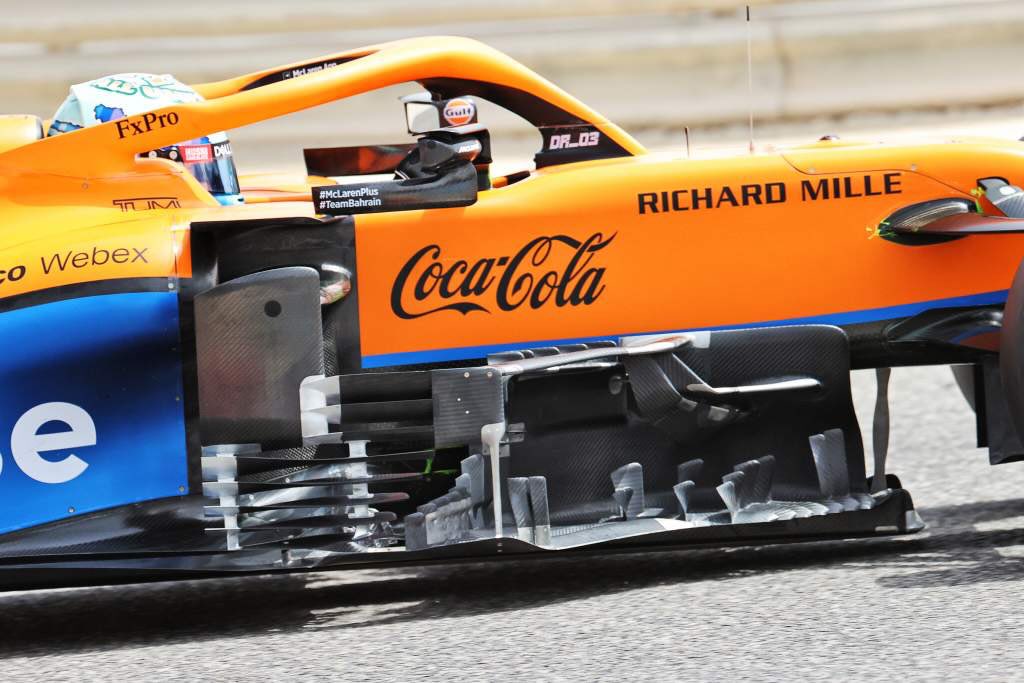
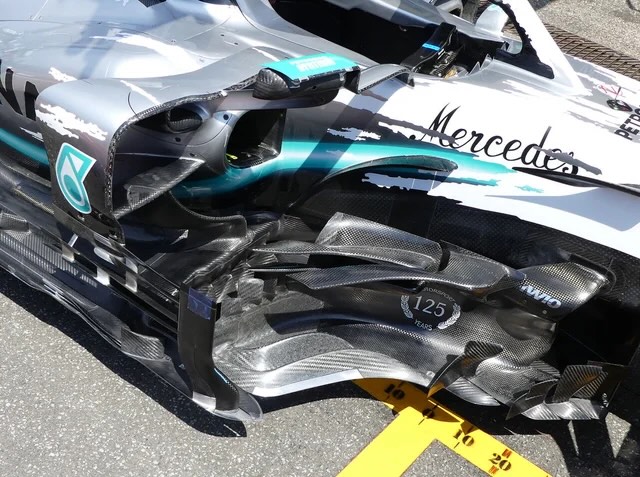
As F1 entered the hybrid era in 2014, the regulations changed again. Aerodynamic tweaks and the removal of elements like blown diffusers reduced overall downforce, while heavier power units made cars slower over a lap. To regain lost performance, the FIA introduced new rules for 2017, opening the bargeboard area again in much larger and more complex form.
Teams exploited every millimeter within the new box region, connecting bargeboards with floor elements, sidepod deflectors, and turning vanes. Slots, layered panels, and vortex generators became common, allowing intricate airflow management while remaining legal.
In 2022, F1 removed traditional bargeboards as part of simplified ground-effect regulations aimed at closer racing. For 2026, Formula 1 reintroduces simplified in-washing deflectors, often likened to bargeboards, positioned behind the front wheels. Unlike their predecessors, which pushed turbulent airflow outward, these elements are designed to direct wheel wake inboard, reducing outwash and limiting disruption to following cars.