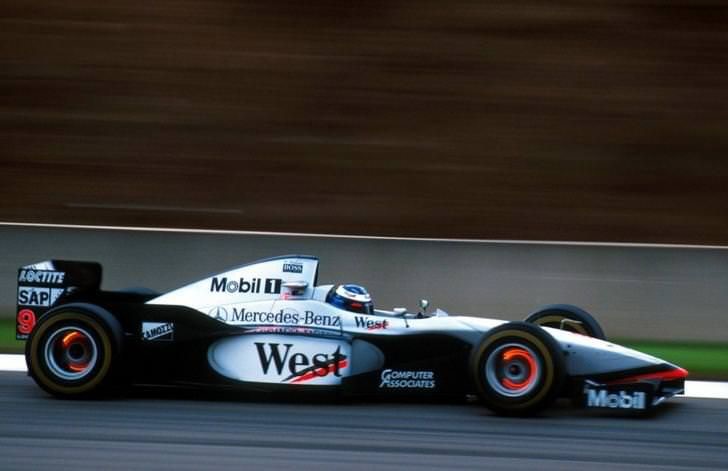
The dry patch stretched across three full seasons and 49 races. At the time, it seemed almost unimaginable that McLaren could fall so far.
The loss of Honda at the end of 1992 set the slide in motion, despite Senna's valiant 1993 campaign with customer Ford power. A brief, ill-fated partnership with Peugeot followed before Ron Dennis secured a deal with Mercedes, a move that proved to be the catalyst for McLaren's revival, beginning with the MP4-12.
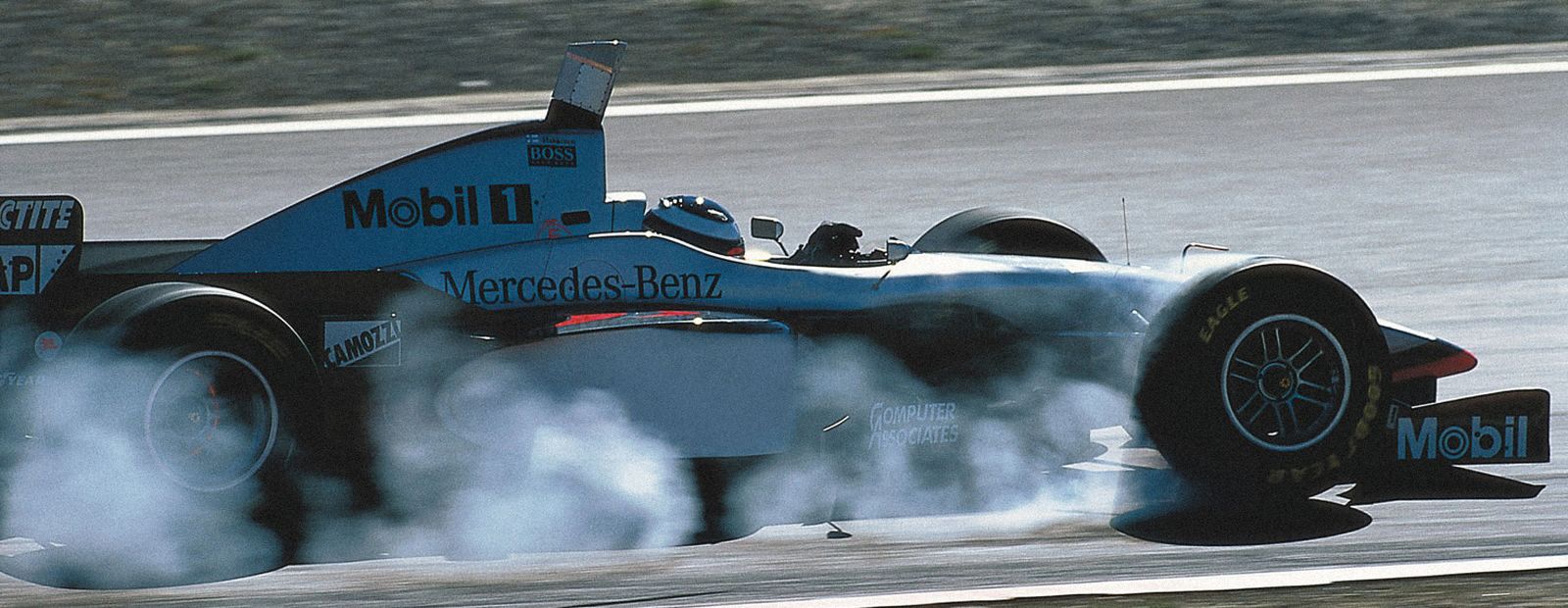
Designed by Neil Oatley, the car combined a carbon fiber and aluminium honeycomb chassis with double-wishbone pushrod suspension front and rear. It was powered by Mercedes' FO 110E and FO 110F 3.0L V10, making around 740 hp at 16,000 rpm.
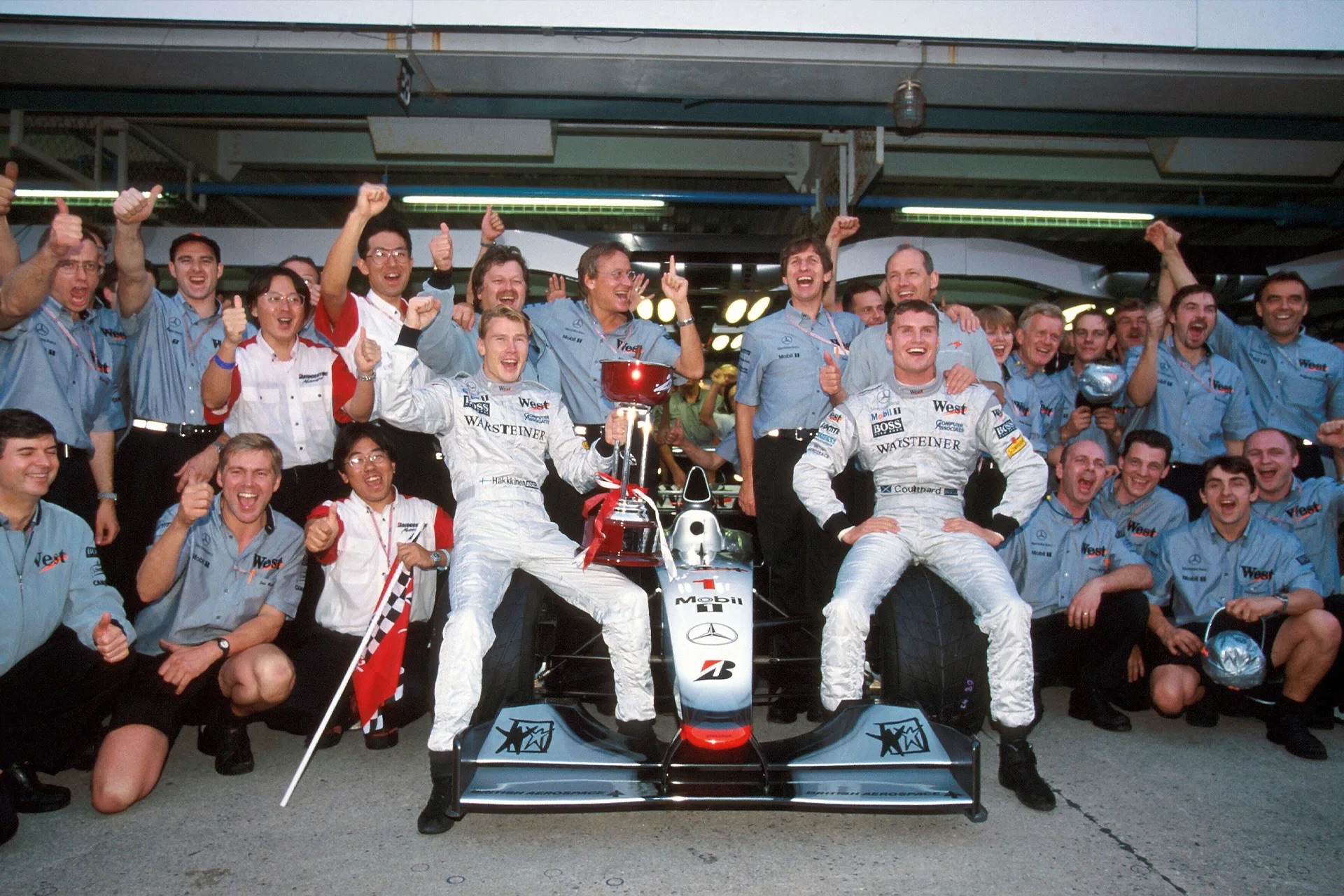
The MP4-12 ran on Goodyear tires and used a six-speed longitudinal semi-automatic gearbox. Yet the car was more than its raw specifications. Its most ingenious feature, credited to Steve Nichols, was the brake-steer system, which gave Mika Hakkinen and David Coulthard a decisive edge in the 600 kg car.
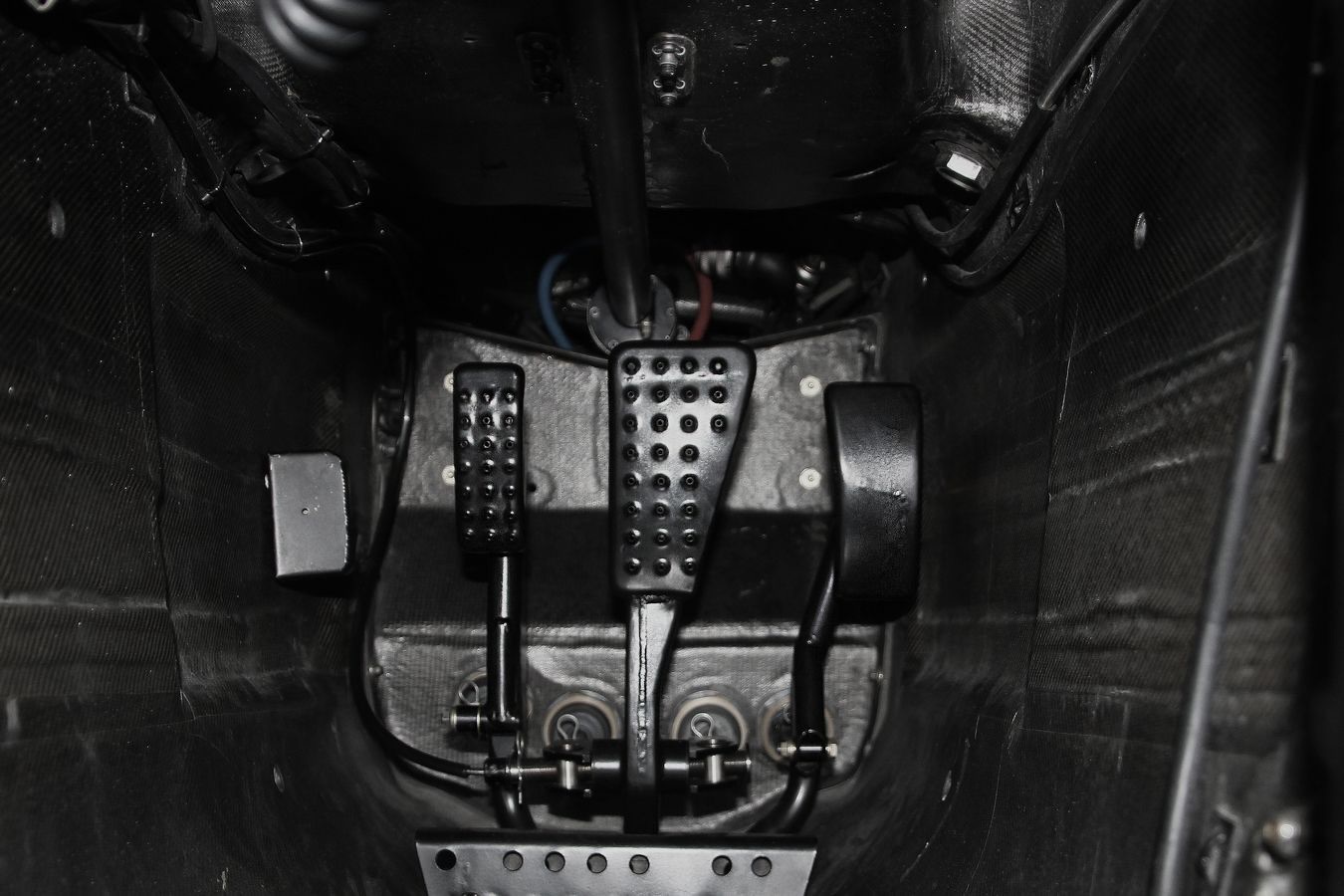
Using an extra brake pedal, drivers could brake a single inside rear wheel mid-corner, sharpening rotation and improving traction. Devised over winter and race-tested in Canada, it acted as a manually operated form of stability control.
By splitting the rear brake circuit and adding a second master cylinder, McLaren could tailor the system to each corner before a race. Under normal braking, both rear wheels slowed together. Engage the extra pedal mid-corner, and only the chosen wheel was braked.
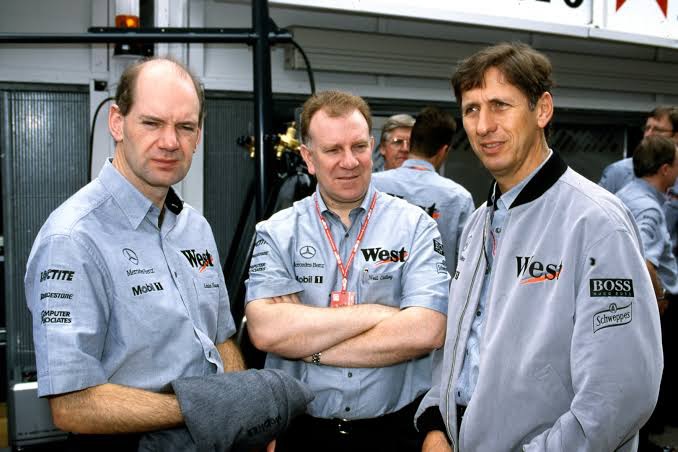
Understeer dropped, exit speed improved, and according to Adrian Newey, it was worth at least 0.3 seconds per lap. Hakkinen, a natural left-foot braker, embraced it immediately. Coulthard adapted more slowly, but both felt the benefit.
The system came to light when F1 Racing photographer Darren Heath spotted McLaren's inside rear discs glowing under acceleration and captured cockpit proof at the Nurburgring.
The MP4-12 also marked a visual shift. Silver and black replaced Dayglo and white, while the switch from Marlboro to West ended a 23-year sponsorship era.
In its 34-race career, the MP4-12 took three wins, a pole, and four other podiums for 63 points, a solid yet unrewarded effort that left McLaren fourth overall. Reliability proved costly, but the upward trend was undeniable.
The Mercedes engine was maturing, and with Newey joining and new regulations looming, a comeback was brewing. The brake-steer system carried over to the MP4-13, only to be banned for 1998 after a Ferrari-led challenge to the FIA.