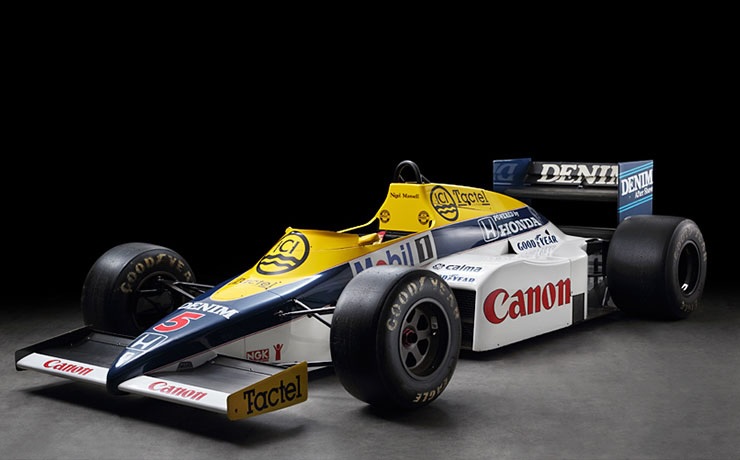
At the dawn of the 1980s, Williams was arguably F1's most technically advanced team. With the FW07, Patrick Head and Frank Dernie perfected ground-effect aerodynamics, balancing immense underbody downforce with exceptional chassis stiffness.
The result delivered Alan Jones the 1980 title and kept Williams at the sharp end through Keke Rosberg's 1982 championship in the superb FW08, the last great non-turbo car of its era.
By 1983, Williams needed a turbo engine to stay competitive. A deal with Honda followed, but the FW09 chassis exposed the limits of both partners' early turbo experience.
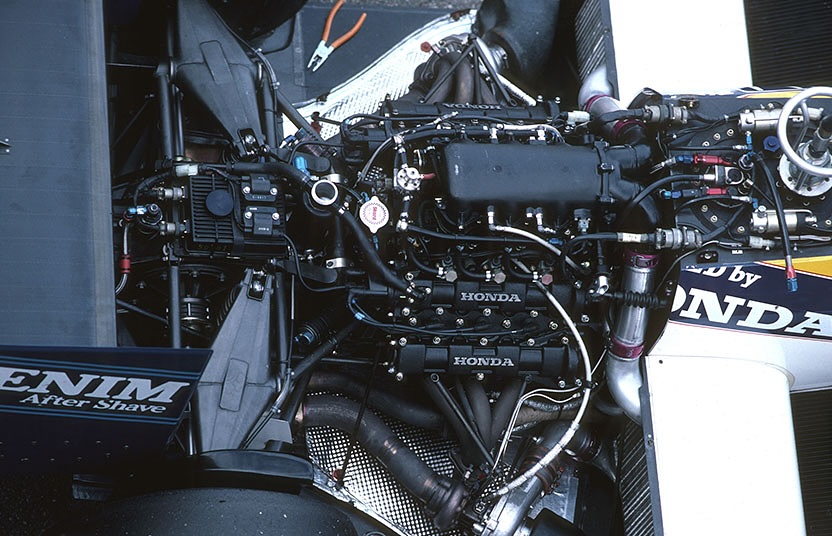
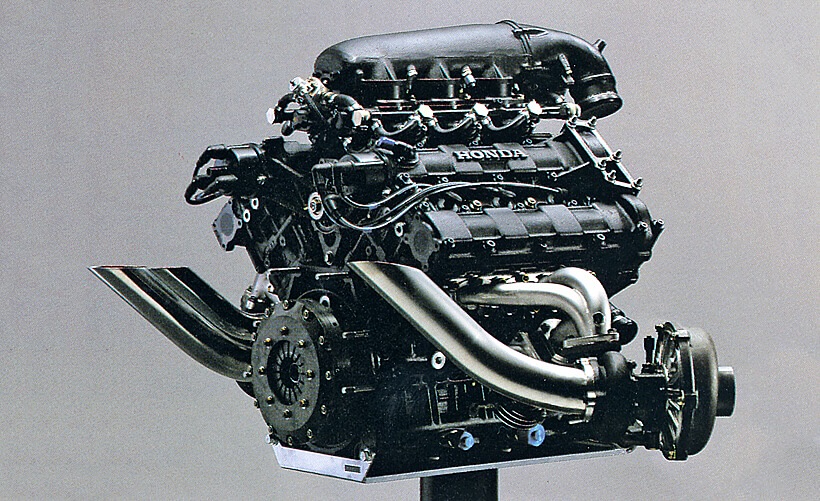
The aluminium honeycomb design was boxy and aerodynamically inefficient, while Honda's first 1.5L V6, the RA164E, delivered its 750 hp in a brutal, narrow power band between 10,300 and 11,400 rpm. The car's handling issues stemmed as much from this peaky delivery as from cooling and packaging compromises.
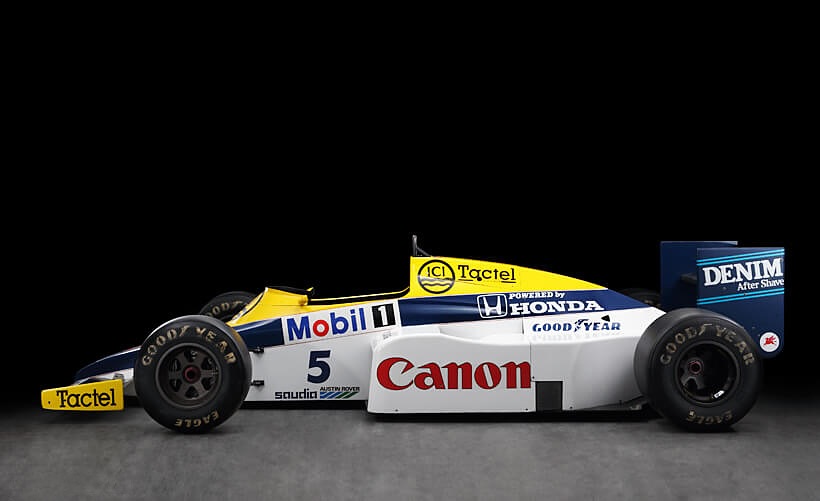
Williams and Honda stepped up in a big way for 1985. They transitioned to a full carbon-composite monocoque with the FW10, while Honda overhauled its turbo program to tackle heat rejection and throttle lag.
The RA164E, originally derived from Honda's short-stroke F2 engine, was reworked under new leadership. Yoshitoshi Sakurai and designer Katsumi Ichida developed a stiffer block and a revised 82 mm by 47.2 mm bore-stroke layout for greater durability and drivability.
Meanwhile, IHI introduced lighter, freer-spinning turbo impellers to further reduce lag. The FW10's bonded composite structure, weighing in at 545 kg, and slimmer bodywork brought the team closer to McLaren's aerodynamic sophistication.
With the new engine, Williams finally began to unlock its potential. Rosberg's win at Detroit and his record-breaking 160.94 mph Silverstone qualifying lap proved the package's raw pace, even if reliability still lagged behind McLaren's TAG-Porsche-powered MP4/2B.
Late-season updates, including pull-rod rear suspension and a Coke-bottle rear end on the FW10B, made the car more efficient and competitive.
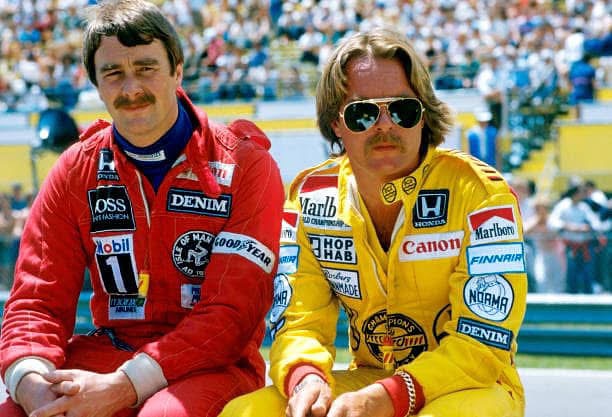
Mansell's breakthrough victories at Brands Hatch and Kyalami confirmed that Williams and Honda had found their rhythm. As 1985 closed, the partnership stood on the verge of domination. The team finished third in the Constructors' Championship, with Rosberg and Mansell taking four wins between them.