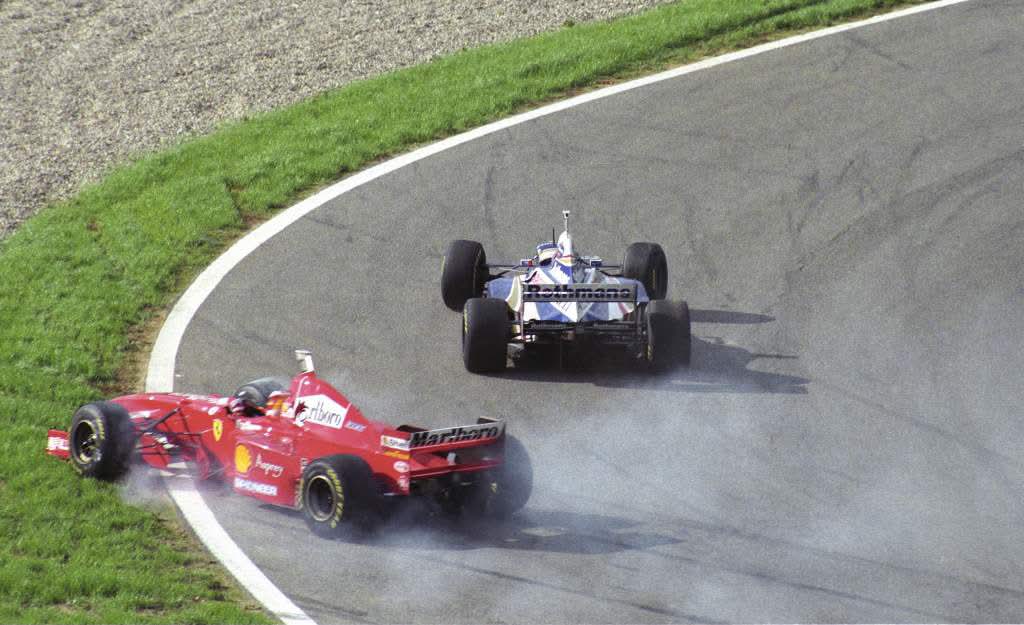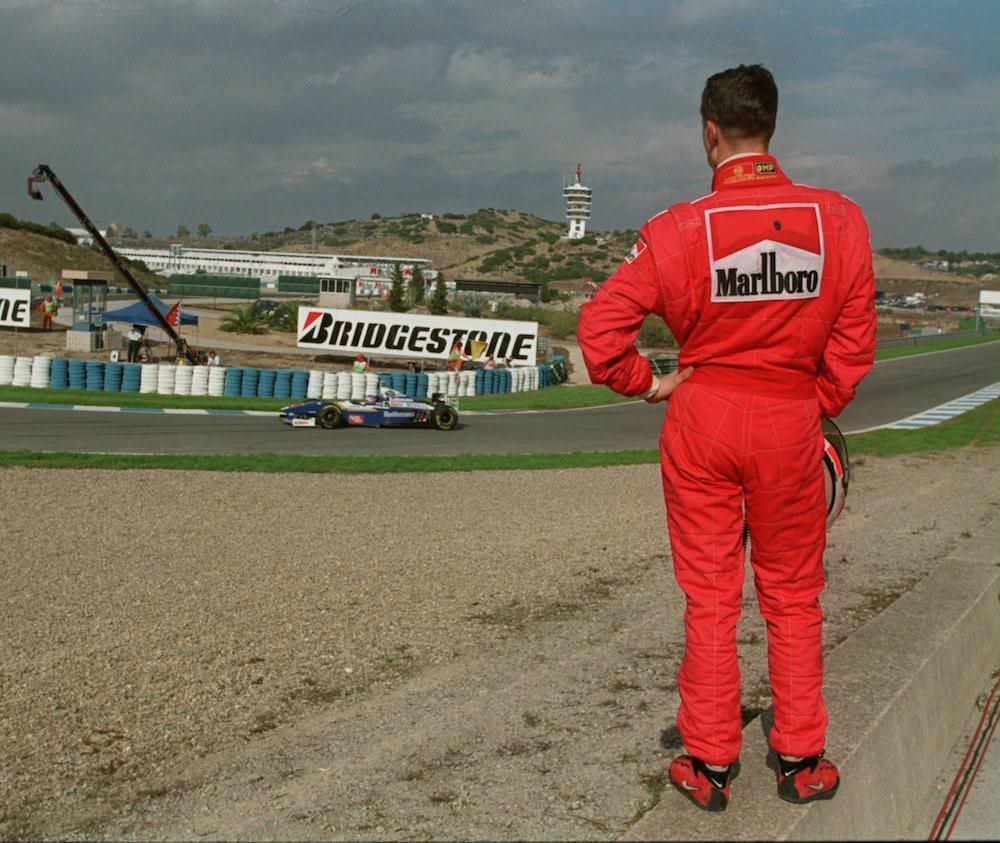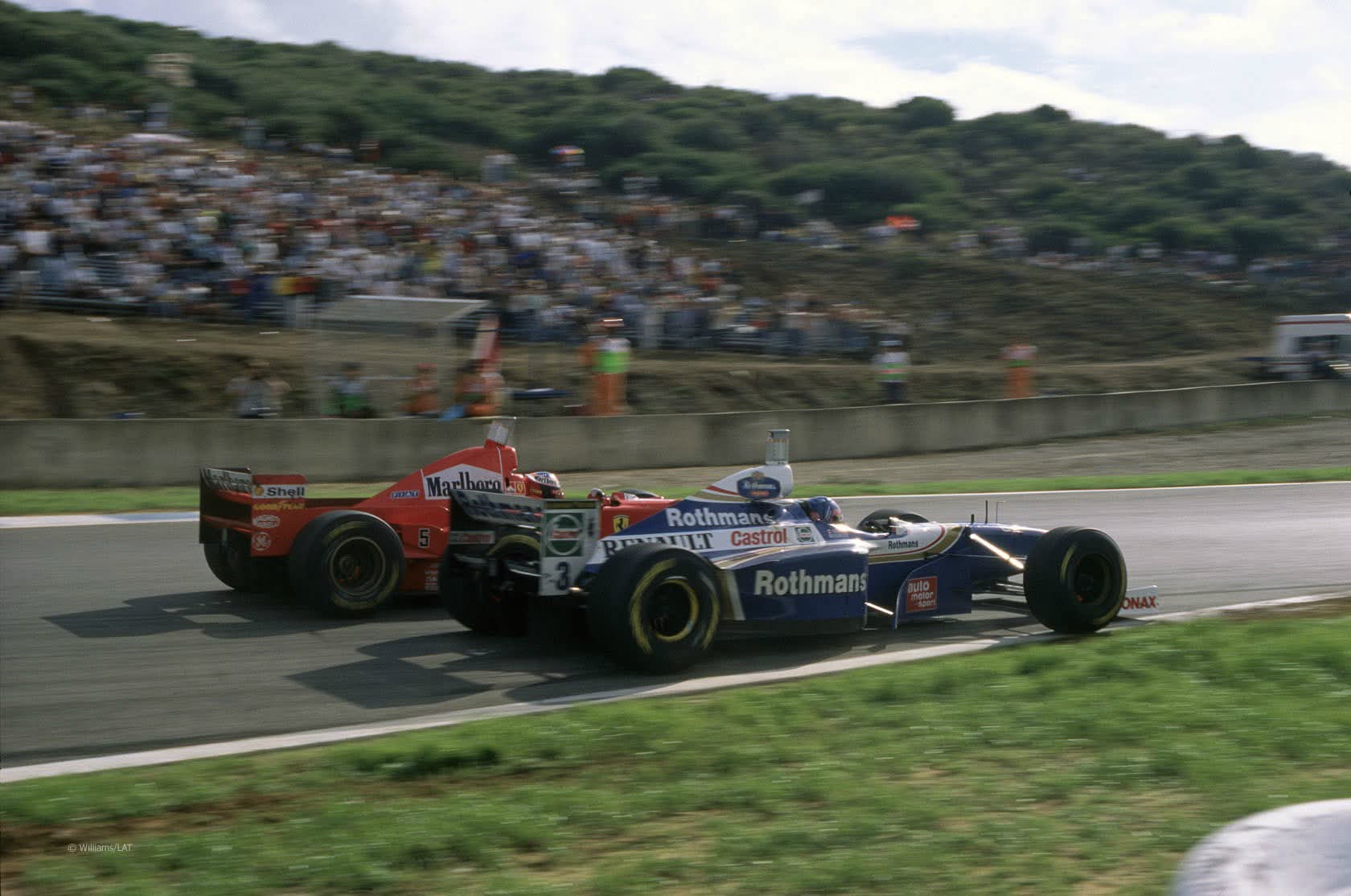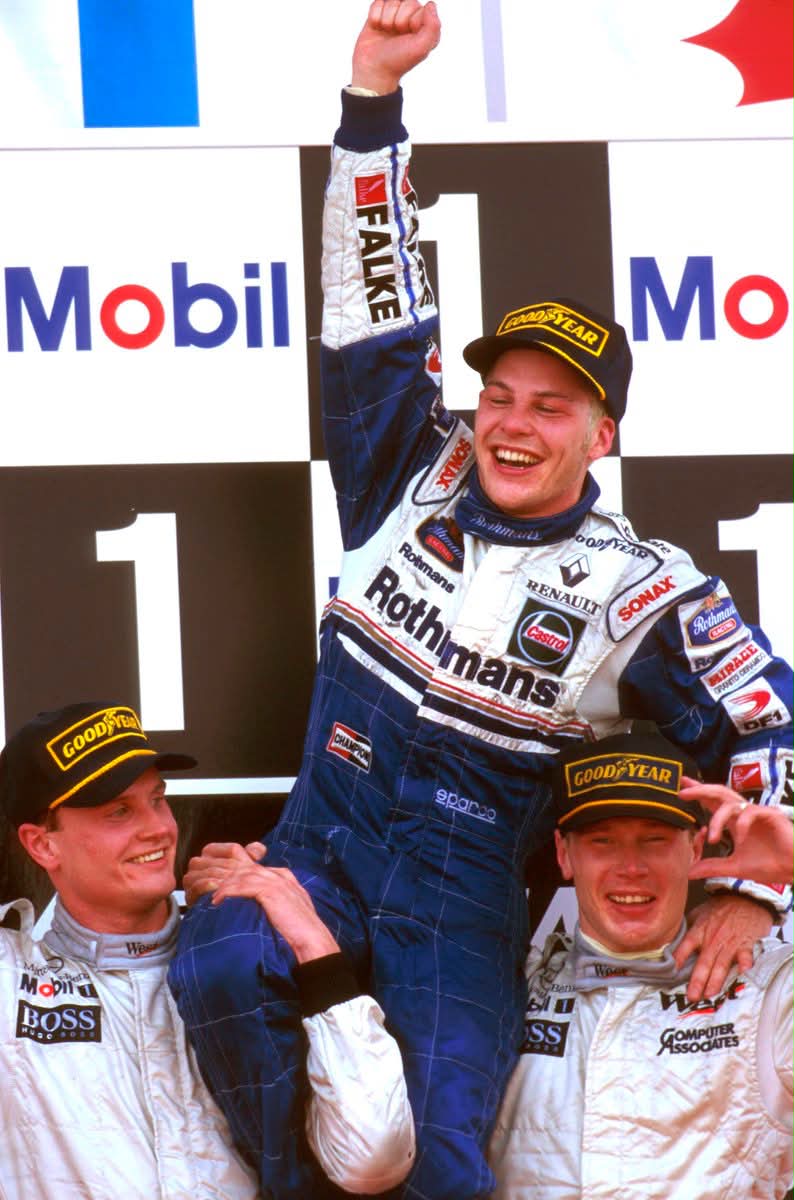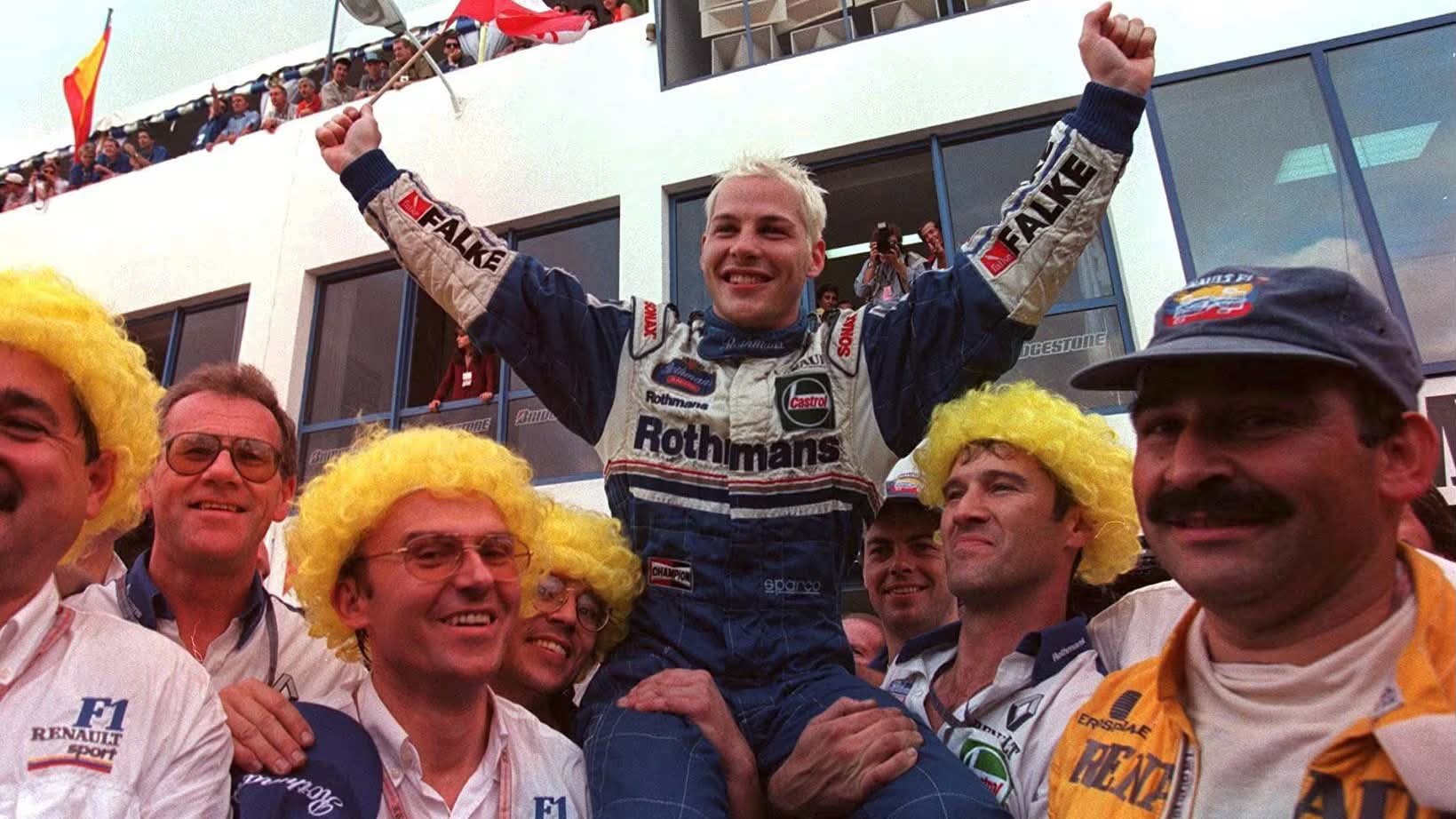
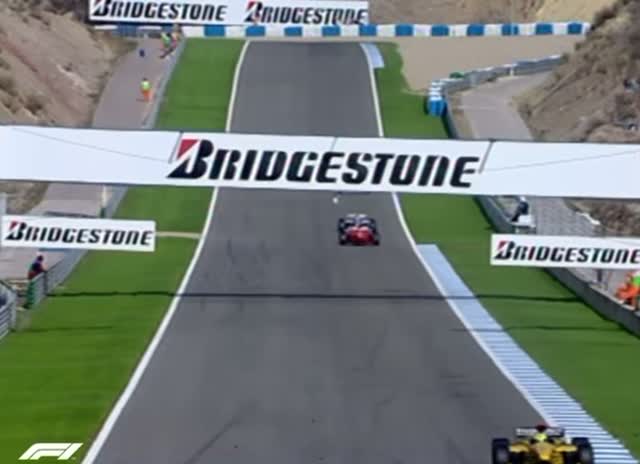
The 1997 European GP at Jerez produced one of F1's most controversial championship finales. Schumacher's collision with Villeneuve dominated the headlines, but another allegation soon emerged. Ferrari accused Williams and McLaren of agreeing to manipulate the outcome of the race.
The suspicion centered on the closing laps. Villeneuve only needed to finish in the points to secure the world championship, while McLaren's David Coulthard and Mika Hakkinen led the race. Ferrari claimed Williams had struck a deal in which McLaren would avoid interfering with Villeneuve's title fight in exchange for an uncontested race victory.
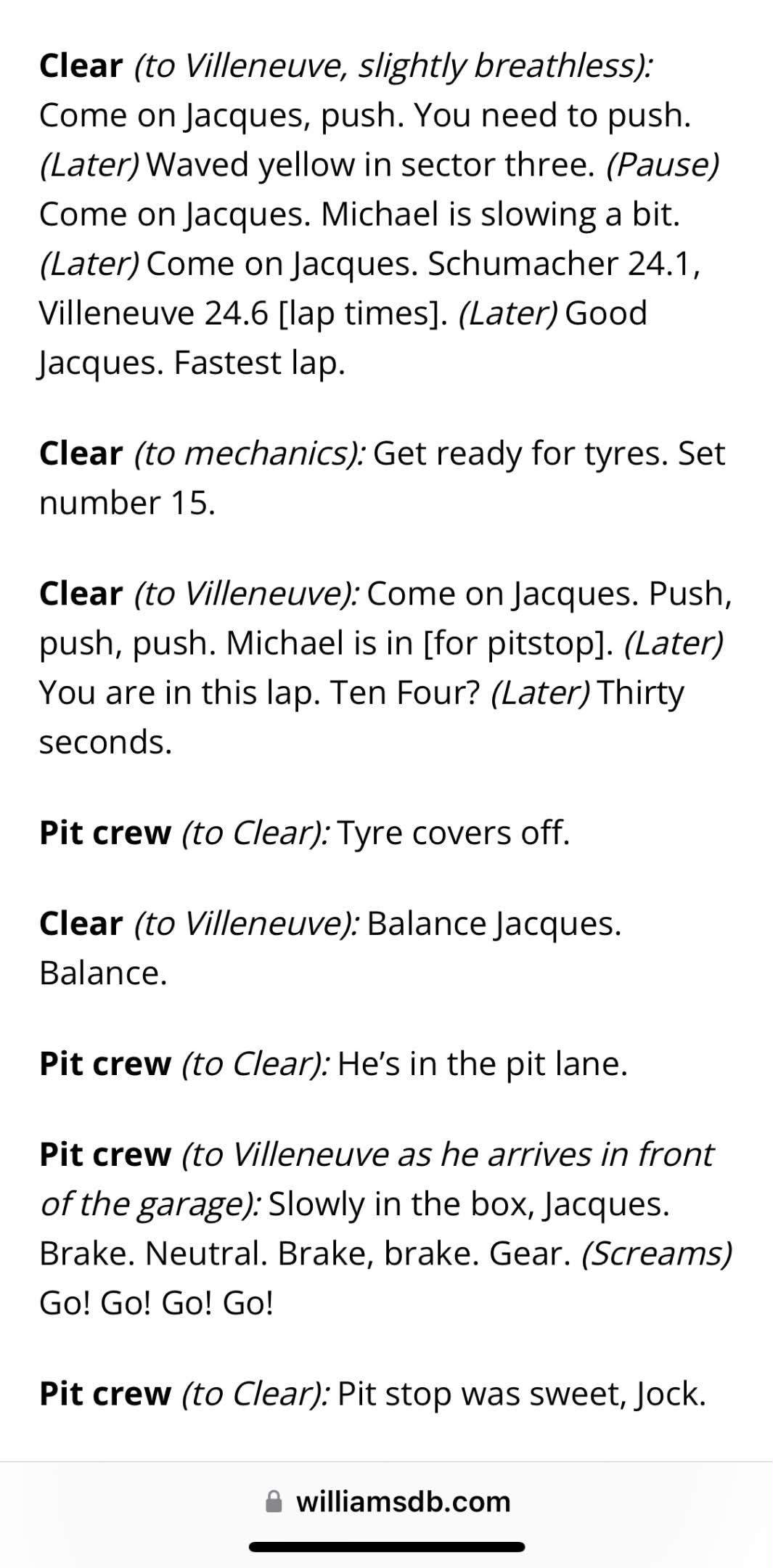
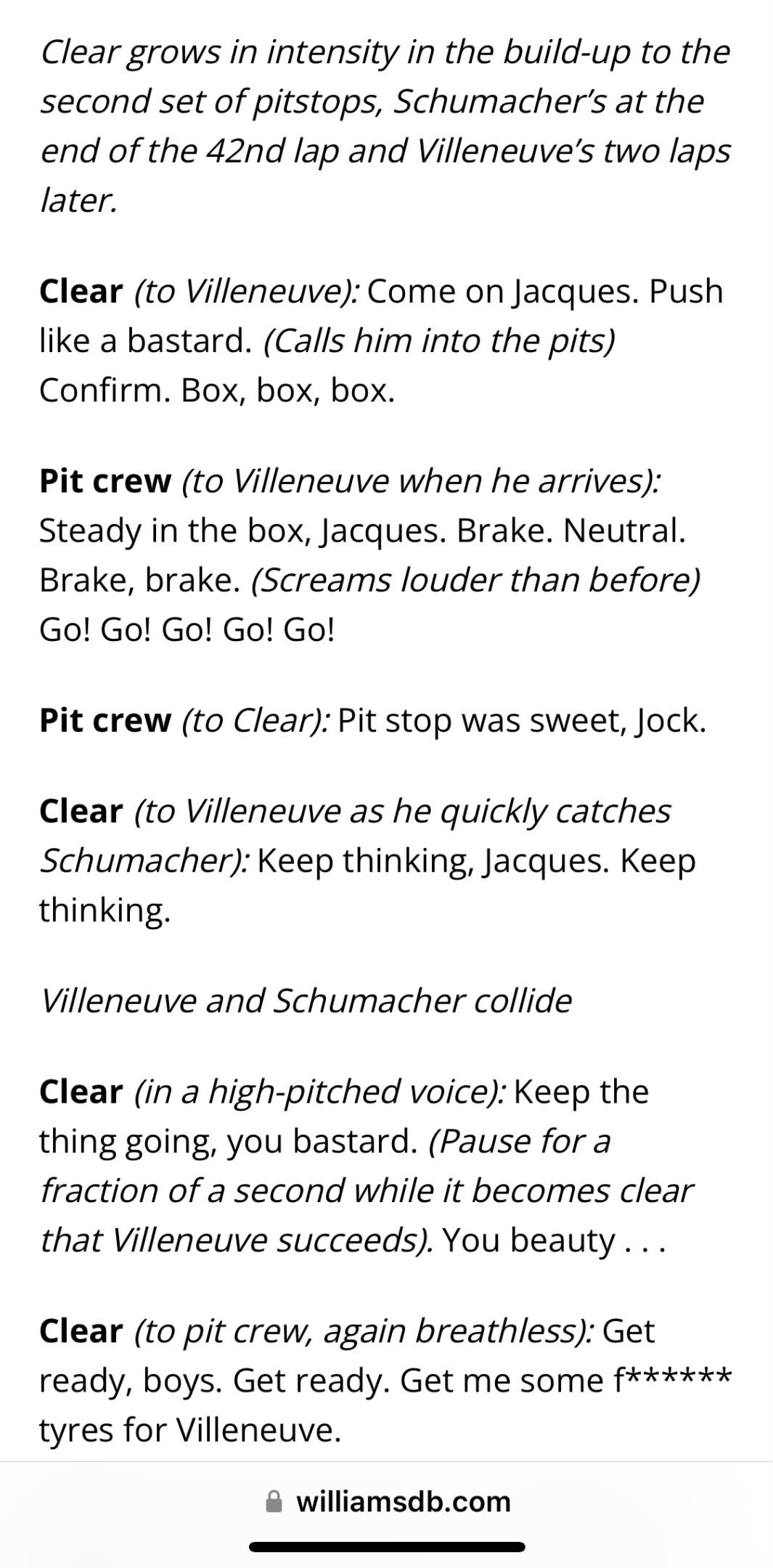
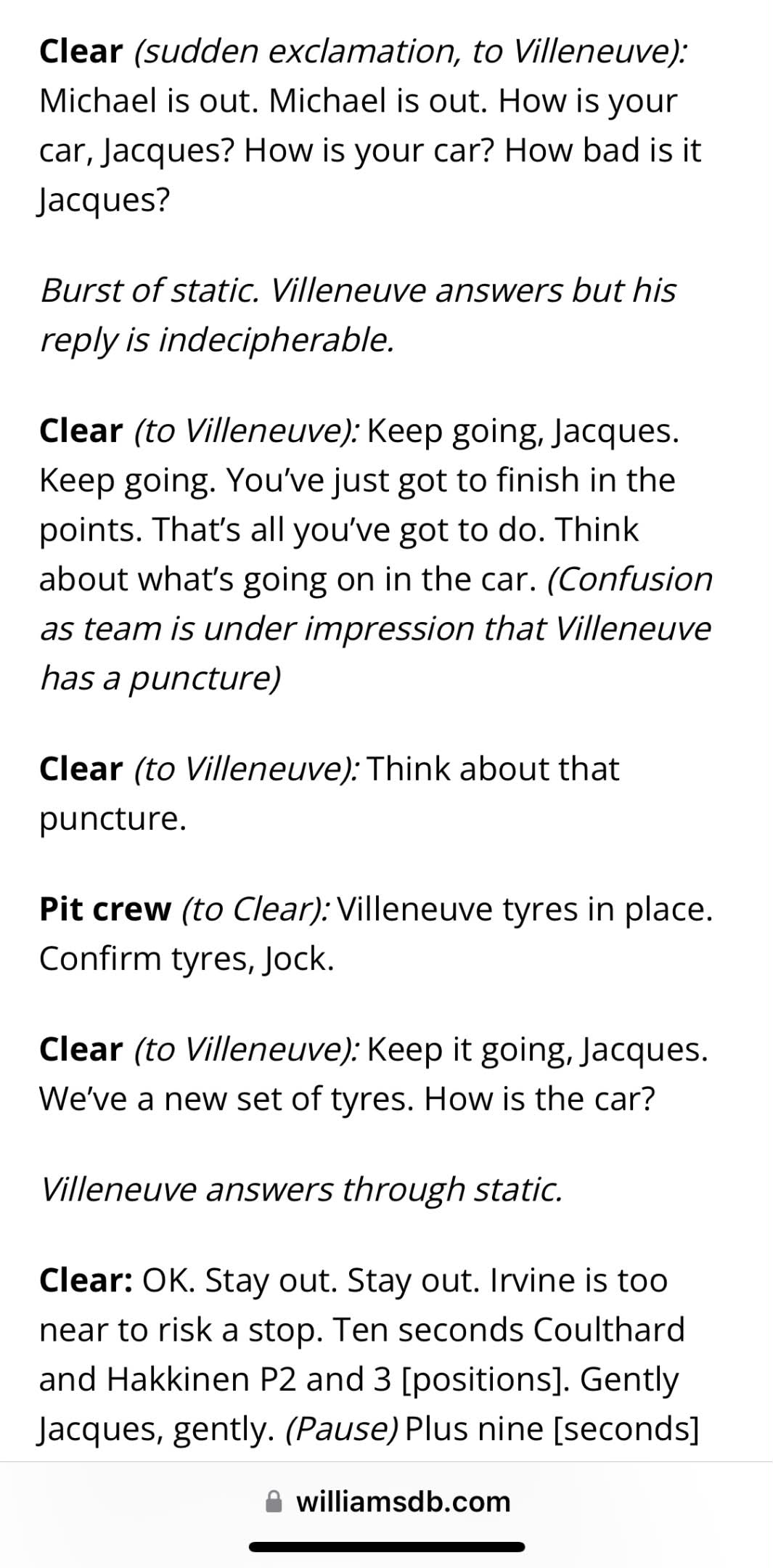
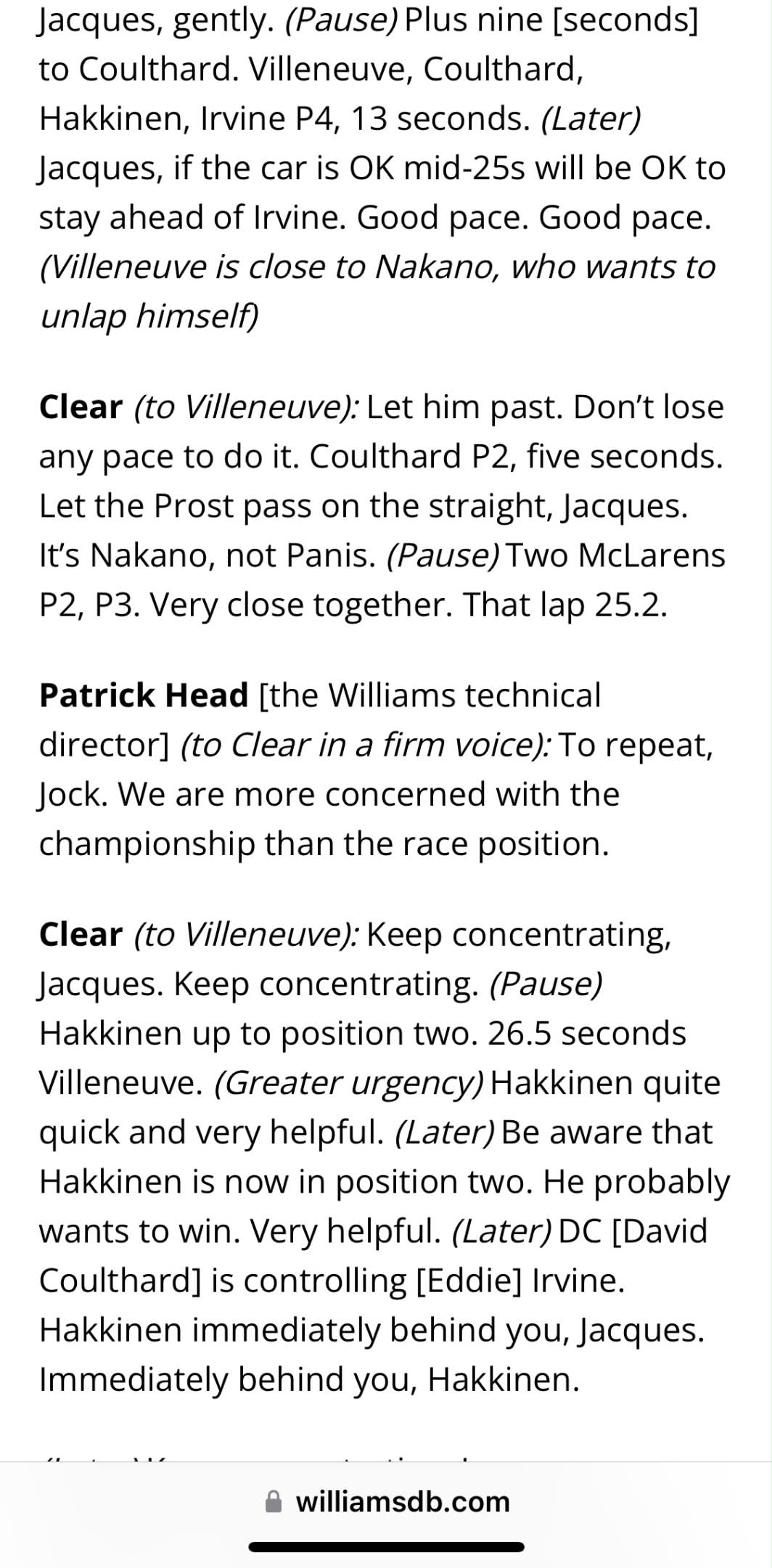
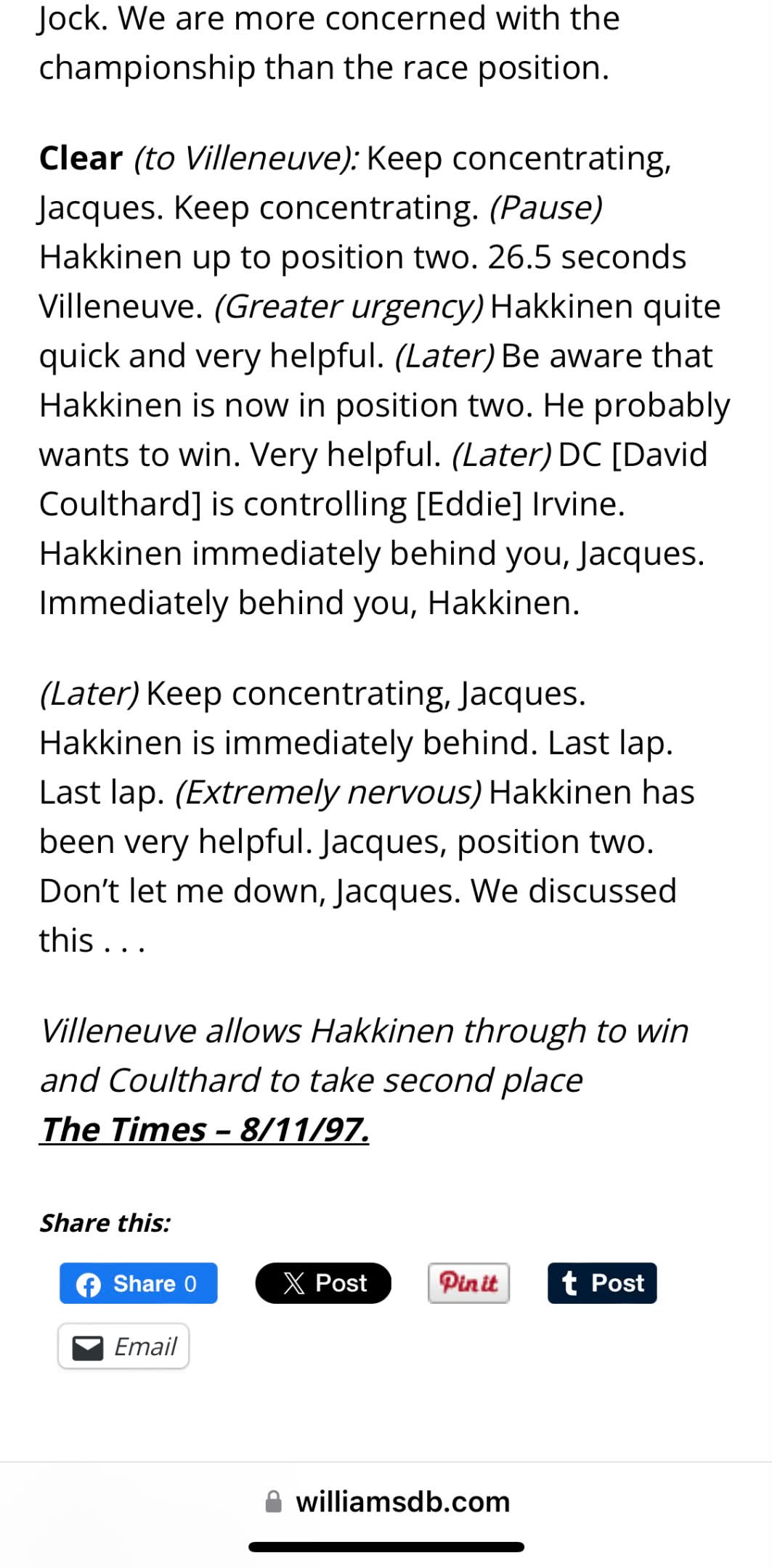
The allegation gained traction after Ferrari recorded Williams pit-to-car radio transmissions and passed the recordings and transcripts to The Times, which published the story and suggested the race had been fixed. The FIA responded by summoning both teams before the World Motor Sport Council.
After reviewing the radio transcripts and hearing from the team principals, FIA president Max Mosley rejected the allegation. The council concluded there had been no agreement to fix the race.
Mosley did acknowledge that Williams had approached McLaren, along with several other teams, before the race and asked them not to interfere in the championship battle between Villeneuve and Schumacher. McLaren agreed, but so did others. According to the FIA, this was not race fixing but a request to avoid becoming entangled in a title fight that didn't involve them.
Once Schumacher retired after colliding with Villeneuve, Williams' priority shifted to getting its damaged car to the finish. Villeneuve no longer needed to win the race, only to score enough points to clinch the championship. The team repeatedly reminded him not to risk fighting the McLarens, allowing Hakkinen to claim his maiden F1 victory ahead of Coulthard.
The controversy also exposed another issue. Ferrari had secretly recorded rival teams radio communications, something Mosley described as legal at the time but ethically questionable. In the aftermath, the FIA began exploring changes to radio regulations, including open communications or even a complete ban on pit-to-car radio.
Despite the headlines, the FIA found no evidence that Williams and McLaren had fixed the race, only that they had agreed to stay out of a championship battle that was never theirs to decide.