By the mid-1980s, Formula 1’s turbo era had become an arms race. Renault had introduced turbocharging to F1 in 1977, Ferrari followed in 1981, and within a few years the normally aspirated engine had virtually disappeared from the front of the grid.
Then the FIA began planning for life after the turbos.
With increasingly powerful engines becoming expensive and difficult to control, the governing body wanted to phase them out and move Formula 1 back toward naturally aspirated engines. Enzo Ferrari was furious. The proposed rules threatened the engine philosophy he wanted for Ferrari, and in typical Enzo fashion, he responded with something far more dramatic than a complaint.
Ferrari could leave Formula 1 altogether.
Instead, the Scuderia could go racing in America.
The threat was extraordinary. Ferrari had been part of every Formula 1 season since the World Championship began in 1950. Few believed Enzo would actually walk away, and many saw the idea of entering CART and the Indianapolis 500 as little more than political leverage.
But Ferrari began behaving as though it meant every word.
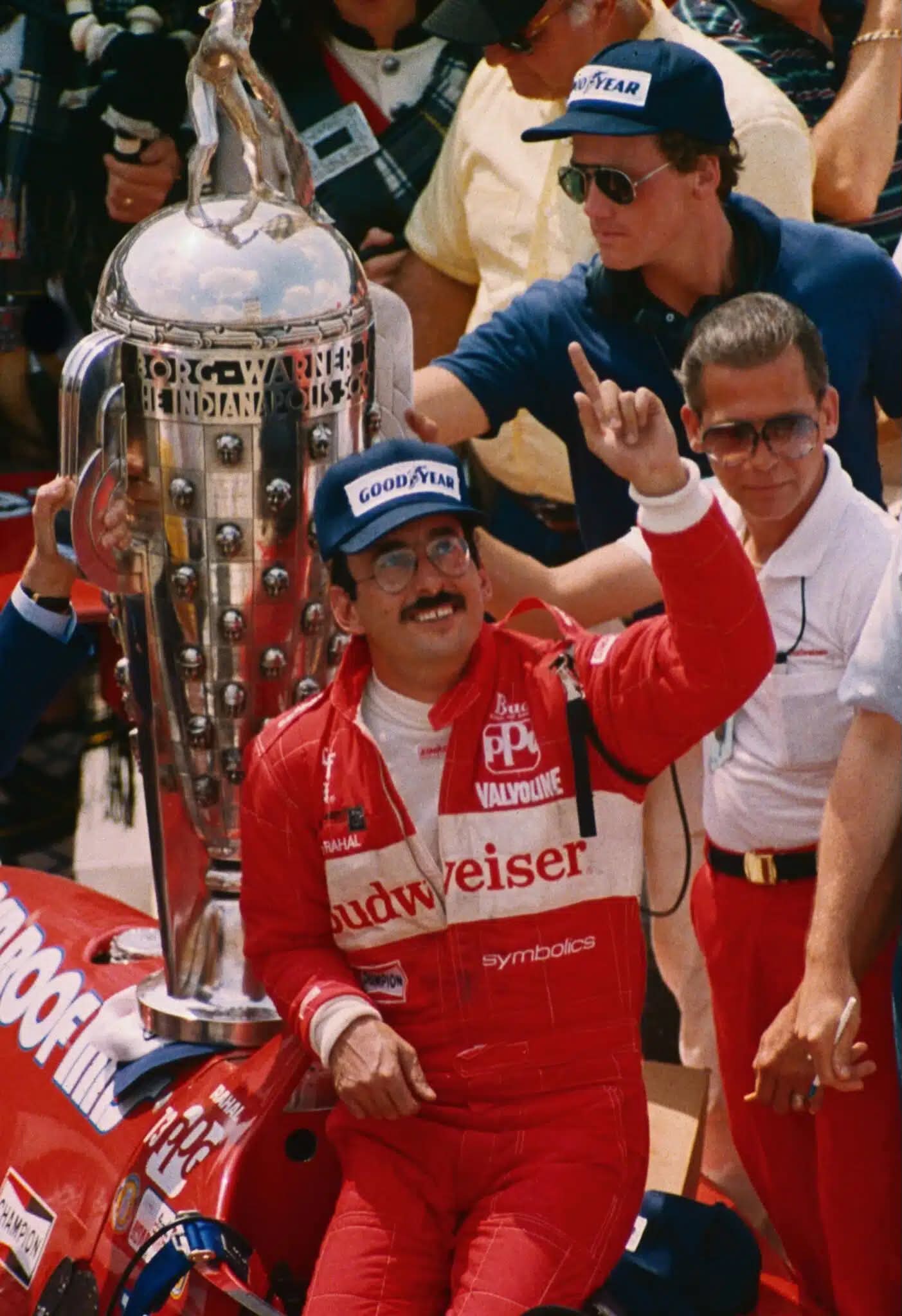
Sporting director Marco Piccinini was sent to America to study CART, its teams and the Indianapolis 500. Ferrari concluded that if it wanted to compete quickly, it needed help from an established American operation. It found that partner in TrueSports, home of Bobby Rahal.
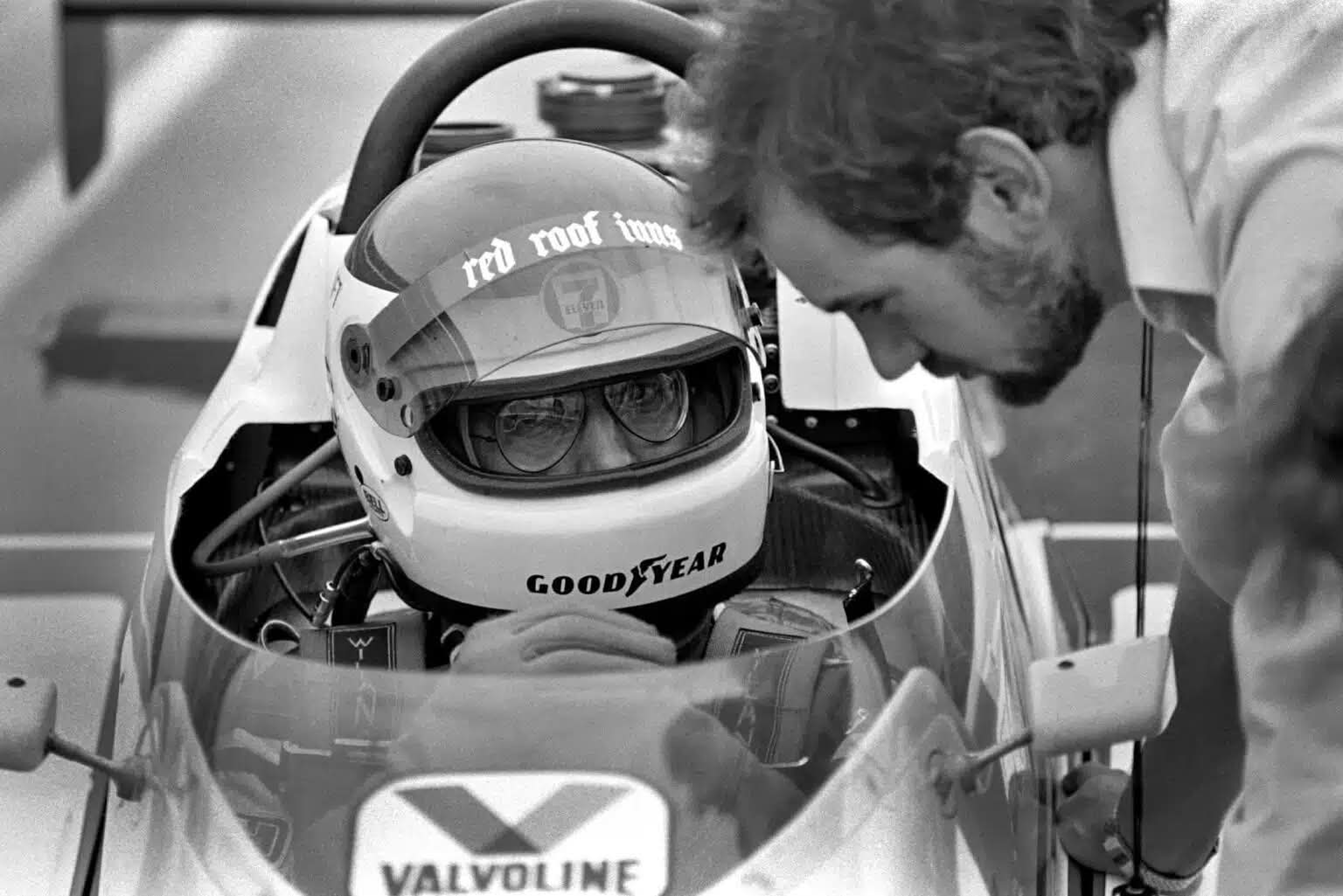
Rahal remembers the project as anything but a bluff. “It certainly did not seem to be an exercise in politics,” he later recalled. “It seemed like this was something they really were gonna do. It was a very serious effort.”
TrueSports sent Ferrari a March 85C-Cosworth, one of CART’s benchmark cars, along with personnel to help Maranello understand this very different form of racing. Ferrari dismantled and studied the March, while Rahal and Ferrari F1 driver Michele Alboreto tested it at Fiorano.
Ferrari even considered hiring the man who had designed it.
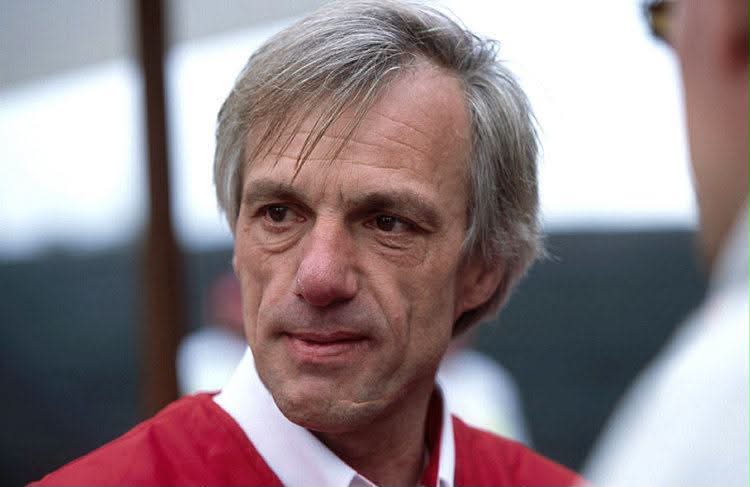
Rahal tried to convince his former race engineer Adrian Newey to join Ferrari’s IndyCar project. Newey ultimately stayed away, and the job went instead to young Austrian engineer Gustav Brunner, who was assigned specifically to the new American car.
Brunner immersed himself in CART. He spent time at TrueSports in Ohio, attended races and studied how the cars behaved on both road courses and ovals. Rahal remembered him as “all ears,” absorbing everything he could.
And when Rahal visited Maranello, he began to understand what Ferrari could bring to the fight.
He remembered shelves filled with experimental engines: different capacities, cylinder counts and V-angles. “It was so impressive,” he recalled. “You thought, ‘How can anybody compete with that?’”
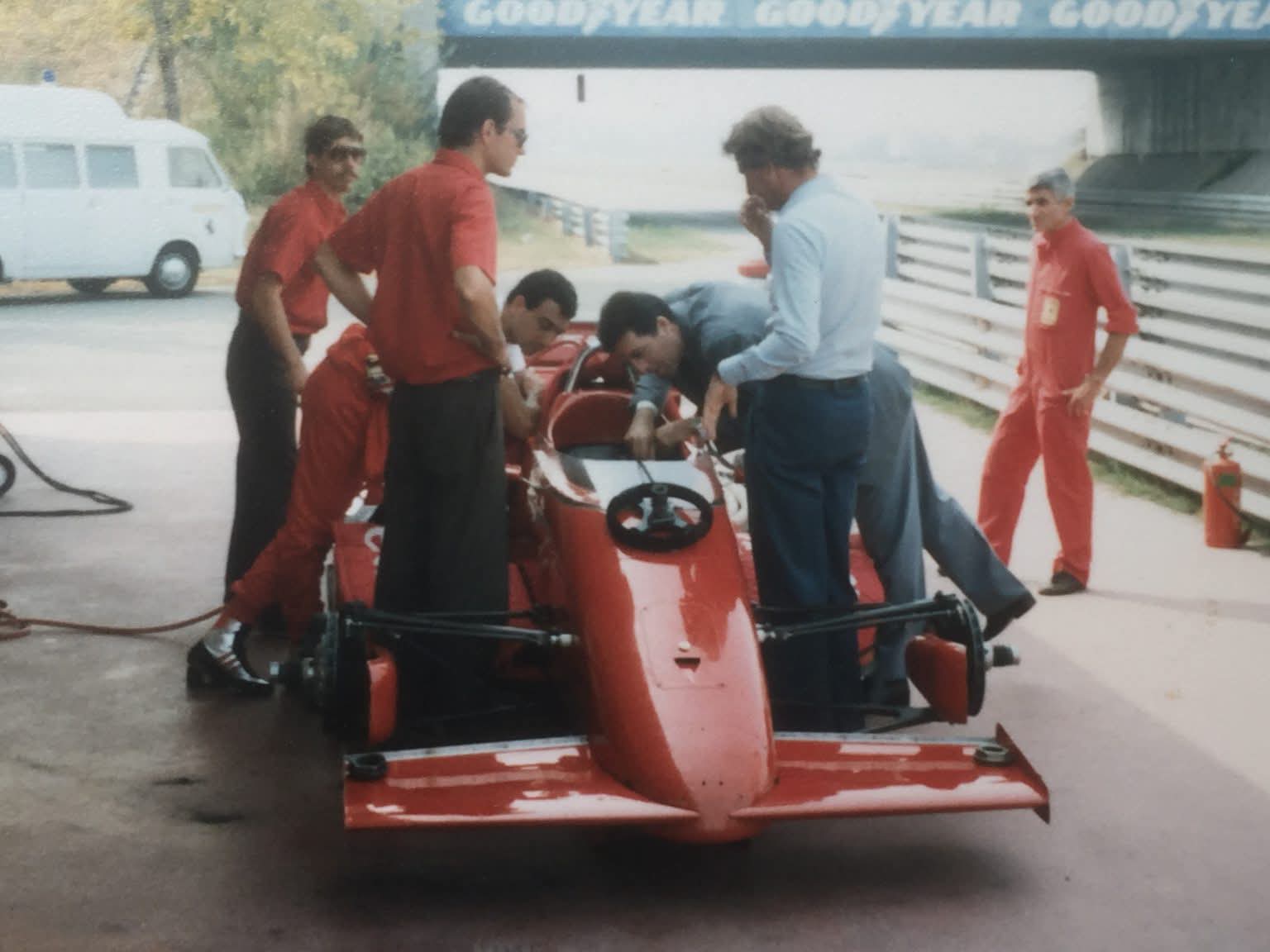
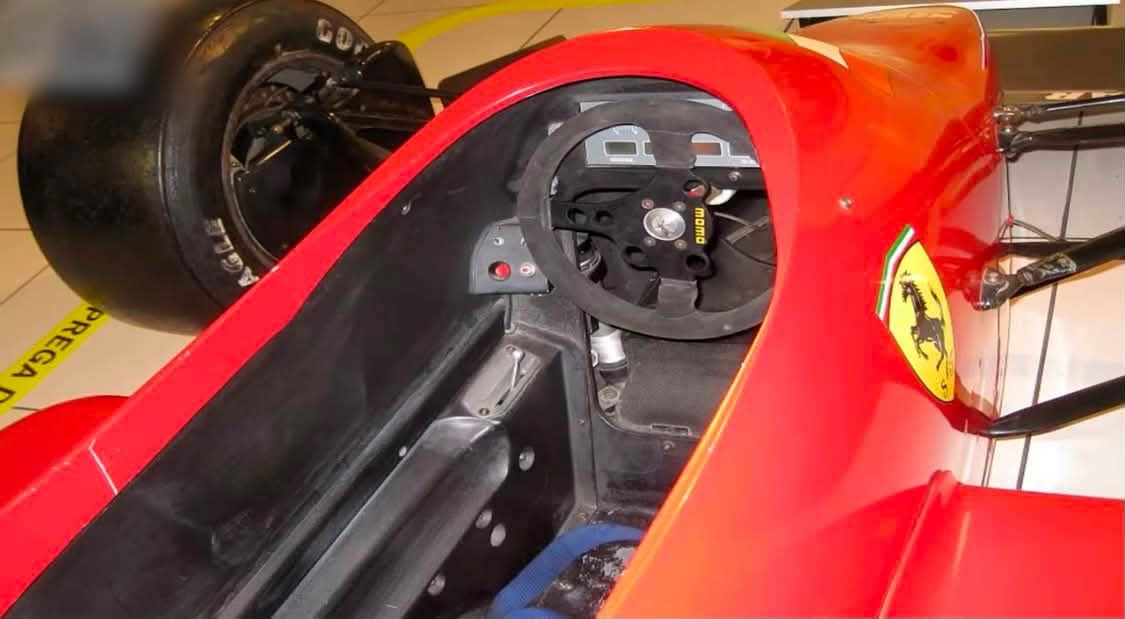
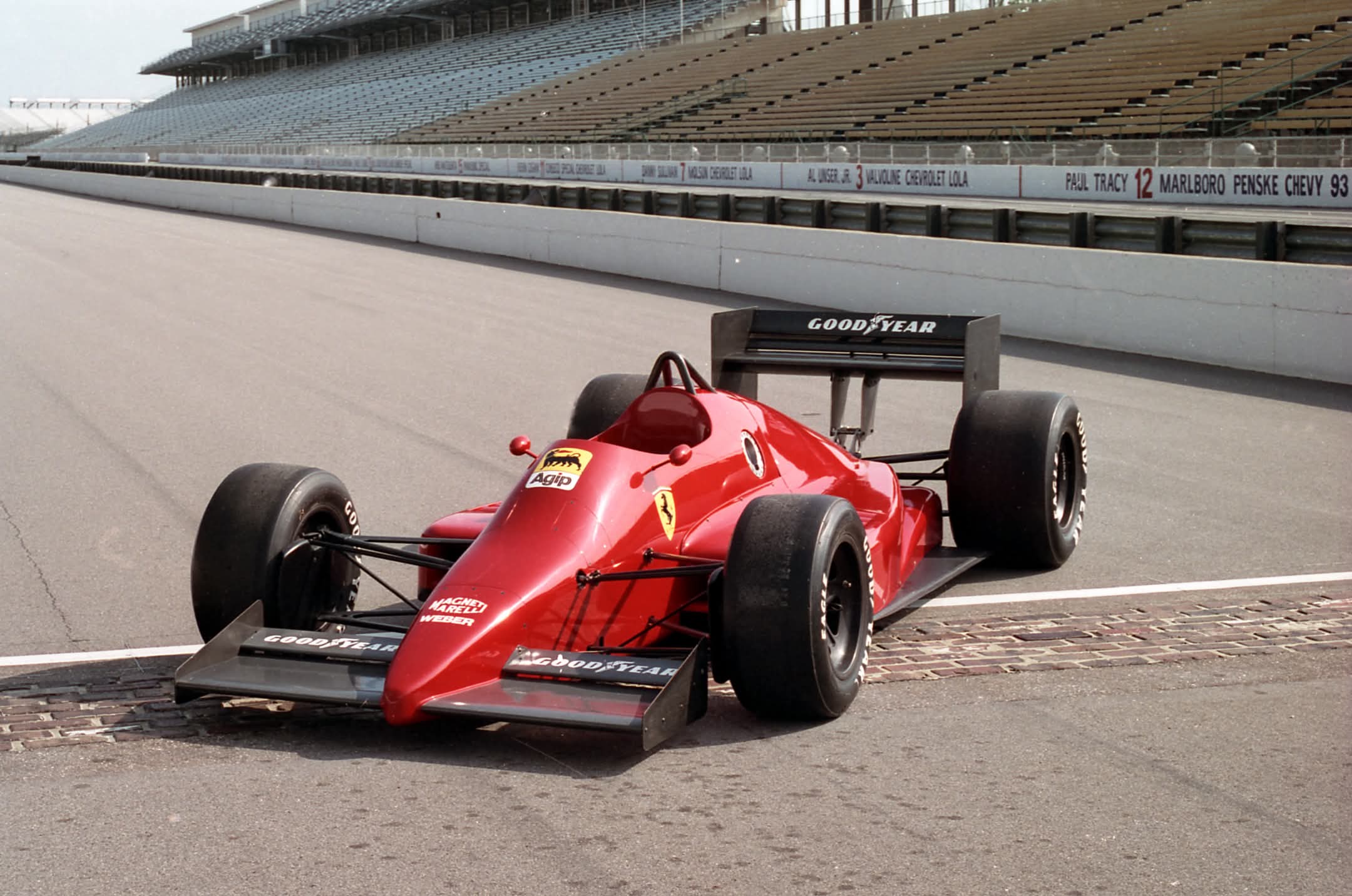
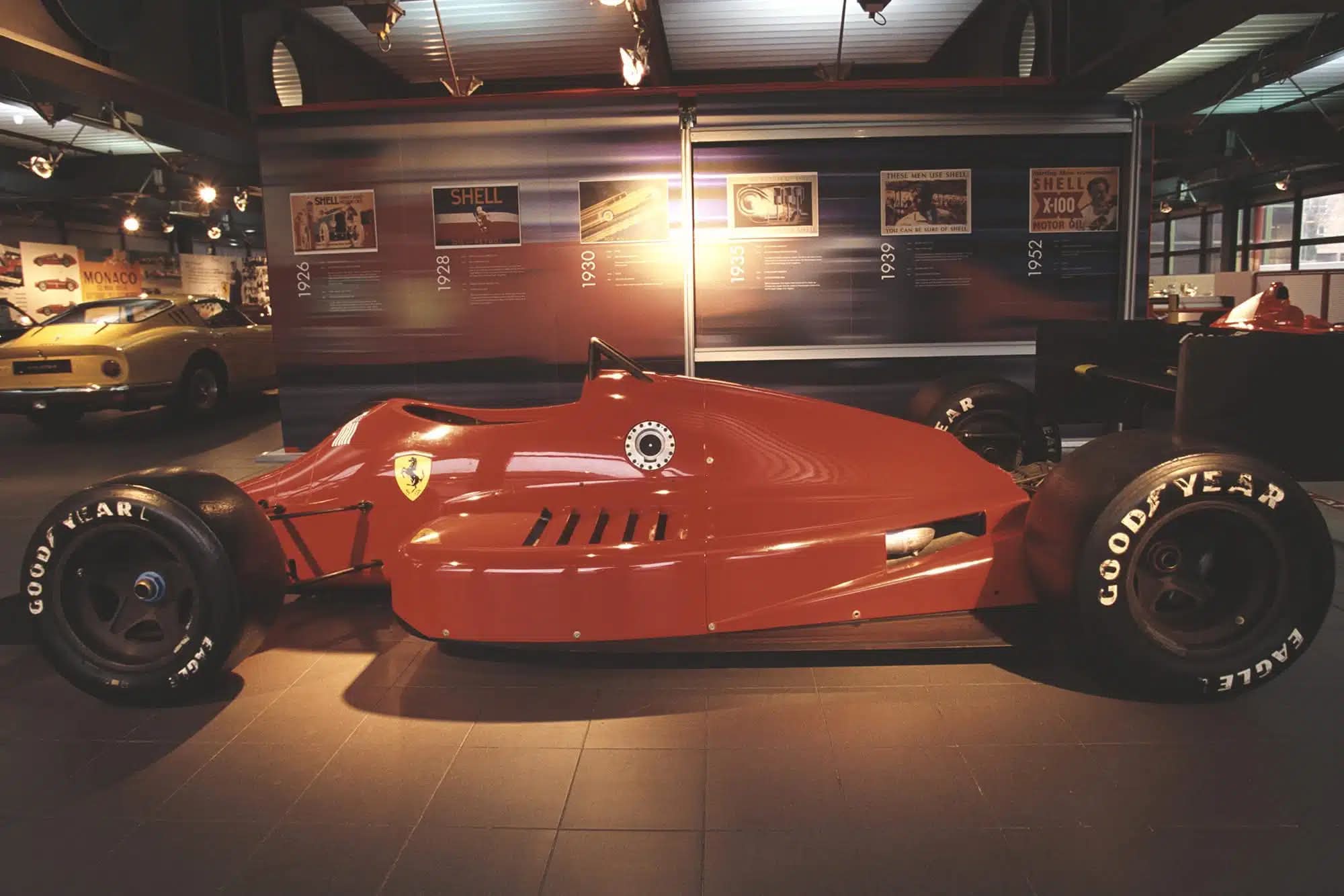
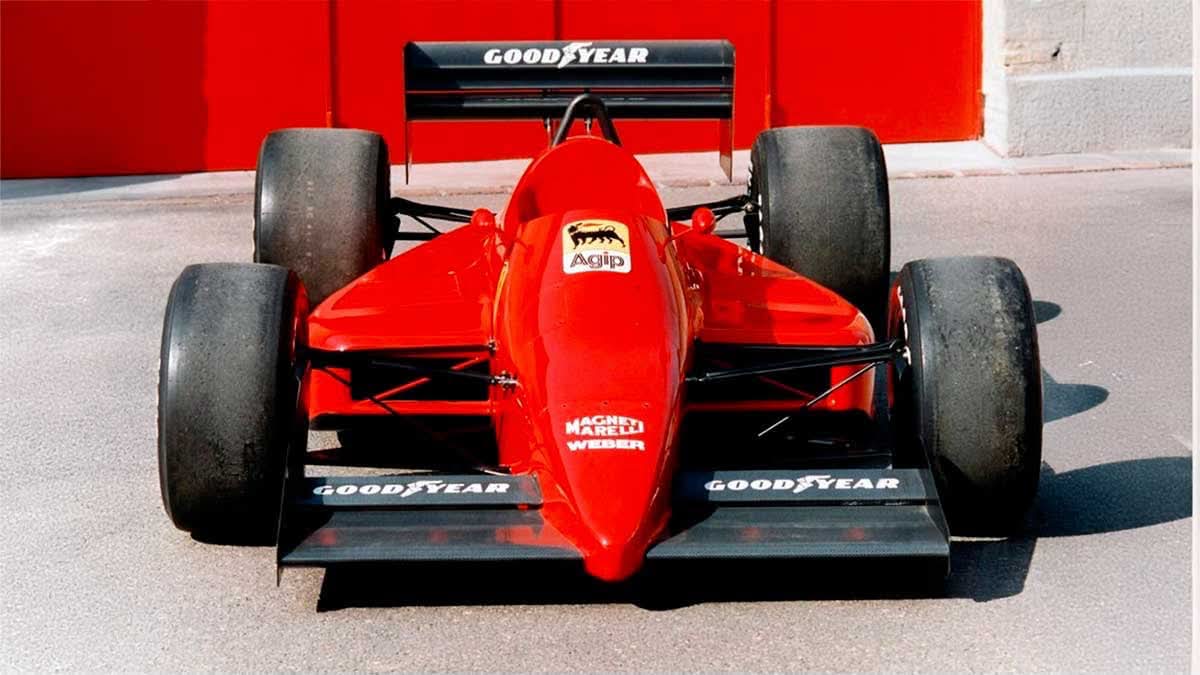
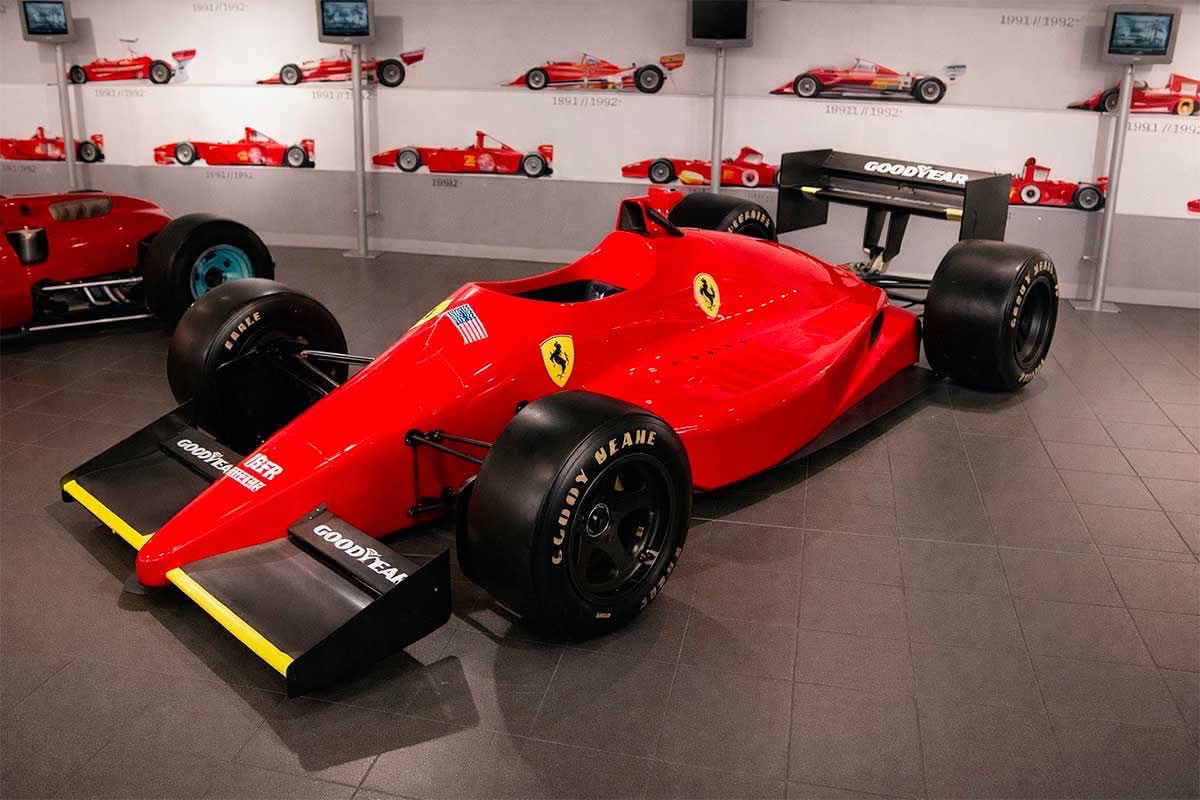
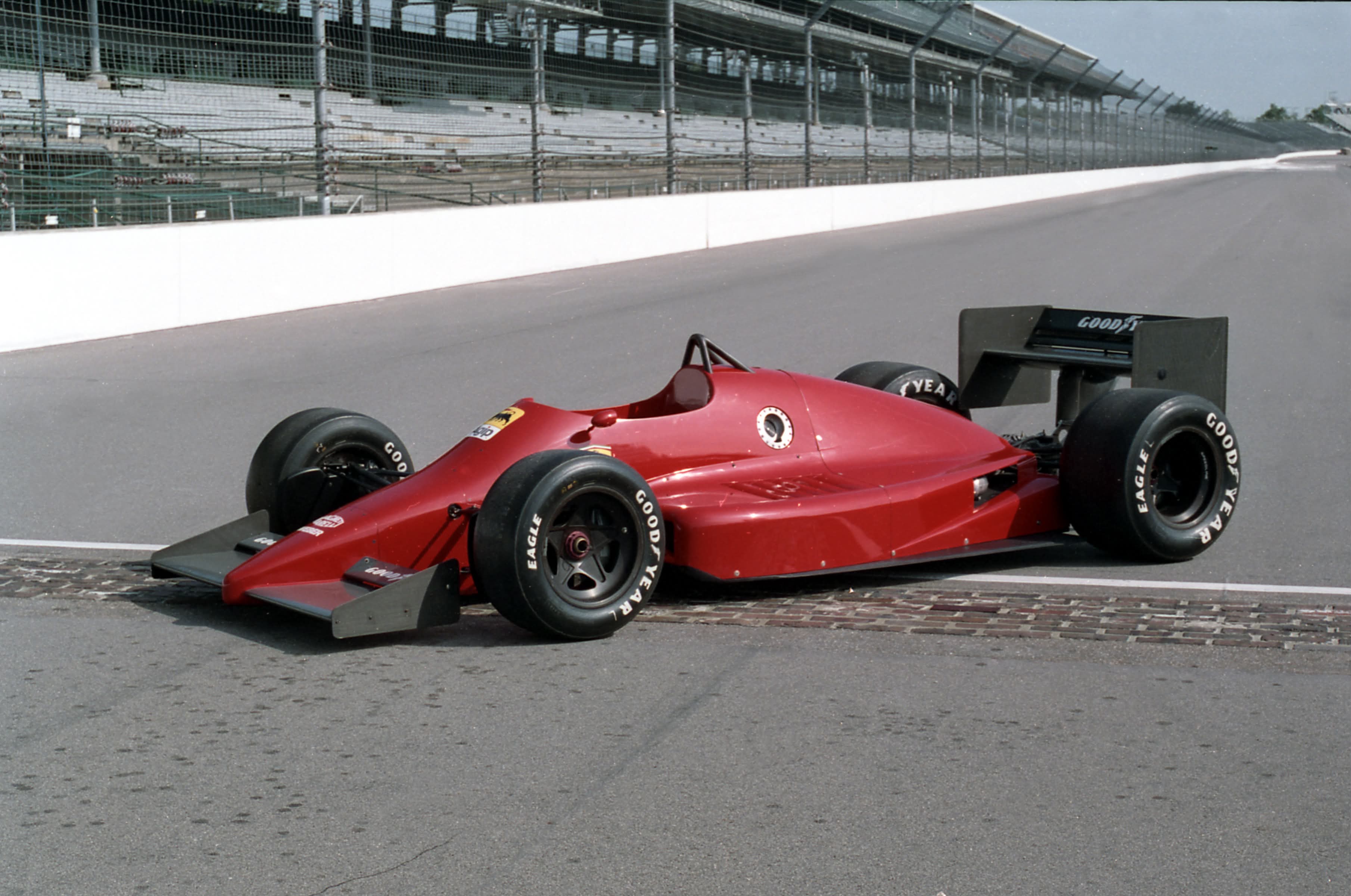
The result of all this work was the Ferrari 637.
Rather than simply copying the March, Brunner created a distinctly Ferrari interpretation of an IndyCar. Its bodywork tapered smoothly ahead of the rear wheels rather than using the characteristic kick-up seen on contemporary CART cars, while its transverse gearbox went against the longitudinal layout commonly used in America.
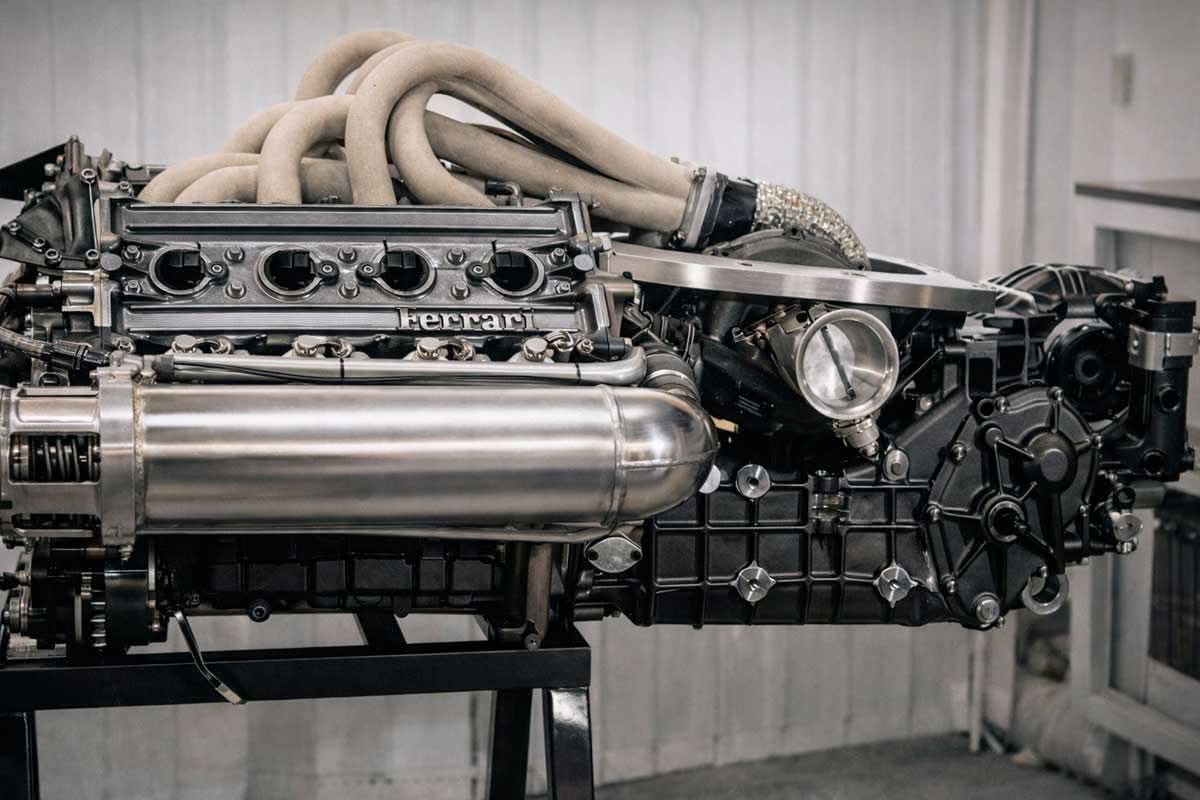
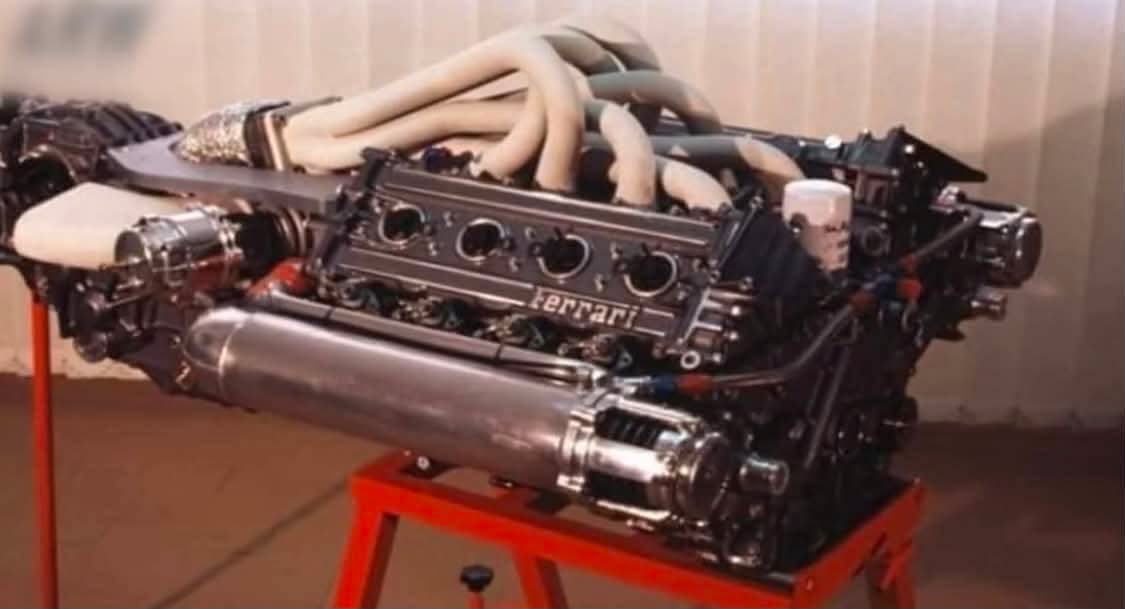
Behind the driver sat something even more significant: Ferrari’s Tipo 034, a purpose-built 2.65-litre turbocharged V8 designed around CART regulations and reportedly producing around 700hp.
This was no rebodied Formula 1 car. Ferrari had built an IndyCar engine from scratch.
By 1986, the project had progressed far enough that a completed 637 existed and Michele Alboreto drove it at Fiorano. Yet accounts differ significantly over how much meaningful testing actually occurred. Some later reports described the car as immediately fast, while Rahal recalled that Alboreto completed only an installation lap before the car disappeared back into the factory.
What isn't in doubt is that Ferrari had gone far beyond making an empty threat. There was a car, an engine, an American partner and a development programme that Rahal believed could have produced a competitive entry.
“From a chassis standpoint, there’s no reason to think it would not have been competitive, right from the start,” he later said. Ferrari had been given one of the best CART cars of 1985 to dismantle, measure and understand, while Brunner had spent considerable time learning directly from TrueSports.
The engine, Rahal thought, might have been the greater challenge. CART placed very different demands on an engine than Formula 1, particularly at Indianapolis. But after seeing Ferrari’s resources firsthand, he doubted it would have taken Maranello long to figure it out.
And then, almost as suddenly as it had begun, the project faded away.
Exactly why remains part of the 637’s mythology. One explanation is that Enzo had already achieved what he wanted. The FIA backed away from the engine rules Ferrari most strongly opposed, and the regulations ultimately allowed naturally aspirated engines of up to 3.5 litres from 1989—giving Ferrari the freedom to retain its beloved V12.
One famous story even claims that during negotiations with officials, Enzo had Ferrari’s new Indy V8 fired up nearby, an unmistakable reminder that his American threat was becoming very real.
There was another practical reason. John Barnard had arrived to rebuild Ferrari’s struggling Formula 1 operation, and an IndyCar programme consuming money, engineers and resources was difficult to justify. If Ferrari wanted to return to the front in F1, its attention had to be there.
For Rahal, the end came quietly. The calls and conversations simply became less frequent until Ferrari eventually told TrueSports it wasn’t going ahead.
There was genuine disappointment.
Rahal believed Ferrari entering CART would have been “historic and unbelievably good for Indy Car.” More importantly, having seen the project from the inside, he remained convinced Ferrari could have made it work.
The 637 never raced. Ferrari remained in Formula 1, and its American adventure became one of motorsport’s great what-ifs.
Perhaps that is what makes the story so fascinating. The 637 may have begun as Enzo Ferrari’s weapon in a political battle, but somewhere along the way the threat became a real racing car. Ferrari studied its rivals, partnered with one of America’s best teams, developed its own turbo V8 and built a machine for Indianapolis.
Whether Enzo ever truly intended to leave Formula 1 may never be completely clear.
But he made sure everyone believed he could.