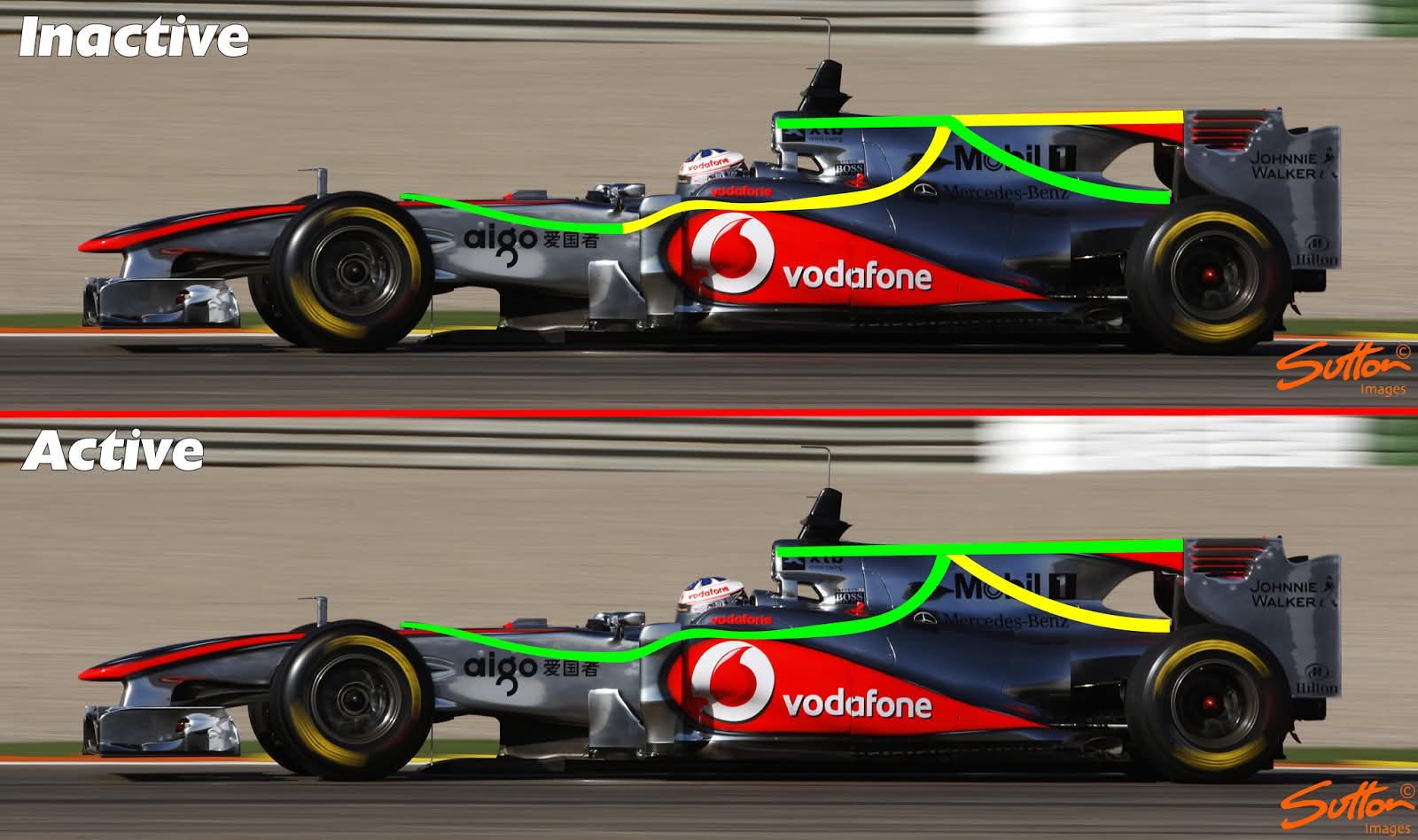
In 2010, McLaren developed a way to gain speed on the straights without sacrificing the rear-wing downforce needed through corners.
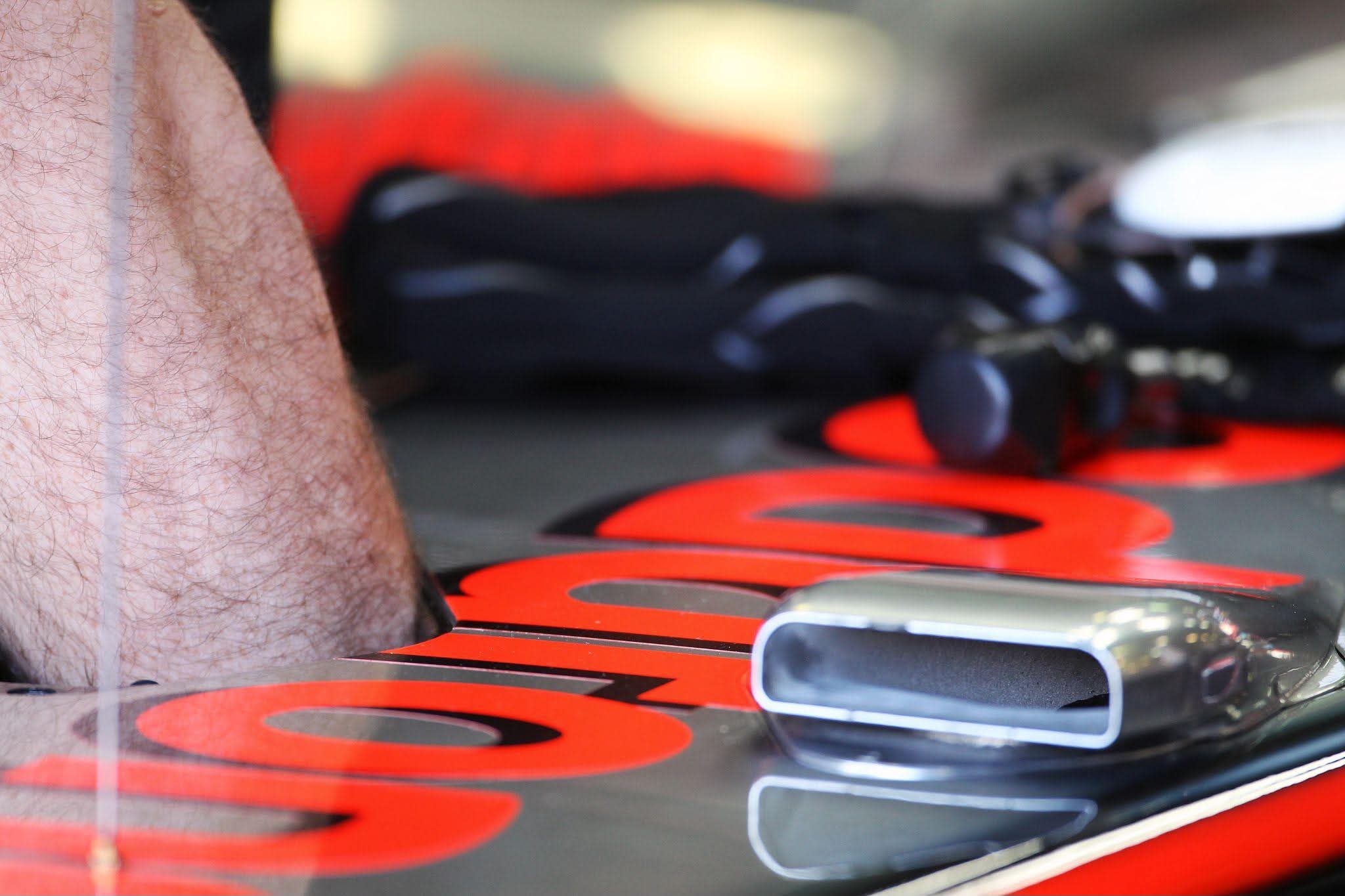
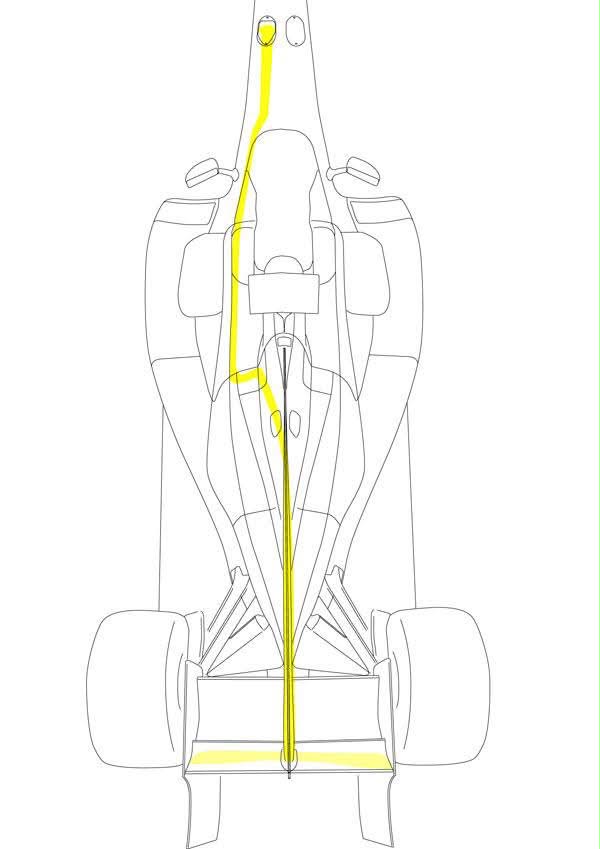
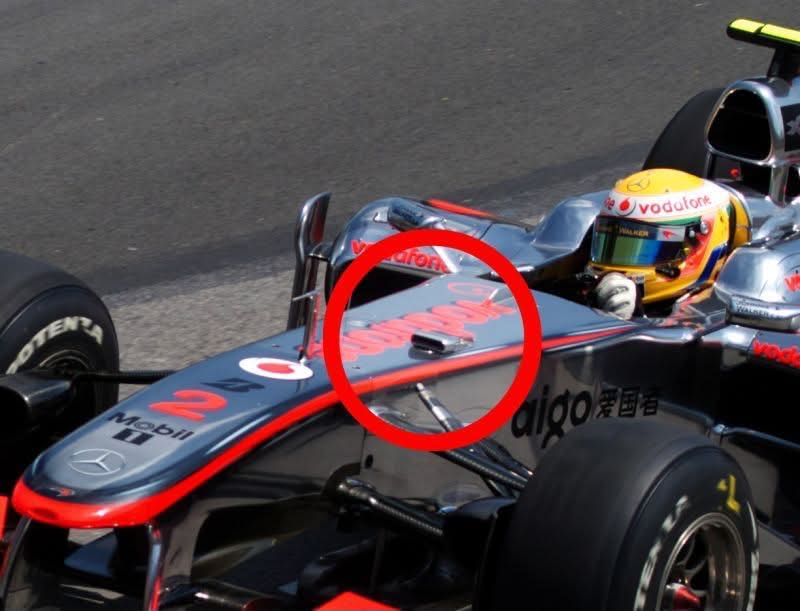
On the MP4-25, air entered through an inlet on the nose and travelled through ducts inside the car. Normally, some airflow could bleed into the cockpit, but on the straights the driver covered this opening with his knee or leg, forcing more air rearward toward the wing. The resulting jet stalled the wing, cutting drag and increasing top speed. Release the opening and the wing returned to normal.
McLaren called the system RW80 internally. The name F-duct reportedly came from an inlet positioned near the F in the MP4-25’s Vodafone branding.
Within months, almost the entire F1 grid was trying to achieve the same effect. But McLaren had designed its system into the monocoque from the start. With rival chassis already homologated, other teams had to retrofit their own solutions. Sauber was among the first, followed by Mercedes, Ferrari, Red Bull and others.
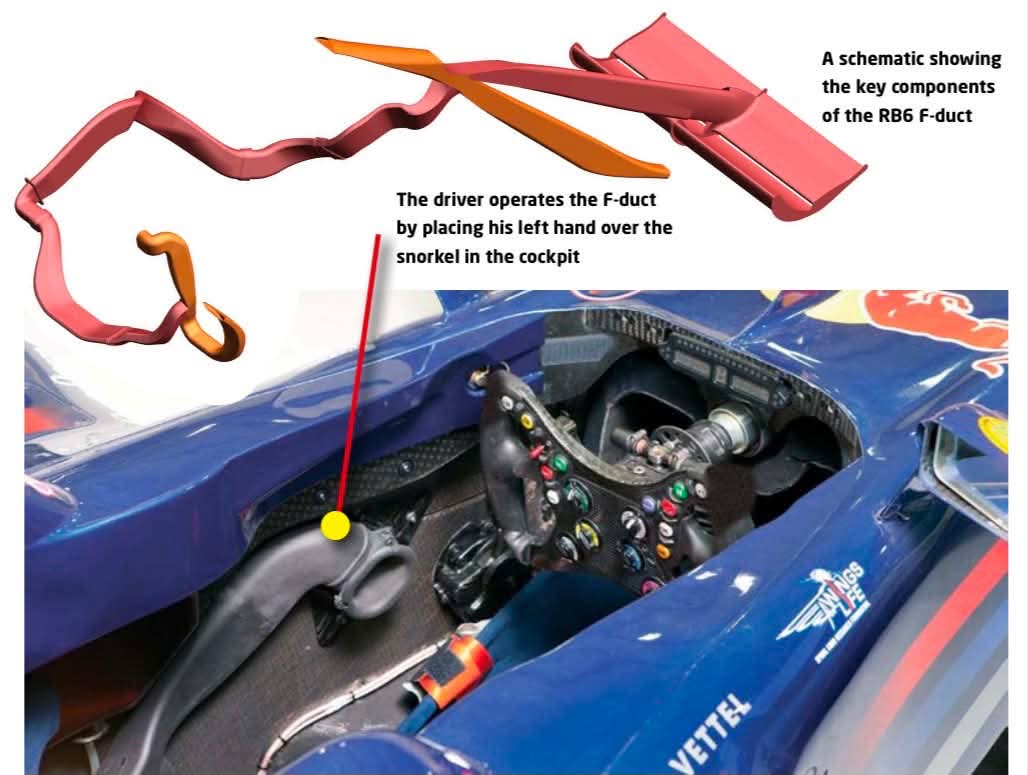
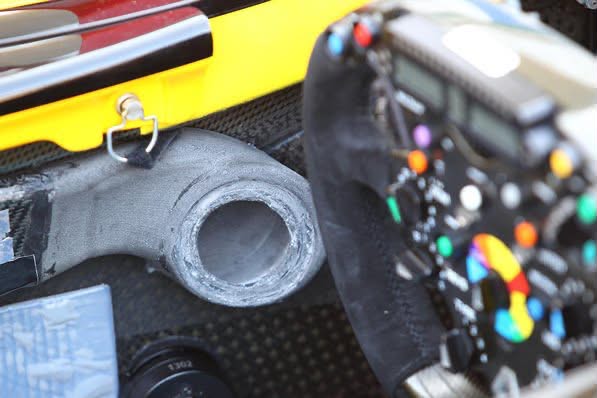
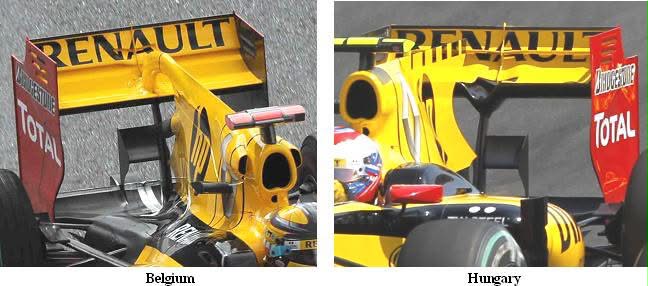
Each team developed its own ducting and activation method. Red Bull, Ferrari, Renault and Sauber all produced versions that required the driver to use a hand. The system provided roughly 3 to 6 mph in top straight-line speed and up to 0.5 seconds per lap.
The tech behind these systems had surprisingly old roots. Adrian Newey explained that the fluidic principle traced back to 1950s Cold War research, when fears of aircraft electronics being jammed led engineers to explore systems controlled by air instead of electricity.
A small airflow could control a larger one, or as Newey put it, effectively “a transistor, but using air rather than electricity.”
The lack of moving aero parts was also key to the concept’s legality. Movable aerodynamic devices were banned, but the FIA accepted the F-duct because the aero surfaces remained fixed. Instead, the driver became part of the system.
But that also created a safety concern. McLaren’s drivers could keep both hands on the wheel, while some rival systems required drivers to remove a hand at high speed. Newey later linked two accidents to this, including Kamui Kobayashi’s practice crash at Suzuka, which he believed happened while Kobayashi was reaching to operate his F-duct.
By the end of 2010, McLaren’s innovation had sparked an F1 development war. But for 2011, driver-operated F-ducts were banned and effectively replaced by DRS.