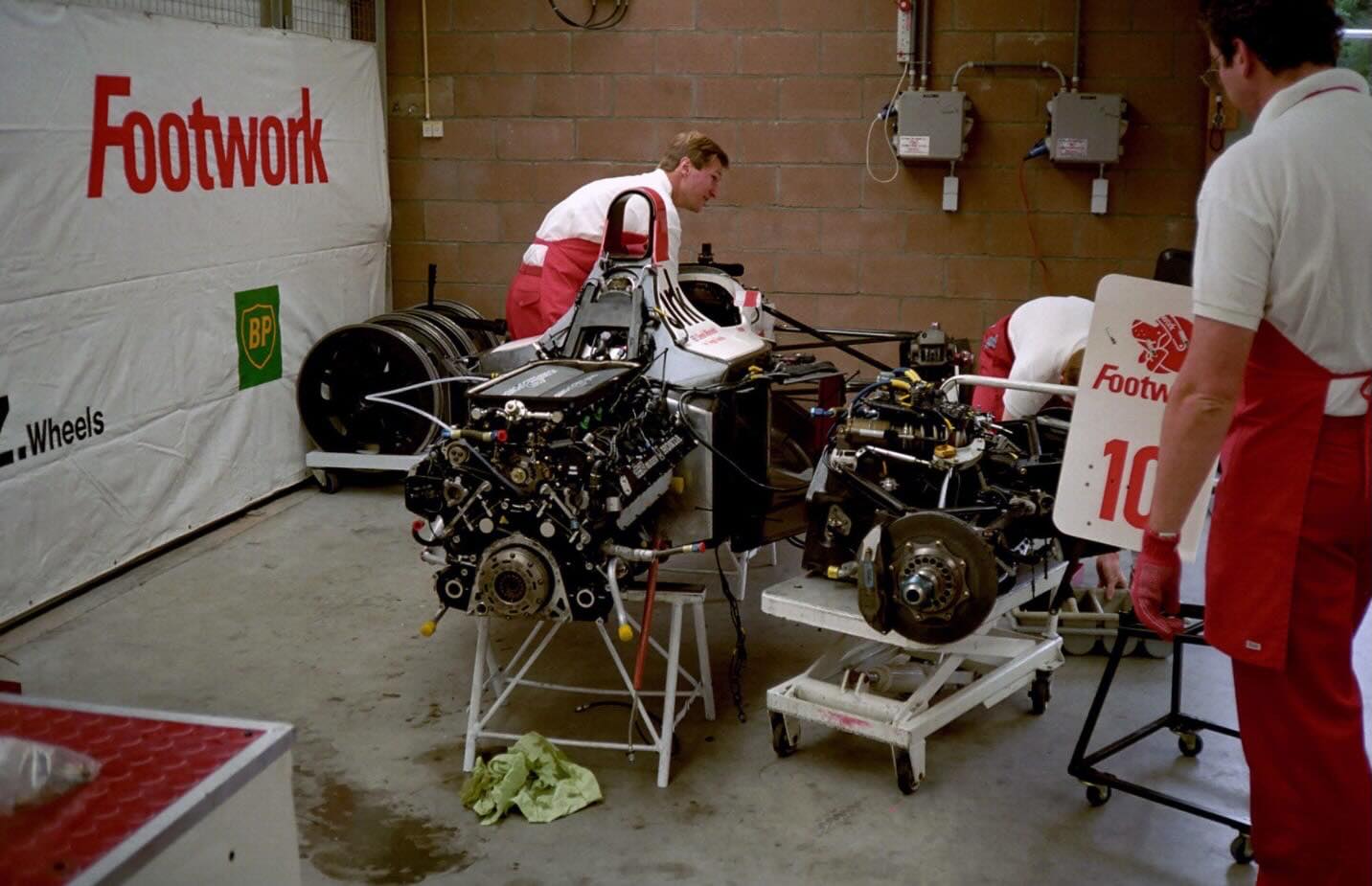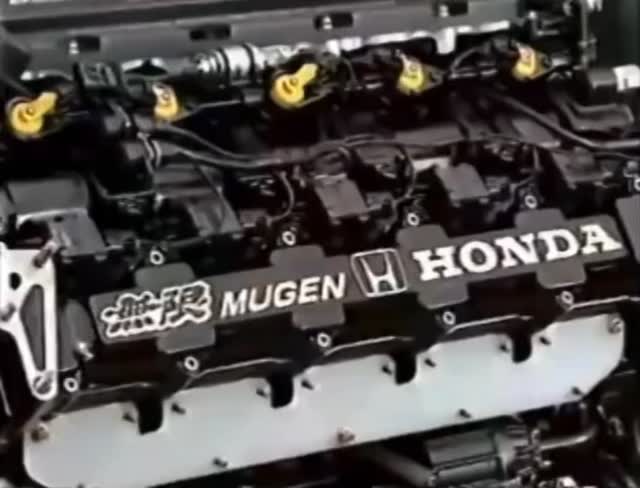
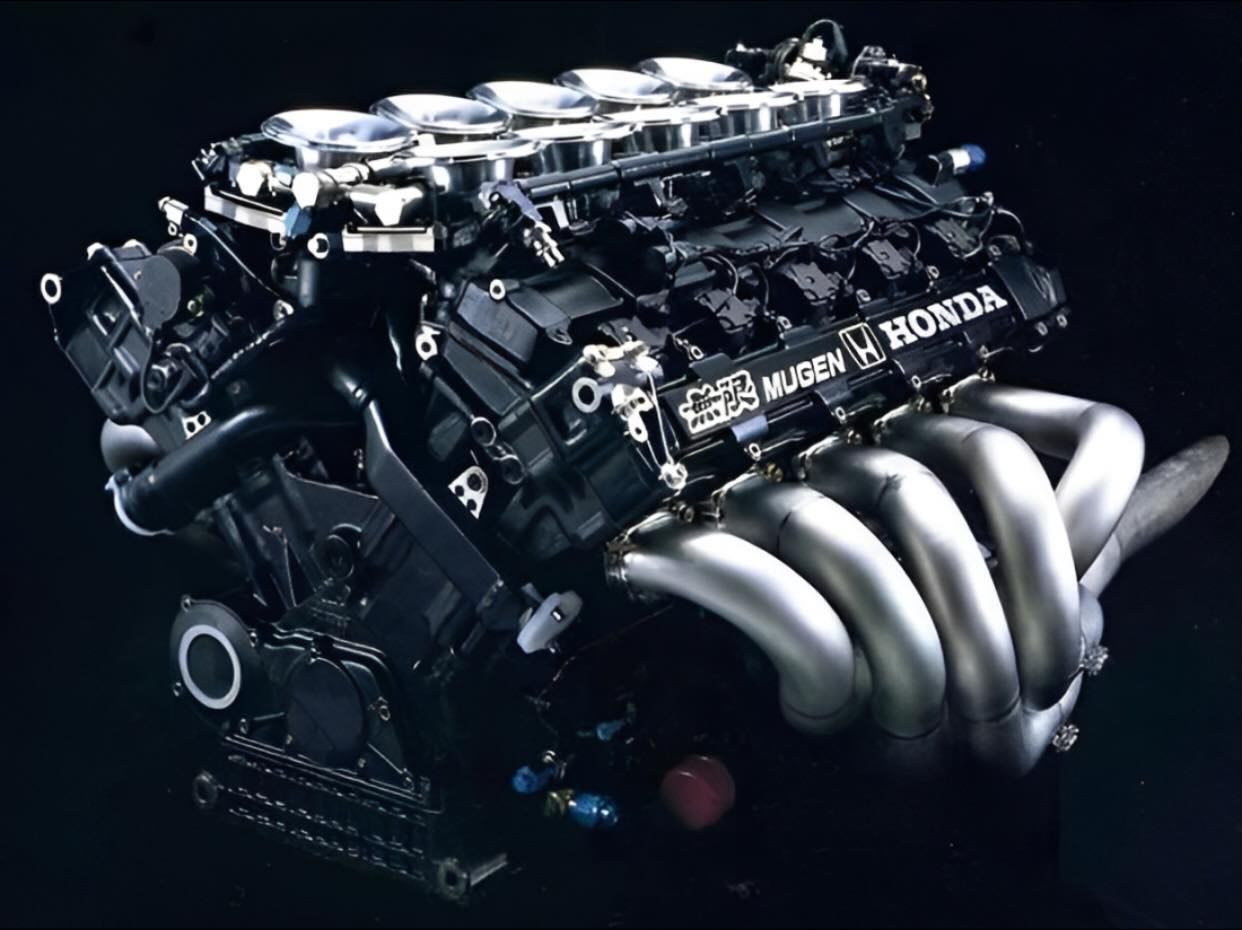
Mugen's F1 story occupied one of the sport's most intriguing grey areas. Mugen's F1 involvement became visible in 1991, when its engineers worked alongside Honda on the RA101E supplied to Tyrrell. This 3.5L naturally aspirated 72-degree V10 produced more than 680 hp, a sophisticated unit overshadowed by Honda's McLaren V12s.
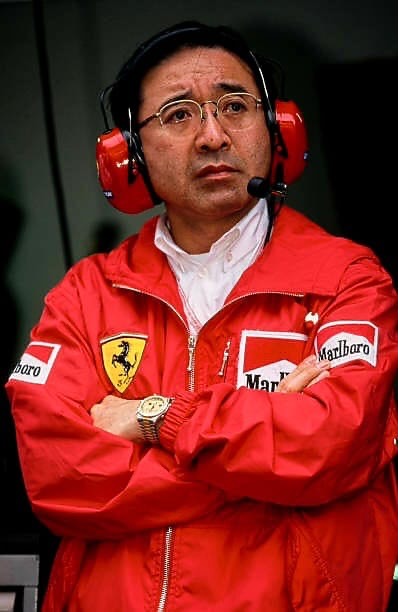
When Honda withdrew in 1992, its exit was not entirely clean. Some of its V12 expertise reportedly migrated to Ferrari alongside former Honda engineers. Among them was ex-Honda F1 engine chief Osamu Goto, who later joked from Maranello that Ferrari "should really just put a big H on the engine block." Meanwhile, Honda's relationship with Mugen quietly continued.
Rather than inheriting the V12 program, Mugen carried forward the RA101E's V10 architecture into the MF351H. Publicly, these became Mugen engines. Privately, the relationship was far murkier. While officially independent, it was widely understood within the paddock that Honda engineers remained involved behind the scenes, with much of the original engineering philosophy carrying over.
The first major evolution came with the MF351HD in 1994, before F1's 1995 switch to 3.0L brought the MF301H, which underpinned Mugen's most successful years.
Mugen's engines were rarely the outright benchmark, but their V10s were dependable, responsive, and compact, qualities that allowed teams to build efficient chassis around them. Through the late 1990s, the MF301HB, HC, HD and later evolutions steadily improved power, throttle response, and durability, with outputs well into the 700 hp range.
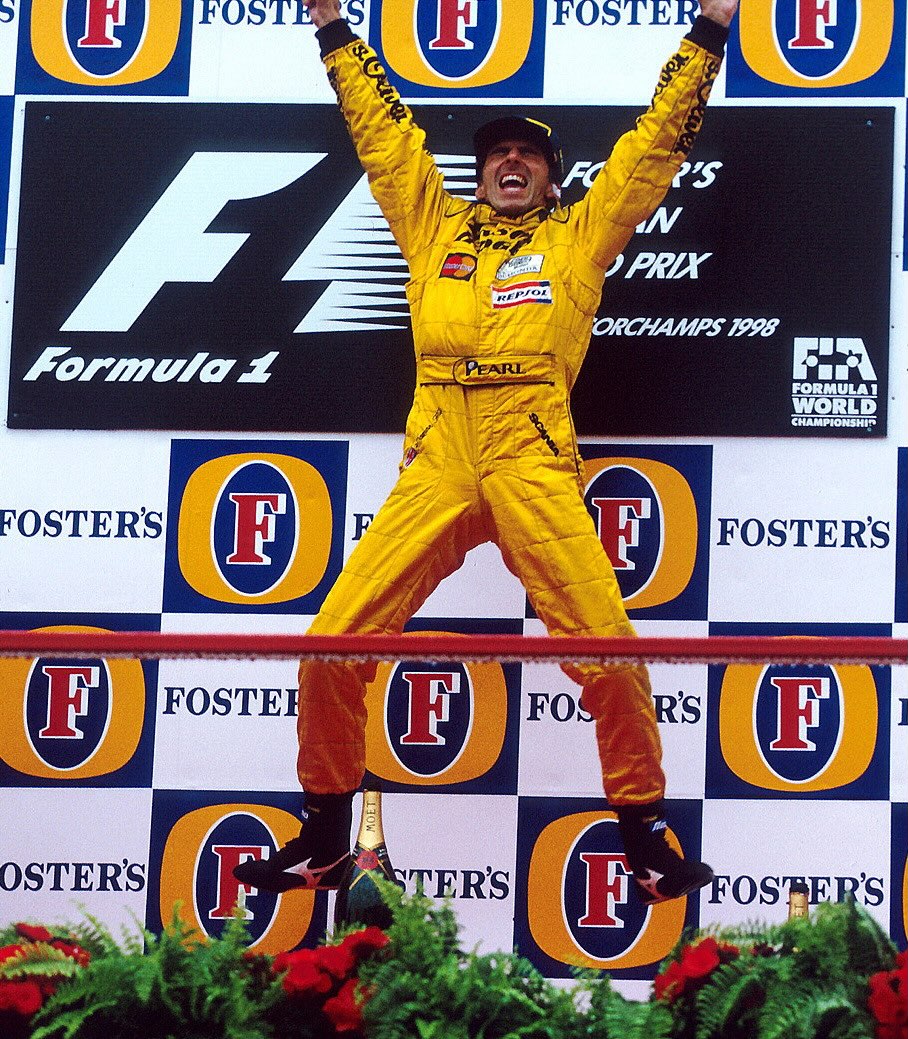
After Footwork and Lotus came Ligier, where Mugen claimed its first win with Olivier Panis at Monaco in 1996. Prost retained the engines until Peugeot replaced them in 1998, opening the door for Jordan. There, Mugen hit its peak, powering Damon Hill to Jordan's first win at Spa in 1998 and Heinz-Harald Frentzen to three more victories in 1999.
Not quite a works effort and not quite a customer engine, Mugen was an unusually effective halfway house. Honda's return in 2000 brought F1's shadow Honda to an end.