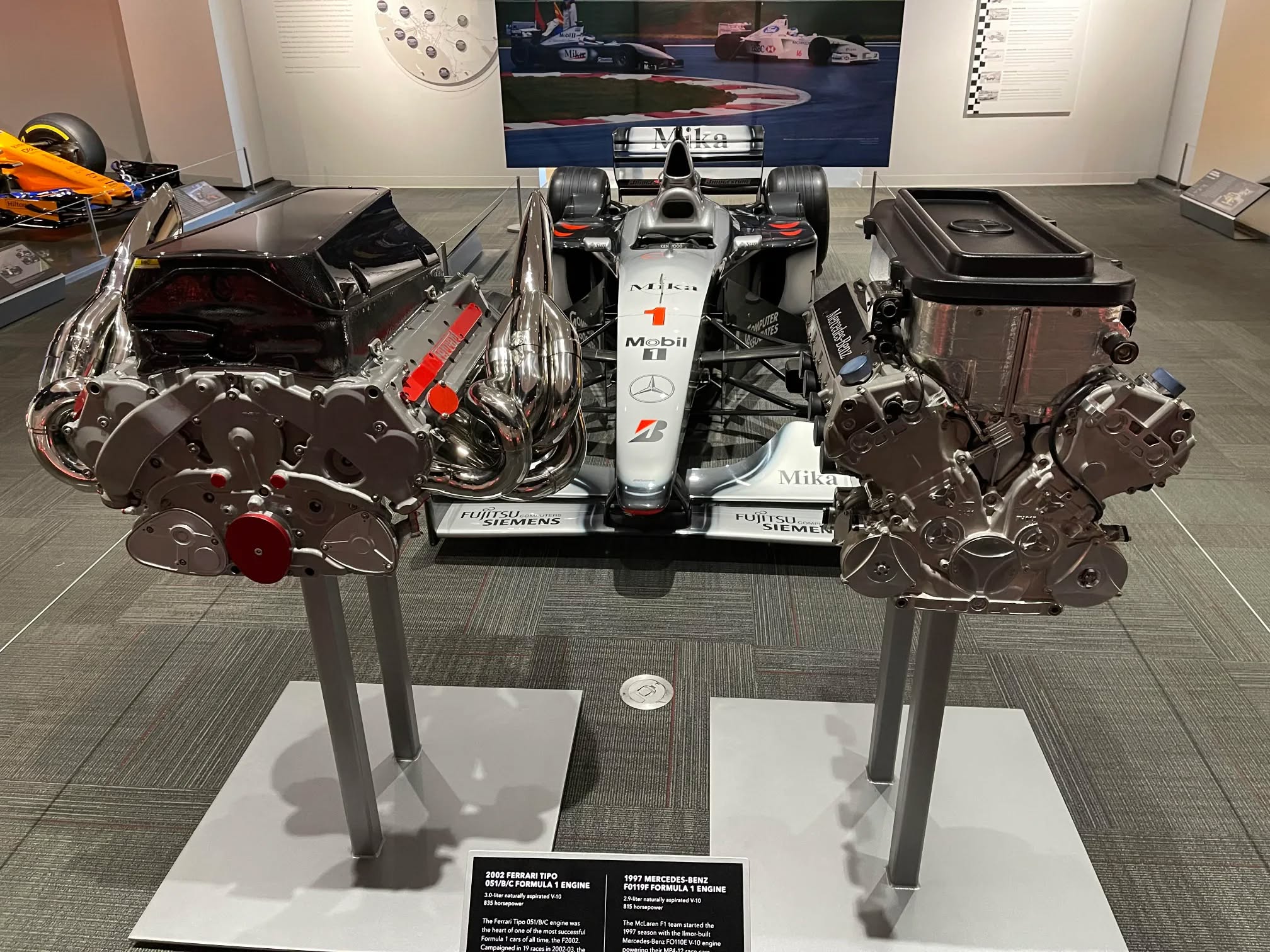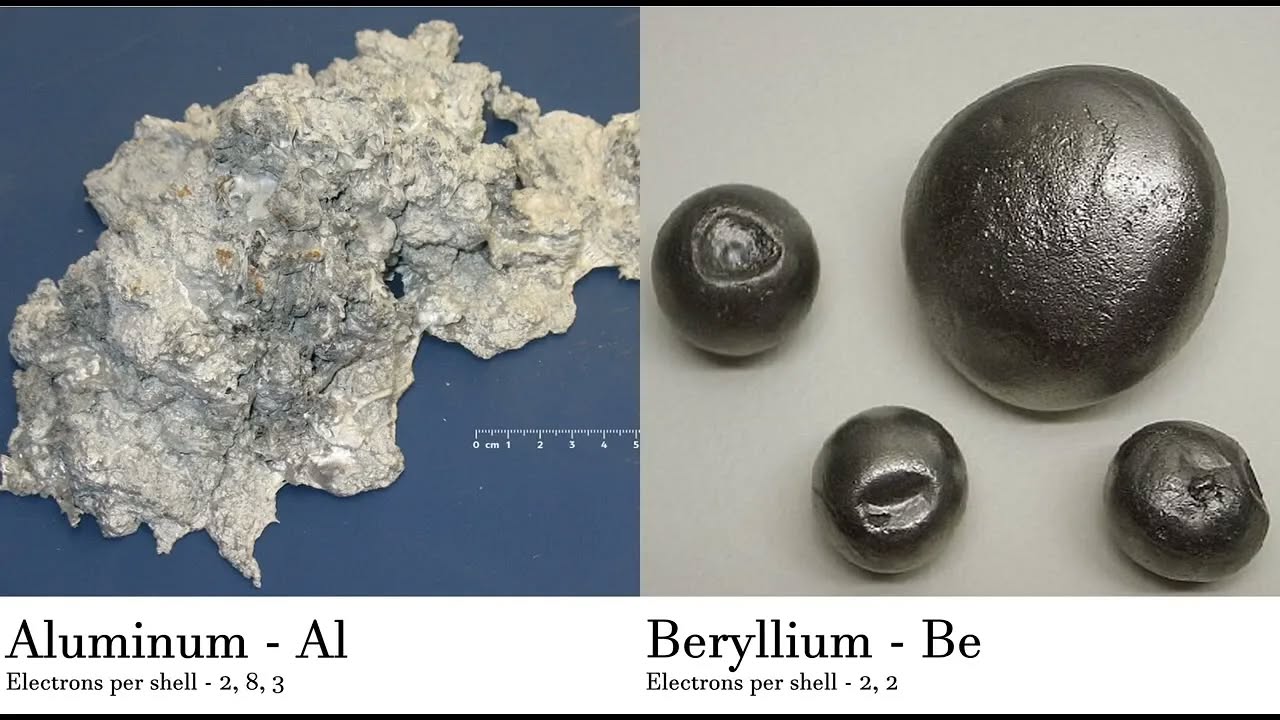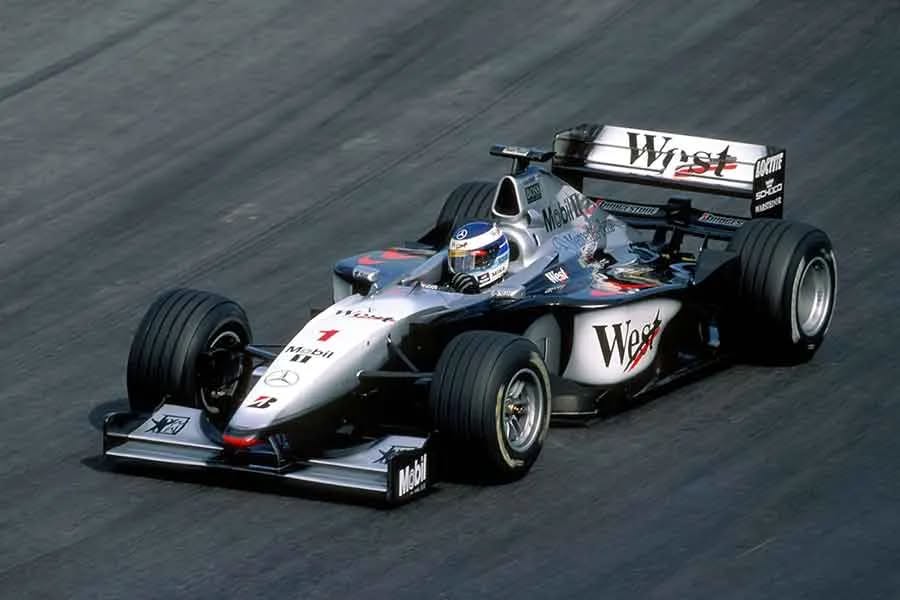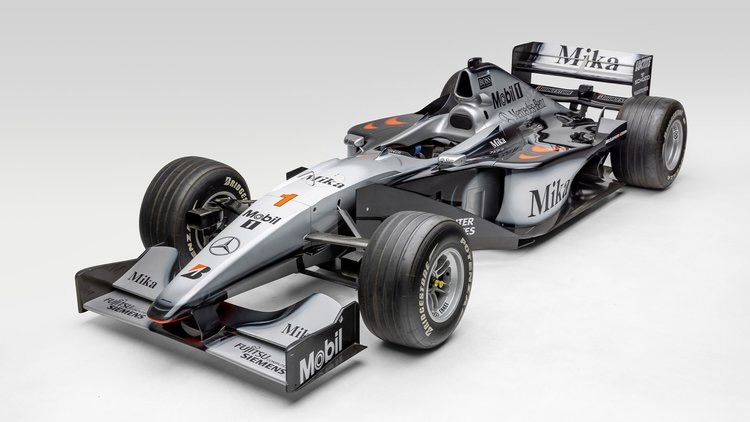
F1 has long been known for introducing exotic materials to motorsport and accelerating their development. Carbon fiber and titanium are now staples, and even depleted uranium had a brief appearance. But one of the most promising materials to hit the F1 grid was the aluminum-beryllium alloy. Within just two seasons, it was banned.
In the late 90s, teams were searching for alternatives to traditional aluminum pistons.
The goal was to raise engine revs, reduce reciprocating mass, and improve thermal stability to push the limits of performance. Engineers had long used RR58, a Rolls-Royce-developed alloy originally used in WWII-era Merlin aero engines, which had become the go-to material for racing pistons. But aluminum-beryllium alloys changed the game.
The key advantage was weight. Teams were able to reduce piston mass from around 230 grams to 170 grams, a massive leap.
Lighter pistons meant less stress on the bearings and allowed teams to safely push higher rev limits. The alloy's stiffness and lower coefficient of thermal expansion also meant pistons held their shape better across a wide range of temperatures, allowing tighter tolerances and improved efficiency. It even allowed the use of smaller, stiffer piston skirts, reducing friction.
Beryllium was also used in brake calipers, providing increased stiffness and lower weight.
Drivers appreciated the improved pedal feel and responsiveness, while engineers loved the weight-saving gains.
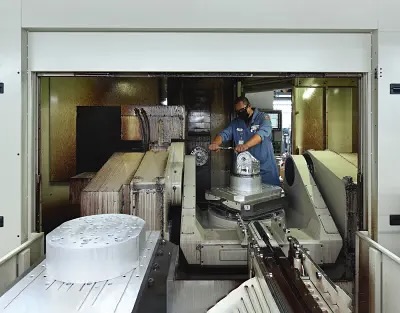
However, beryllium is hazardous during manufacturing. Though stable in solid form, inhaling its dust during machining can raise the risk of lung cancer. To manage this, companies like Ilmor obtained government certification and used diamond tooling with advanced filtration and dust extraction systems.
Despite the danger during production of beryllium, the risk of inhalation during a crash was considered negligible, as the material remains stable unless finely machined. In other words, the average on-track failure posed no meaningful airborne threat. Still, the required infrastructure to safely machine and handle beryllium was expensive and tightly regulated.
That said, its performance benefits were undeniable.
Beryllium pistons could last up to three times longer than aluminum ones, offsetting material and tooling costs over time. However, when a beryllium piston failed, it often shattered into fragments, making post-failure analysis difficult and delaying root-cause investigations.
So why was it banned?
Health concerns and regulatory complexity are the official reason, but the full story involved politics.
The ban was not initiated by the FIA. It came from a collective agreement among teams, some of whom did not have access to the material or the means to work with it. In F1, when only a few benefit from a breakthrough, the rest may prefer to outlaw it rather than compete.
Once beryllium was gone, piston and brake development slowed. Design cycles lengthened. Some teams were exploring even lighter, more advanced piston designs, but by that point the writing was on the wall.