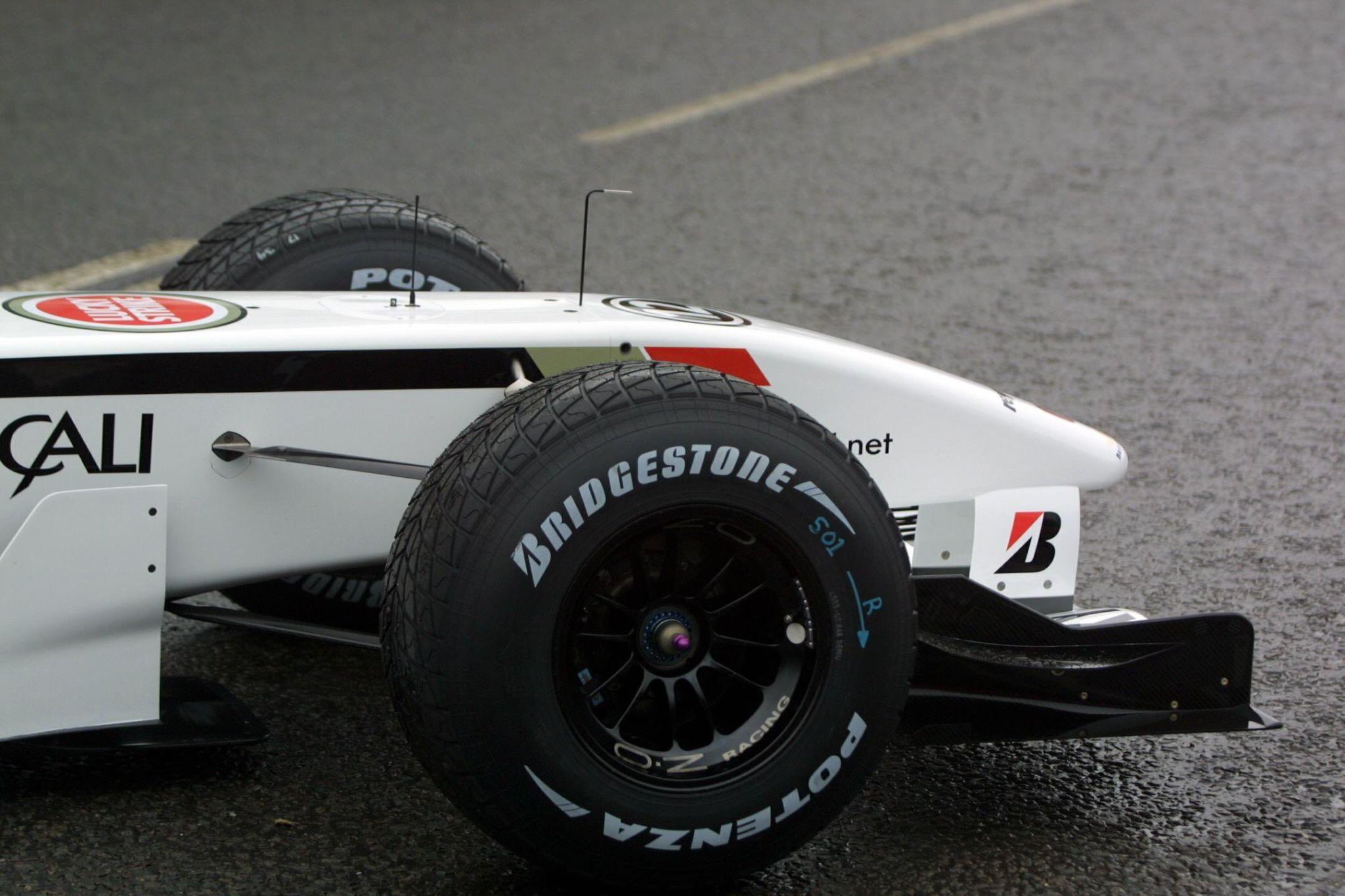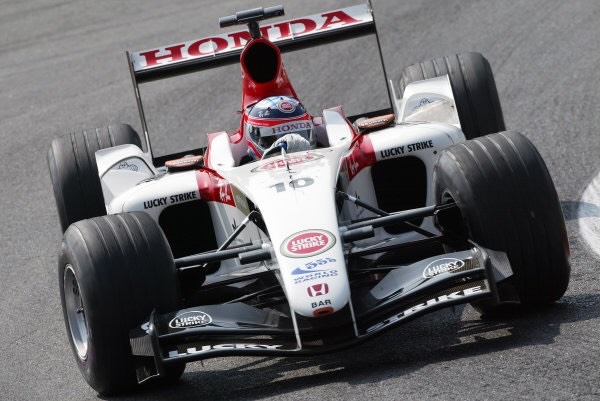
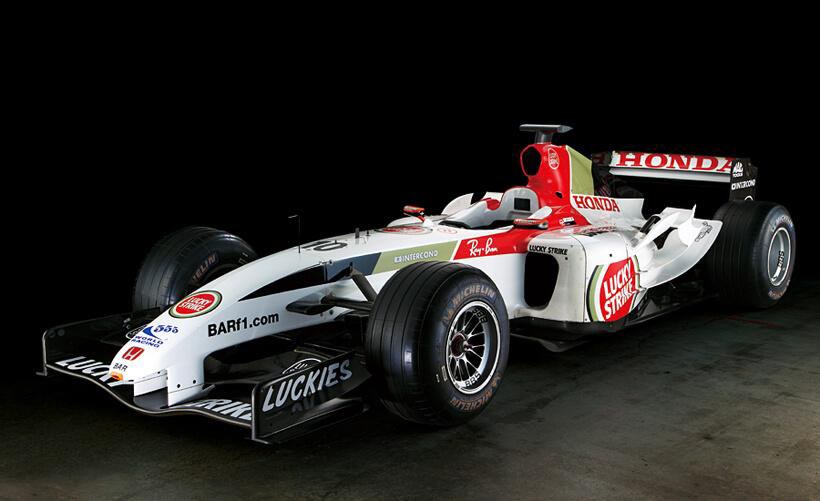
Few innovations generated more technical debate during the 2004 F1 season than BAR-Honda's Front Torque Transfer system. Mounted at the front of the chassis, the device linked the front wheels via driveshafts and transferred torque between them under braking.
By reducing the tendency of the lightly loaded inside front wheel to lock under braking, drivers could brake later, carry more speed into corners, and maintain a tighter line.
On circuits that rewarded aggressive trail braking, engineers estimated the system could be worth as much as three tenths of a second per lap. However, those gains came at a cost. The differential was large and heavy, requiring substantial chassis modifications and a longer wheelbase than designers preferred. The exposed driveshafts also created an aerodynamic penalty, meaning the system had to deliver a clear advantage to justify its installation.
Despite the added weight and complexity, BAR believed the gains outweighed the drawbacks. The system proved effective enough to attract the attention of rival teams and the FIA.
The controversy centered on BAR's original design, which used an electro-hydraulic, software-controlled mechanism to transfer torque between the front wheels. Because it relied on electronic and hydraulic inputs while braking, competitors argued that it effectively functioned as an active braking aid.
As scrutiny intensified during the 2004 German Grand Prix weekend, BAR was forced to abandon the electro-hydraulic version. The team responded by developing a passive mechanical alternative that achieved the same objective without electronic or hydraulic control. This revised system was deemed legal by the FIA and remained in use.
However, the system’s future remained uncertain. With rival teams investigating similar concepts, development costs rising, and support growing for a ban, BAR ultimately abandoned the technology as part of a unanimous agreement among the F1 teams.
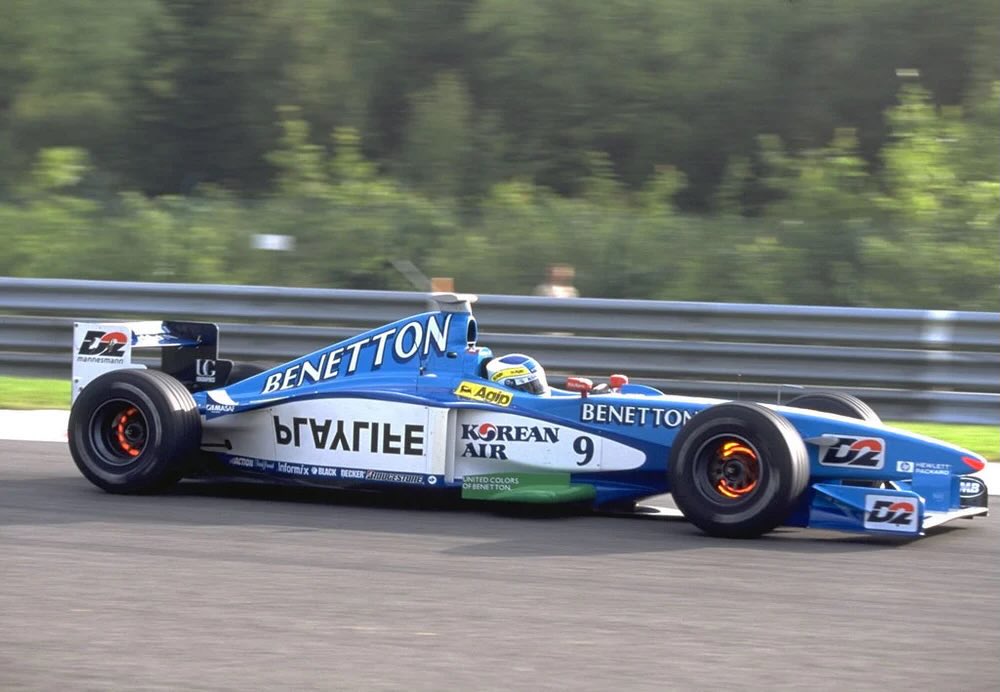
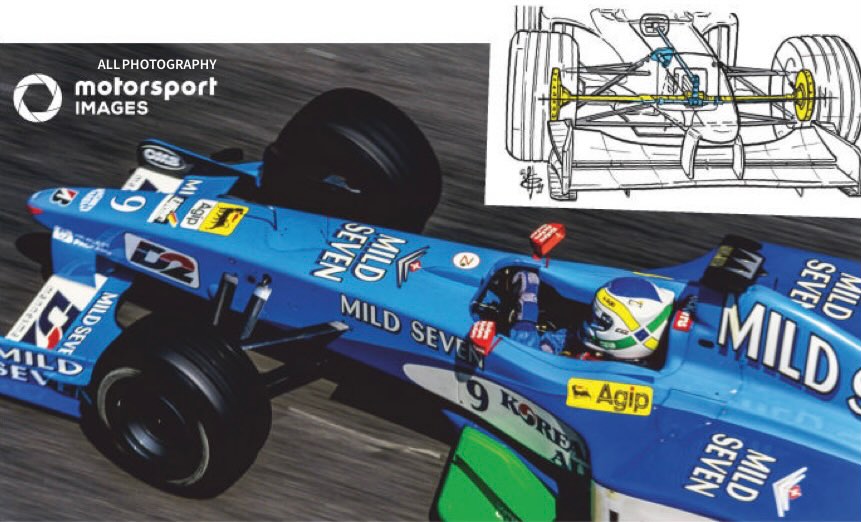
Although BAR’s version became one of the most talked-about innovations of 2004, the concept itself had been explored years earlier by Benetton. The team first tested a similar system in 1998 before introducing it on its 1999 challenger.
Working with GKN and Xtrac, Benetton linked the front wheels through a viscous coupling, allowing a controlled amount of wheel-speed difference before progressively transferring torque to the slower wheel. The benefits were significant, but the idea lived in the same uneasy space as many clever F1 systems: technically fascinating, politically vulnerable, and eventually too expensive to leave alone.