Back in the early 1990s, Toyota was looking for a way around the inherent compromises of the MacPherson strut. As tire grip increased and front-wheel-drive performance cars grew more powerful, the limitations of the simple strut layout became harder to ignore.
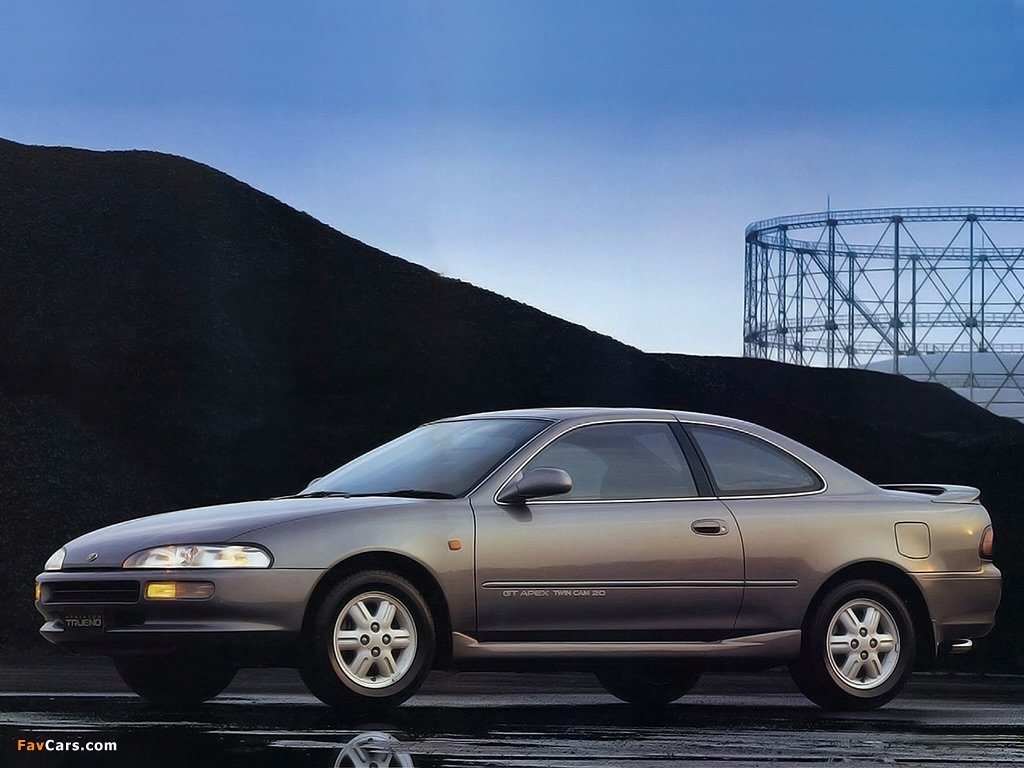
Toyota's answer was Super Strut, introduced around 1991 on the AE101 Corolla Levin and Sprinter Trueno before seeing use on more performance-focused Celicas.
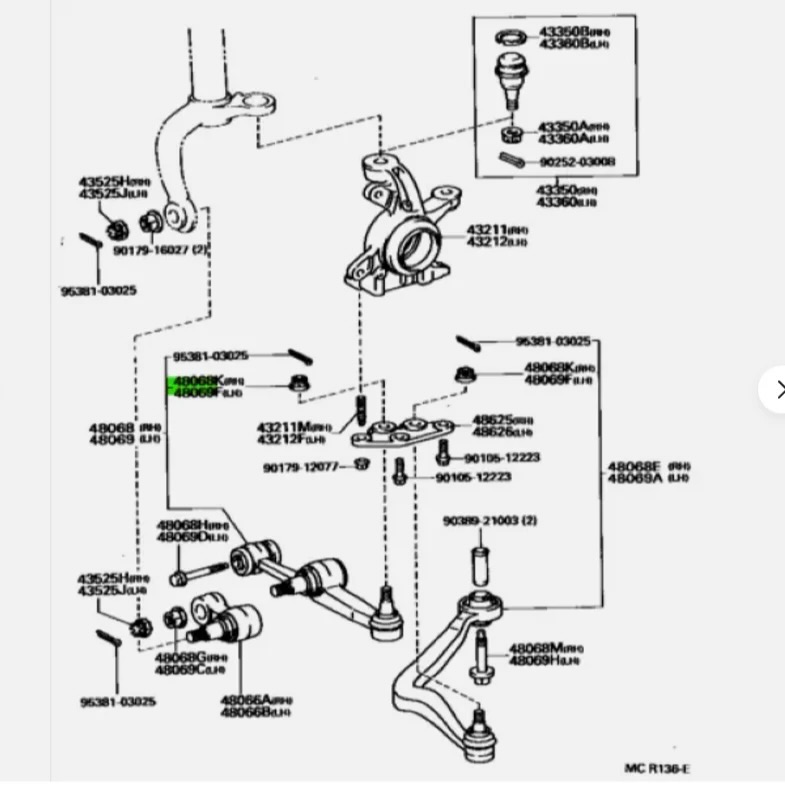
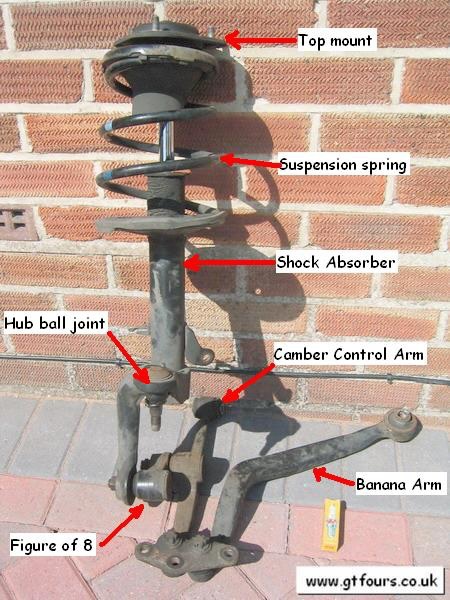
While it retained the basic outline of a strut system, Super Strut was far more complex. An upper ball joint, a double-joint lower arm, and a dedicated camber control arm created a true steering axis and significantly reduced spindle offset.
The aim was to control camber and reduce scrub radius, improving steering feel, grip, and response. The result was less torque steer, lower steering effort under power, and more consistent tire contact during cornering and lane changes.
In effect, Toyota was chasing many of the advantages of a double-wishbone layout while keeping a strut-based architecture.
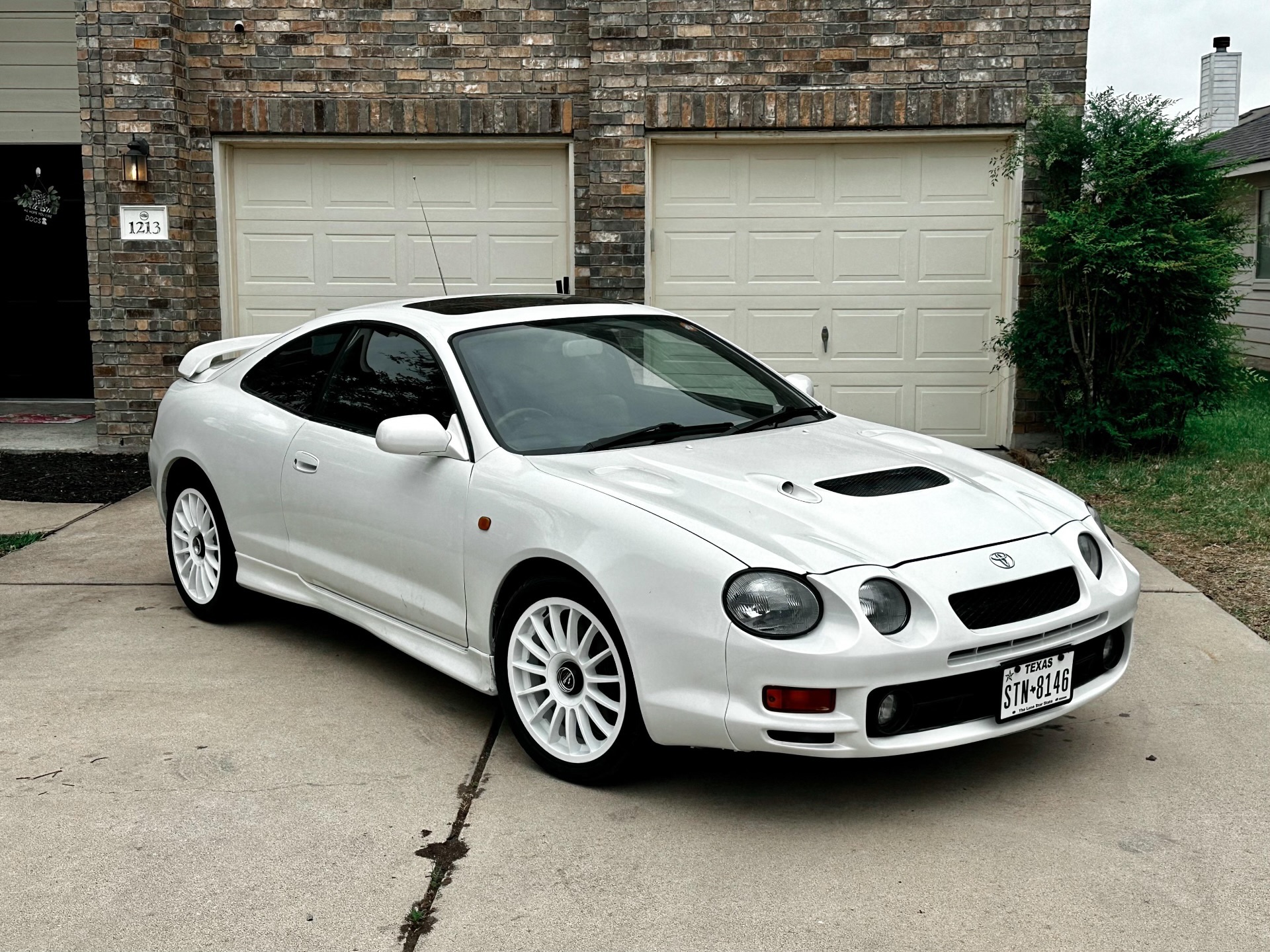
The system was reserved for Toyota's more performance-focused models. Its most famous application was the ST205 Celica GT-Four, but Super Strut also appeared on select Japanese-market Corollas and higher-spec front-wheel-drive Celicas such as the SS-II and SS-III. In Europe, it was fitted to the Celica ST202 and offered as an option on certain trims.
It was never intended as a mass-market solution, but rather as a technical showcase. On the road, Super Strut delivered exactly what Toyota promised: improved steering precision and better grip at the limit.
The tradeoff was complexity. The system added weight, raised production costs, demanded more maintenance, and proved less forgiving on rough roads than simpler struts. In motorsport and everyday use, those drawbacks limited its appeal.