The Ford Focus Mk1 marked a turning point in the compact car segment. While its bold New Edge design helped it stand out, it was the car's driving dynamics that erased the negative legacy of its Escort predecessor. At the core of this transformation was a complete rethink of chassis engineering.
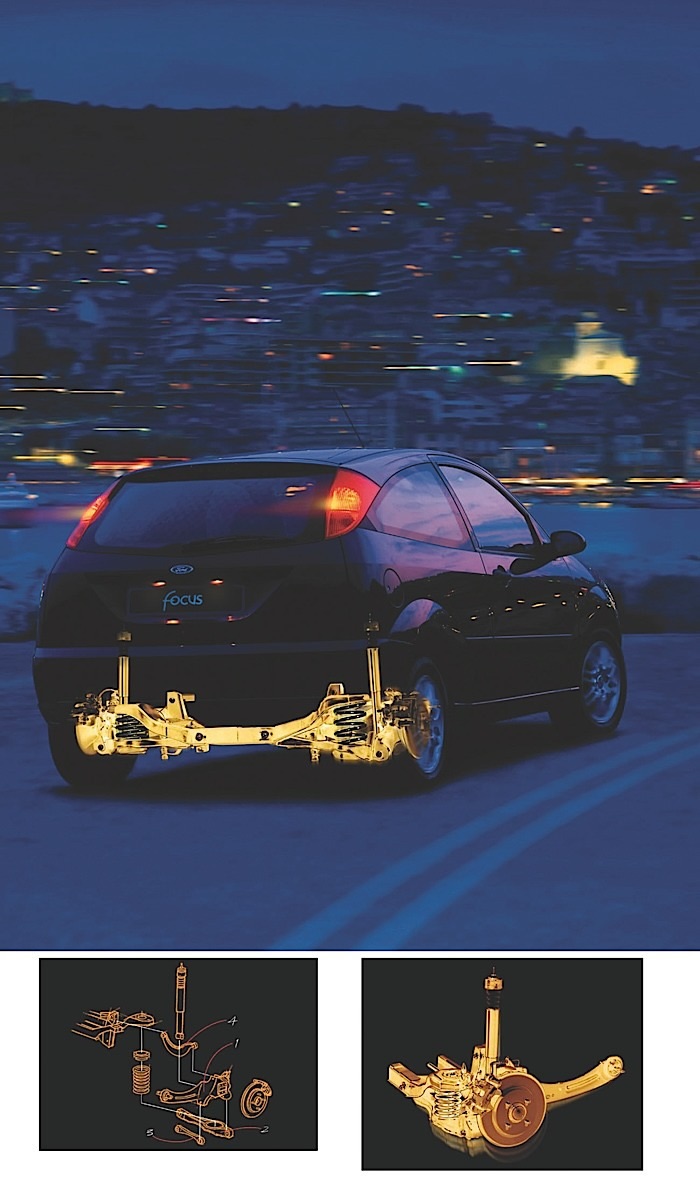
Under the leadership of Richard Parry-Jones, Ford developed a class-leading independent rear suspension that delivered an exceptional balance of ride comfort and handling precision.
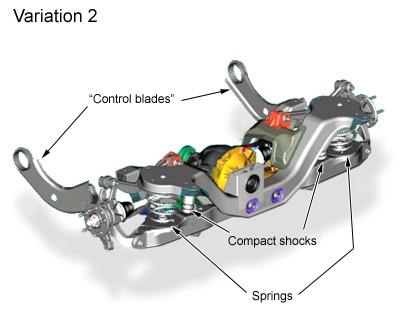
The system achieved strong elasto-kinematic control, managing how suspension components deform under load to maintain optimal wheel alignment beyond static geometry. Known as the Control Blade suspension, the design was a cost-effective evolution of a multi-link layout.
Instead of multiple separate longitudinal links, it used a wide pressed-steel trailing arm combined with the hub carrier, replacing several components and reducing complexity. This allowed the Focus to deliver the composure and control of a multi-link system at a cost suitable for the segment.
The result was sharp steering, excellent body control, and a composed ride across varied road conditions while setting a new benchmark for compact cars.
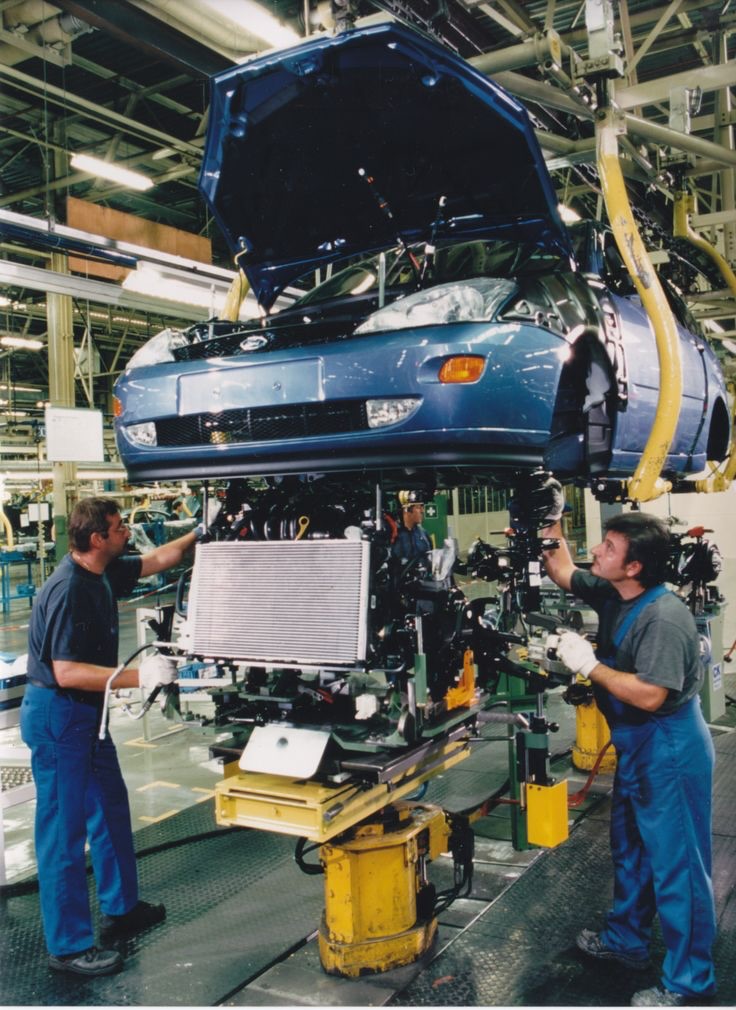
However, bringing this system to production was not without resistance. The added cost, roughly $50 per car, was significant for a mass-market vehicle. Despite this, the engineering team pushed forward, confident that no torsion-beam alternative could match the same combination of ride comfort, refinement, and handling.
The decision was ultimately a long-term investment: while customers might not immediately recognize the engineering, they would experience the difference and value it.