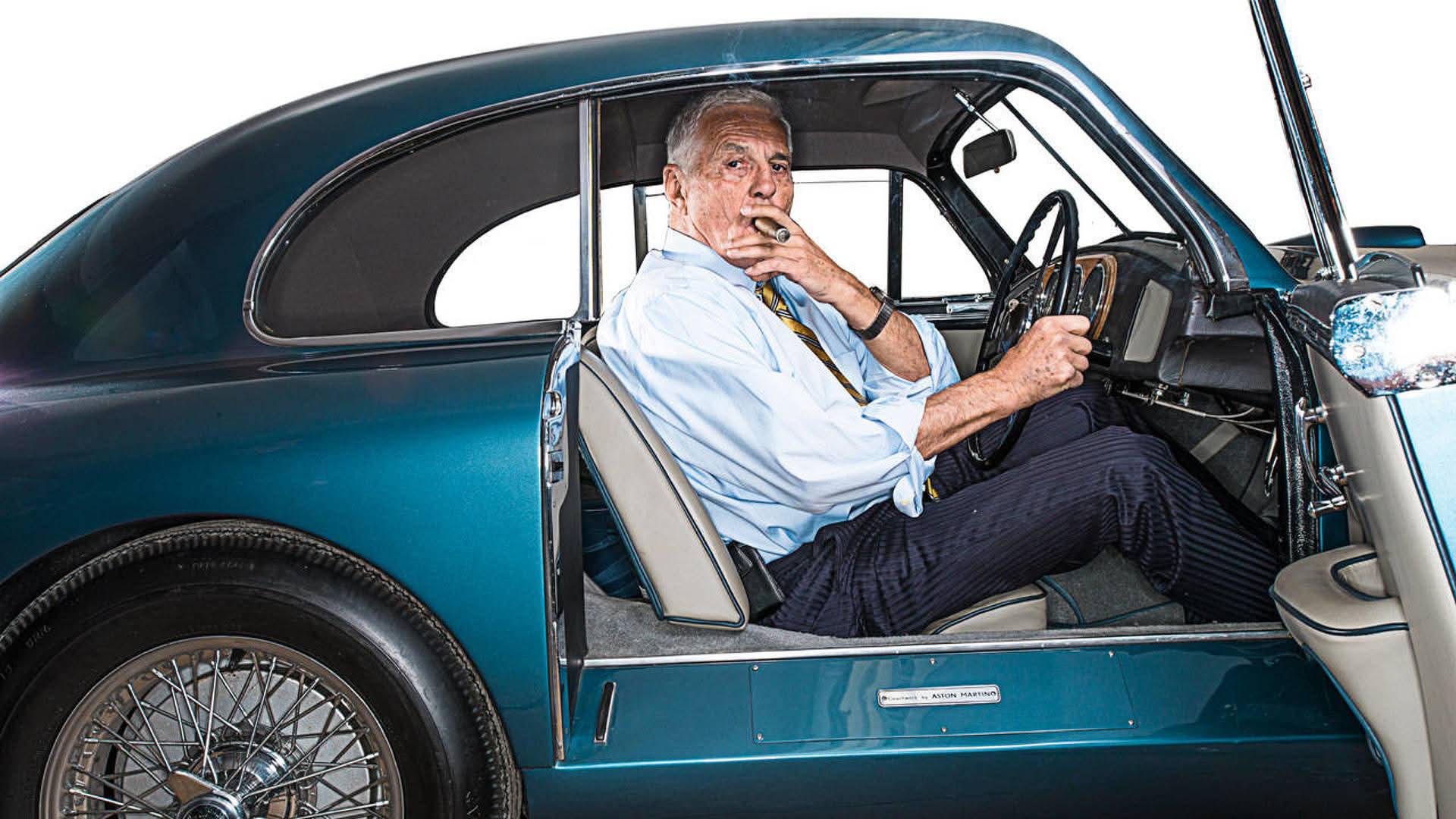
“If you have a strong personal belief in the superiority of the product, it’s easy to convey that to the customer.” That philosophy followed Bob Lutz through one of the most remarkable careers in the automobile industry.
Ironically, he first learned it selling Hoover vacuum cleaners in California. He also received an early lesson in corporate politics after outselling the shop owner’s son ten to one. “I learned that, if you perform too well in any job, it’s going to engender hostility from those who perform less well.”
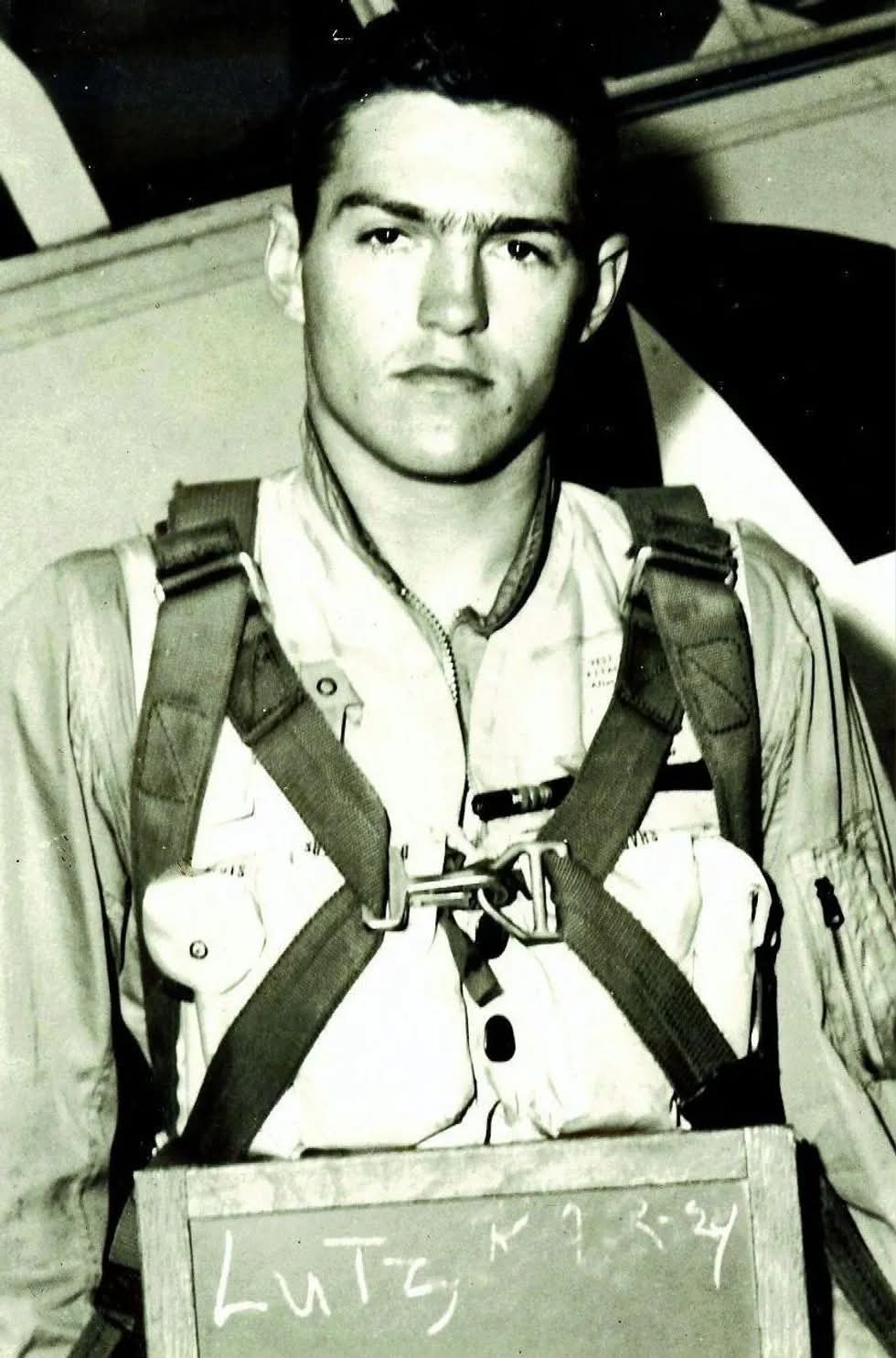
Born in Zürich in 1932, Lutz moved to America as a child, served in the US Marine Corps and saw action in Korea. His automotive career began with GM in 1963, where his fluency in German and French eventually took him to Opel.
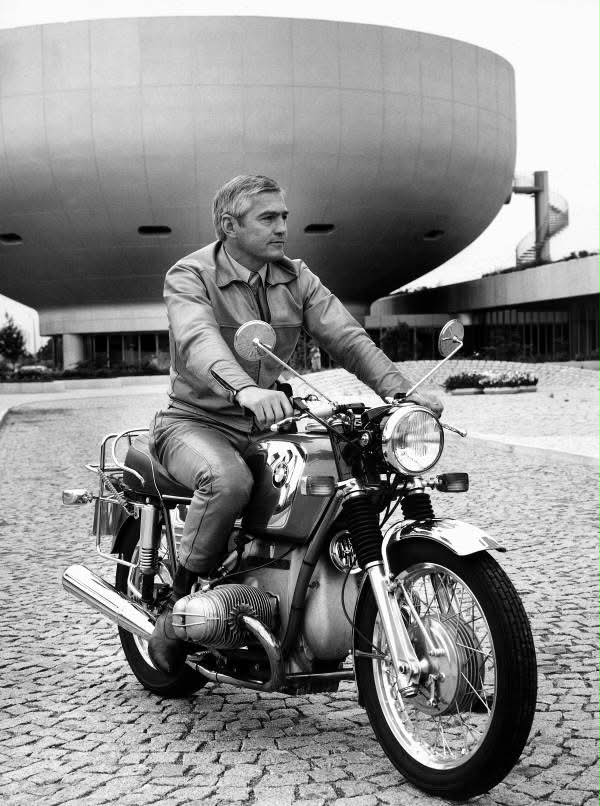
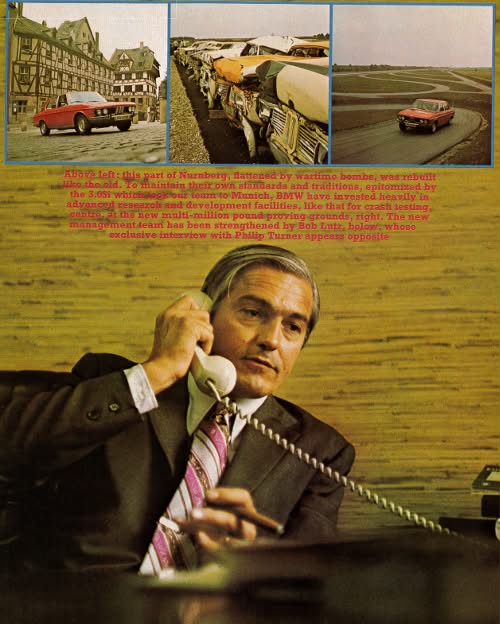
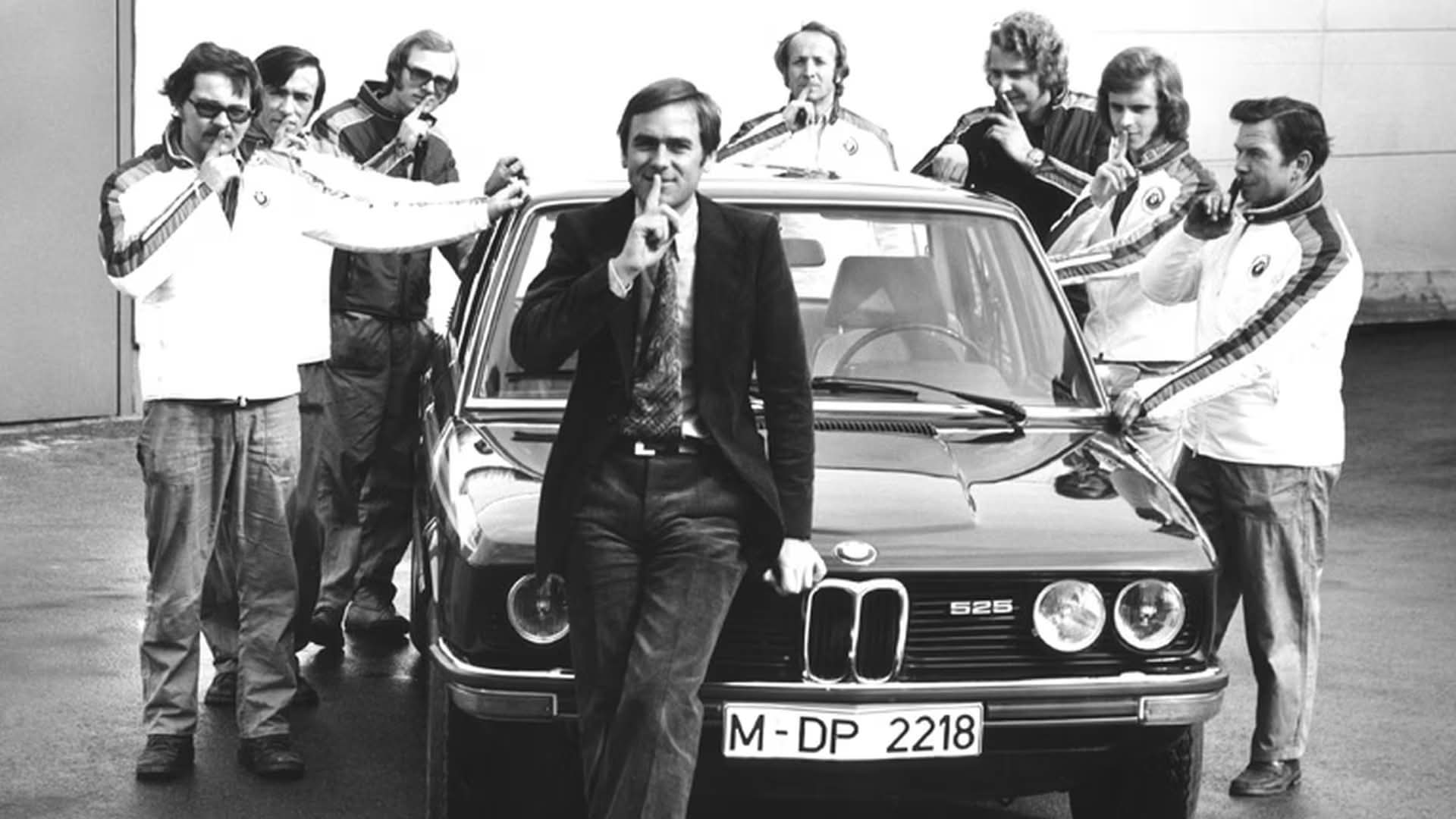
His next move, to BMW, would prove far more consequential. As executive vice president of sales and marketing, Lutz pushed BMW to establish its own sales operations outside Germany and even helped prevent the company from replacing its famous roundel.
But his biggest impact came in design. When Lutz saw the proposed successor to the 1602, he thought it was an “aesthetic disaster.” BMW’s engineering-led design process didn’t even use clay models, so Lutz persuaded CEO Eberhard von Kuenheim to establish a proper design studio. With help from his former colleagues at Opel, BMW acquired clay, wooden armature expertise and even sculptors. As Lutz later joked: “The entire BMW design group was set up by GM.”
He also helped reshape BMW Motorsport. With Ford’s Capri dominating touring-car racing, Lutz recruited Jochen Neerpasch from Ford, gave him considerable autonomy and a generous budget. Neerpasch would go on to establish BMW Motorsport GmbH.
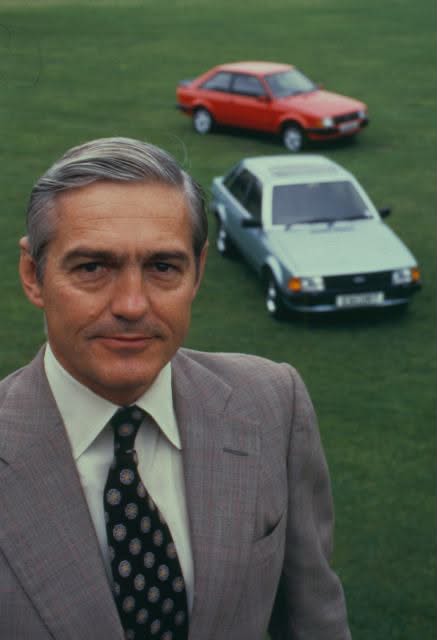
Lutz then joined Ford of Germany, where another battle began. He pushed to restore Ford’s blue oval across the range and championed the radical Sierra. Rather than spend heavily developing an entirely new front-wheel-drive platform, Lutz argued for an aerodynamically efficient rear-drive car using existing powertrains and independent rear suspension.
British customer clinics hated it. Continental Europeans didn’t.
“We knew it was going to be a tough sell in the UK, but a smash hit in Europe,” Lutz recalled. Eventually, even Britain came around.
Back in America, the story repeated itself with the Ford Taurus and Mercury Sable. Some executives feared the radical-looking cars would fail, but Lutz trusted the polarising research. “When your new car comes out, you’re not living off an average, you’re living off people who absolutely have to have it.”
That instinct increasingly clashed with Ford’s corporate culture. Lutz described himself as a “misfit” in a company he considered too procedural. His philosophy could be summed up with one of his favourite analogies: “Bean-counters are as necessary as brakes on a car. But if you’ve got nothing but brakes and no engine or proper steering, you’re not going to go anywhere.”
Lee Iacocca eventually recruited him to Chrysler, where Lutz found the perfect opportunity to prove his point.
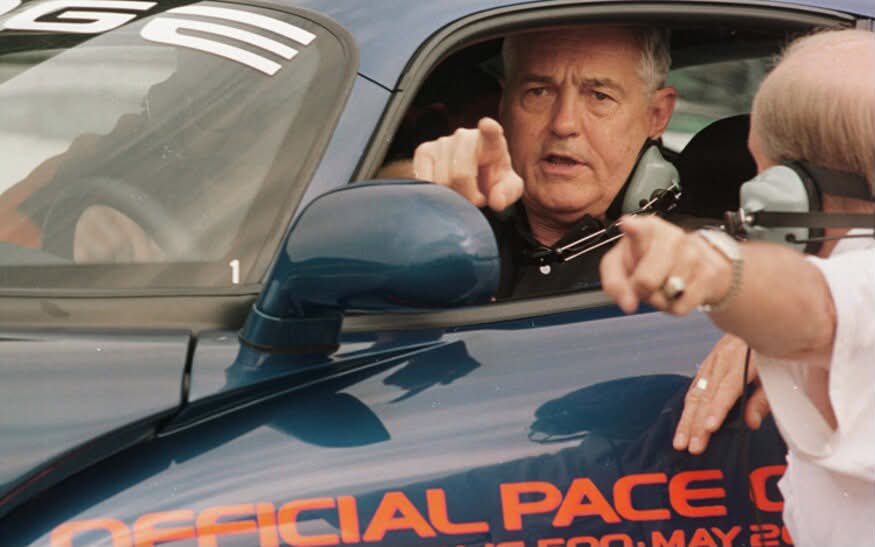
At the time, Chrysler was increasingly associated with economy cars. Lutz wanted a halo car capable of transforming its image in one stroke: the Dodge Viper. He believed spending money on an exciting product could generate publicity and desirability more effectively than conventional advertising. The Viper cost around $70 million to develop, money Lutz argued would otherwise have bought little more than a short-lived advertising campaign.
Its development also produced one of his favourite stories. Lutz repeatedly warned Chrysler engineering chief François Castaing that the Viper’s side-exit exhausts could burn occupants’ legs. Castaing thought drivers would simply have to be careful.
After testing the car, Castaing stood beside it and his polyester trousers caught fire.
He removed them and, standing in his underwear, conceded: “OK, I see your point...”
Despite his success, Lutz lost out to Bob Eaton as Iacocca’s successor. After leaving Chrysler and spending several years at Exide, he eventually found his way back to where his automotive career had begun: General Motors.
Approached about becoming a consultant, Lutz wanted something more substantial. At 70, he became GM vice-chairman with a mandate to overhaul its products.
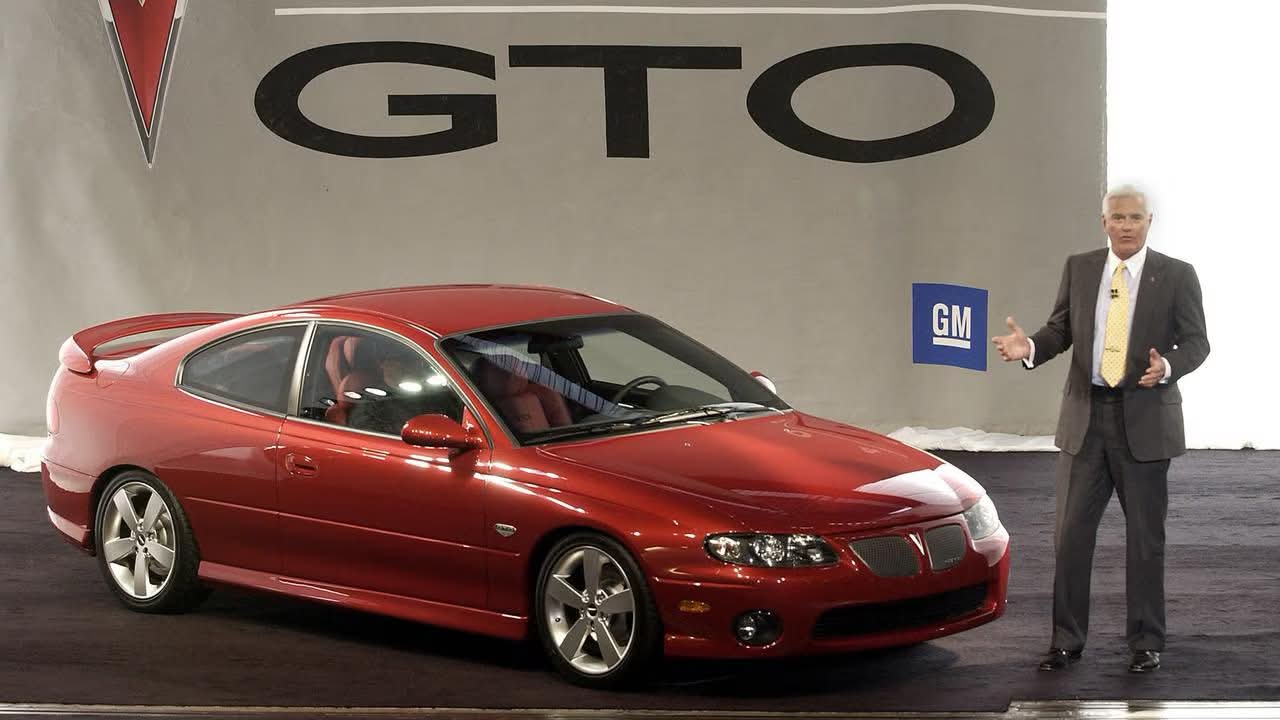
One of his early moves was bringing Australia’s Holden Monaro to America as the Pontiac GTO. The car itself mattered, but Lutz believed its greater legacy was demonstrating that GM’s international divisions could develop products for one another rather than operate as isolated companies. As he put it, GM wasn’t really one global automaker, it was a collection of independent companies.
He also pushed GM back toward emotionally desirable products. The Pontiac Solstice became another expression of his belief in halo cars. To Lutz, executives who demanded every individual vehicle programme make money were missing the bigger picture: a memorable car could transform how people viewed an entire brand.
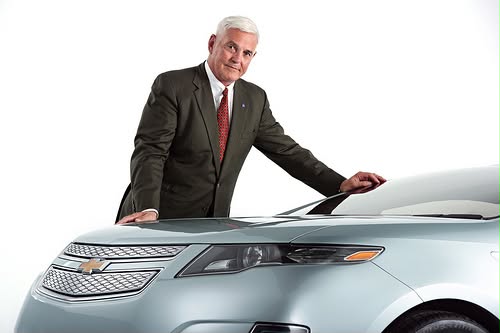
Then came perhaps the most unlikely project associated with a man famous for cars like the Viper: the Chevrolet Volt.
Lutz knew the electrified Volt would struggle to justify its investment purely through profits, but believed its technological and reputational value made it worthwhile. Of all the cars he helped create, it became one of his proudest.
“Every other car was a better version of what somebody had done before, but the Volt was new - the technology, the software, the motors, the battery, the integration; even the tyres were new.”
Across GM, BMW, Ford and Chrysler, Lutz repeatedly found himself fighting committees, accountants and established thinking. Sometimes he won, sometimes he didn’t. But the philosophy remained remarkably consistent from selling vacuum cleaners to shaping some of the automobile industry’s most memorable cars.
His advice after decades in the business was equally simple:
“If you want to be successful, you have to have a passion for cars and a burning desire to make a contribution to building better automobiles. You gotta have a love of the product.”