By the mid-1980s, Lee Iacocca had helped pull Chrysler back from the brink, but the company still had an image problem.
Chrysler was seen largely as a blue-collar brand, and Iacocca wanted to change that with a two-seat roadster offering Mercedes-like prestige without the Mercedes price.
For help, he turned to an old friend: Alejandro de Tomaso.
The two had known each other since Iacocca’s Ford days, when the De Tomaso Pantera was sold through Lincoln-Mercury dealers. By the 1980s, De Tomaso controlled Maserati, which badly needed investment.
The timing seemed perfect. Chrysler wanted Italian prestige; Maserati needed money.
In 1984, the companies agreed to create what became the Chrysler TC by Maserati, with Chrysler also investing in Maserati. Iacocca hoped it would become a halo car capable of lifting Chrysler’s image.
But things quickly became complicated.
Development was hit by quality and assembly problems, helping delay the car for nearly three years. The TC was unveiled at the 1986 Los Angeles Auto Show, but wouldn't reach customers until 1989.
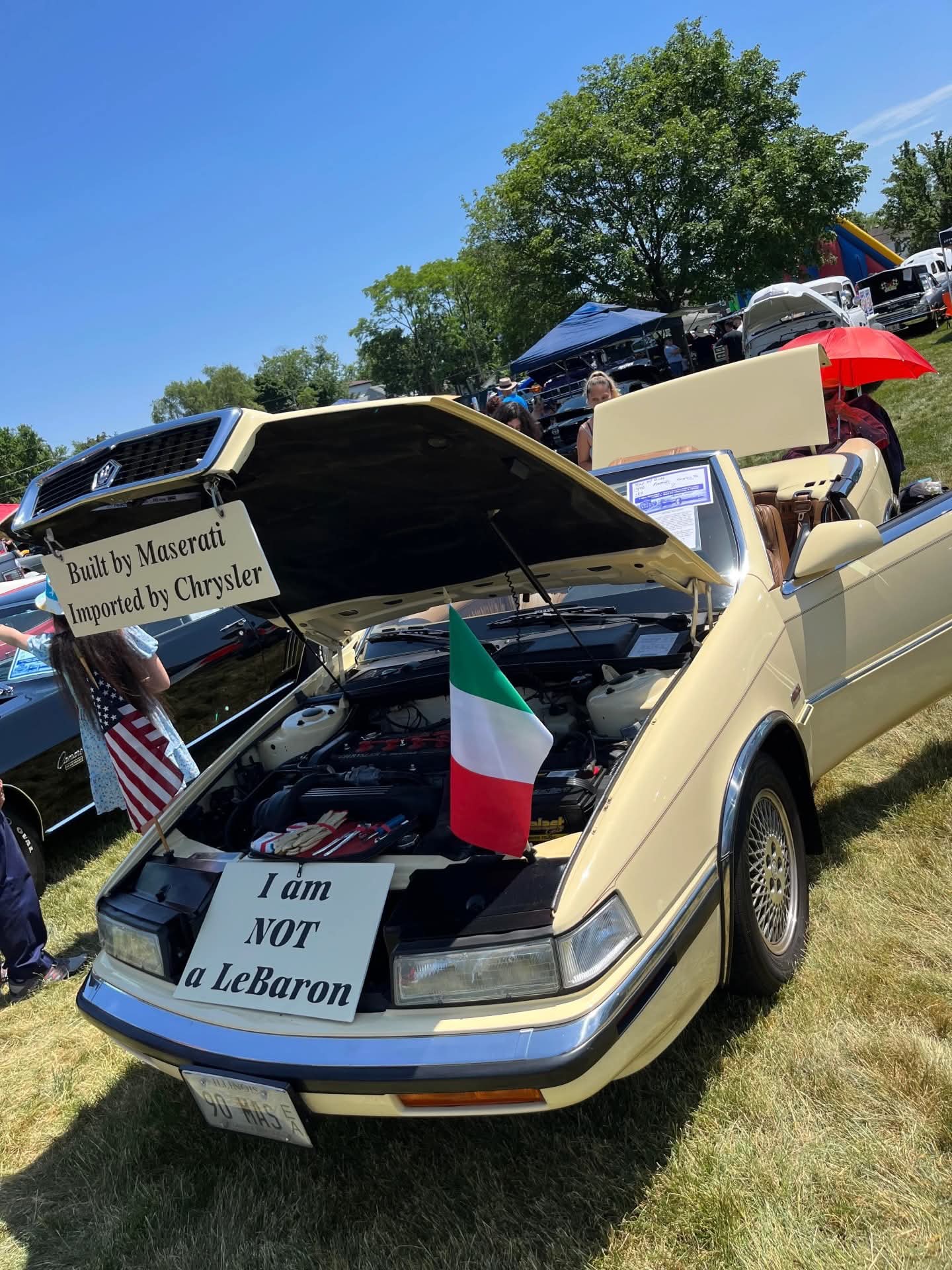
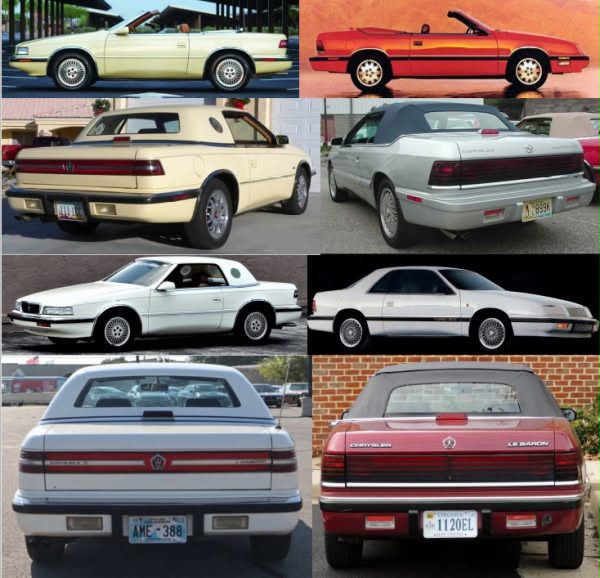
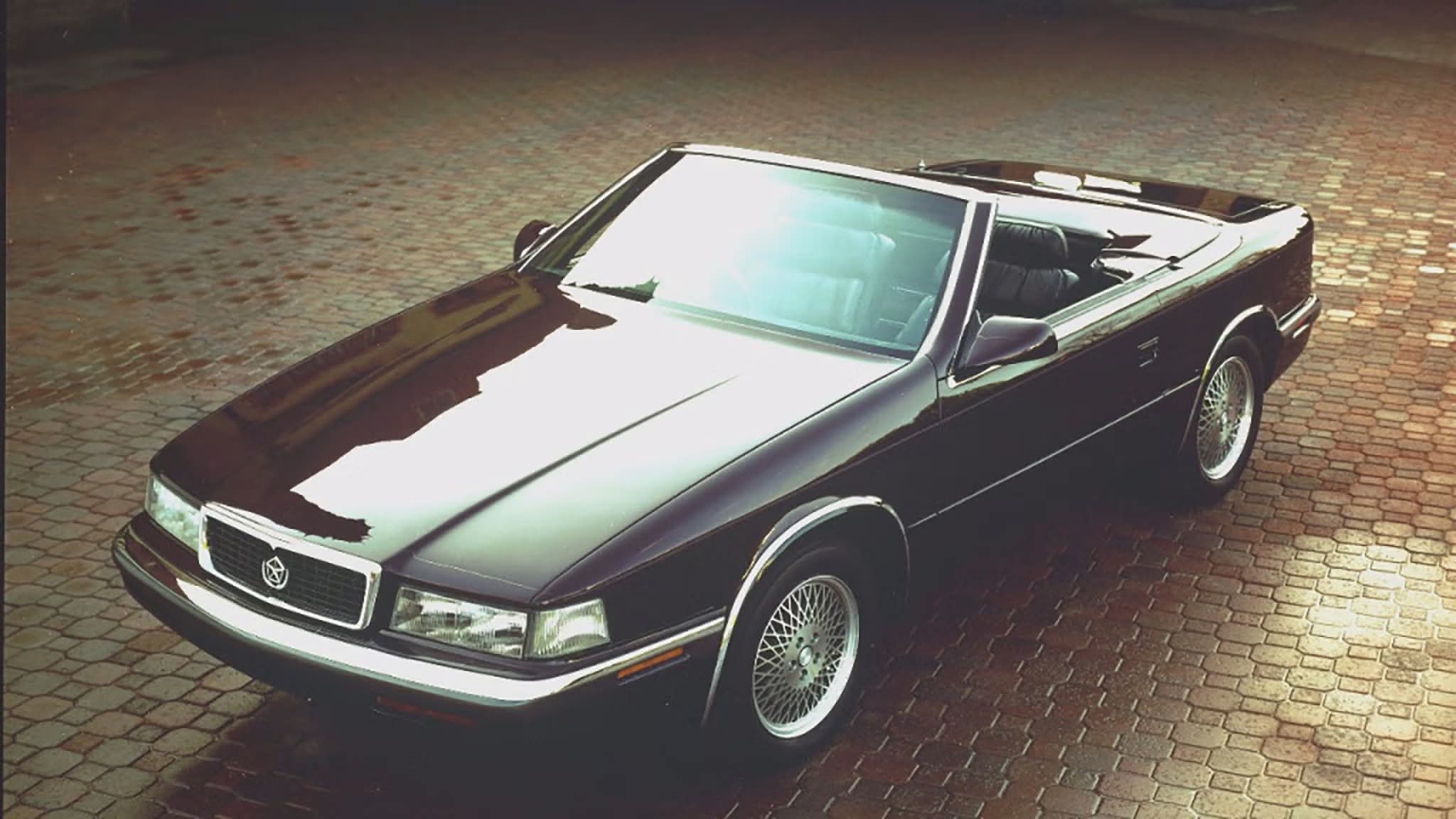
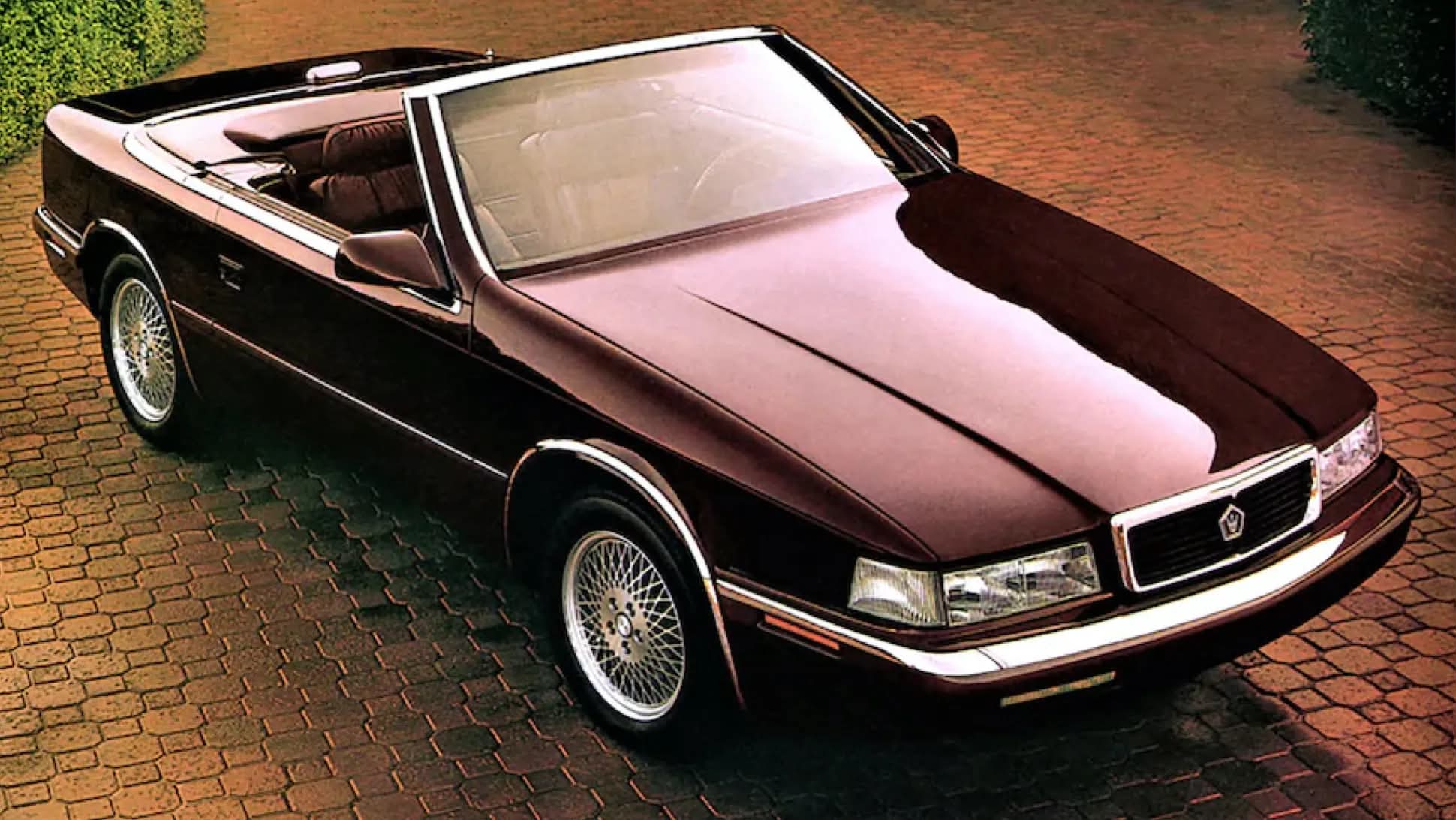
That delay proved disastrous. The TC was meant to arrive before Chrysler’s new LeBaron convertible, but instead the LeBaron reached showrooms first. By the time the far more expensive TC appeared, it looked remarkably similar to a Chrysler customers had already been seeing for two years.
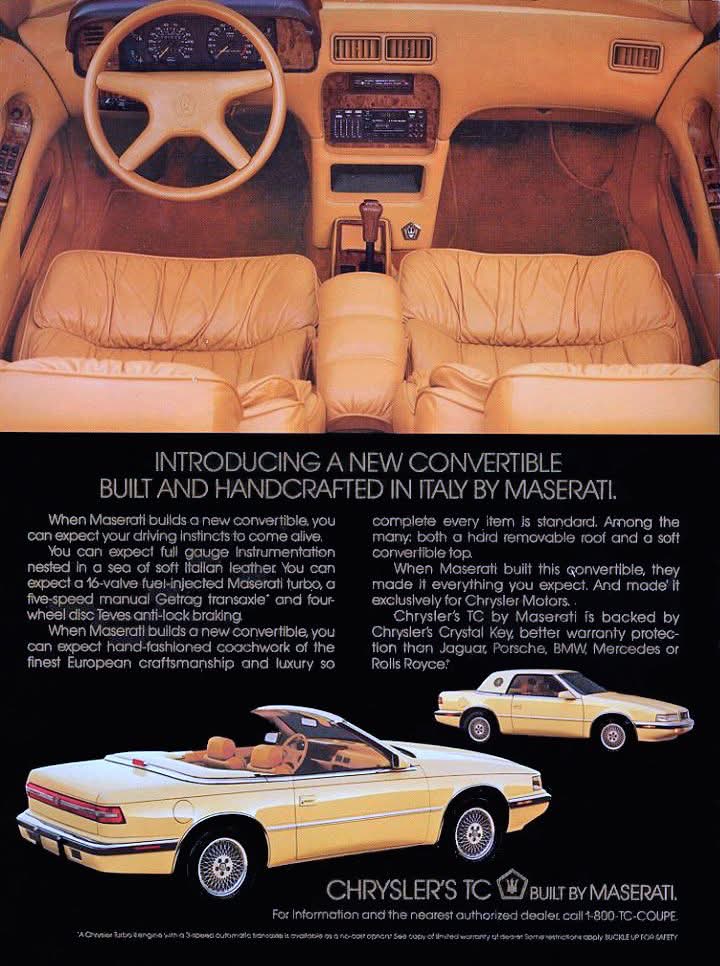
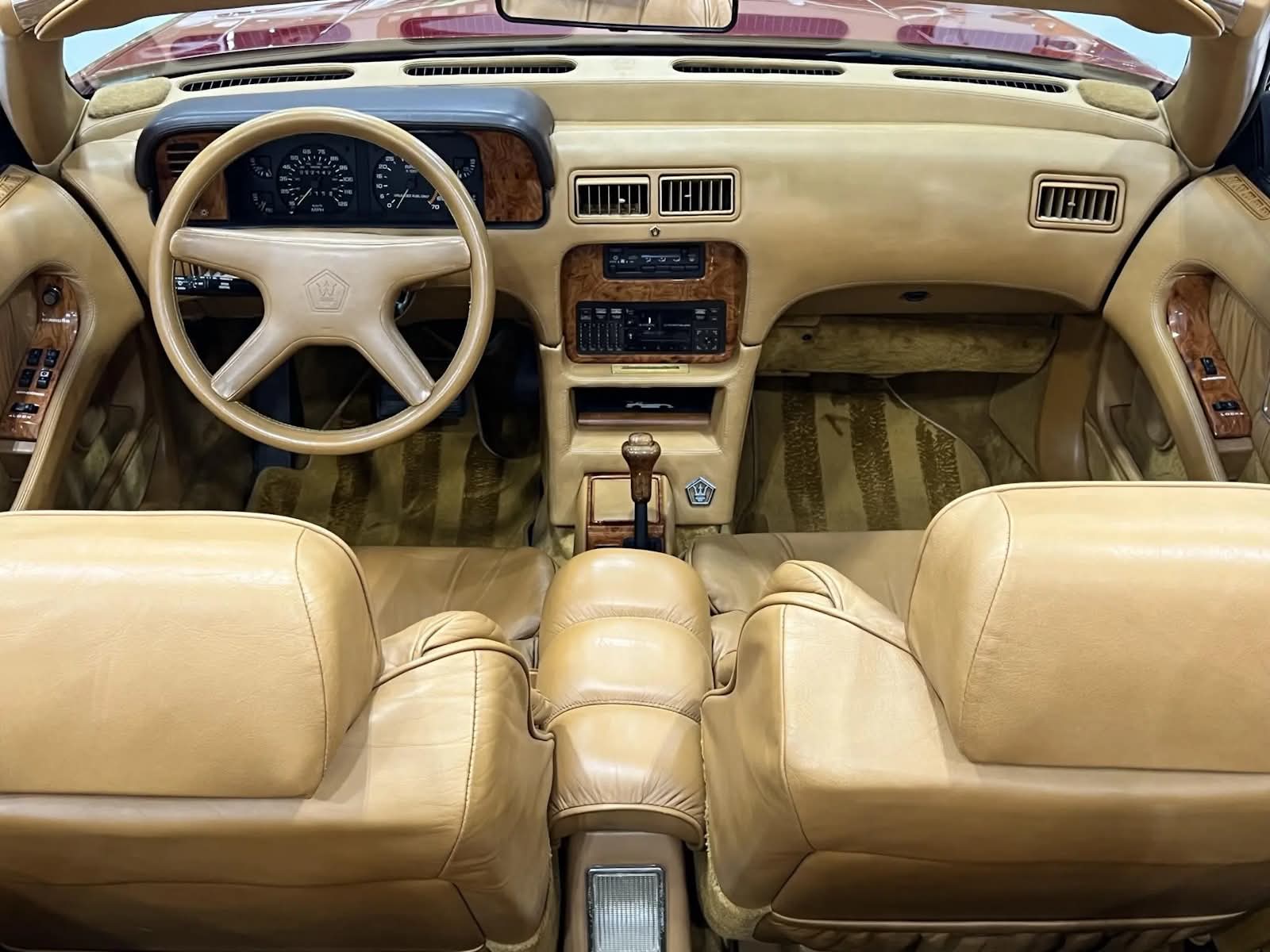
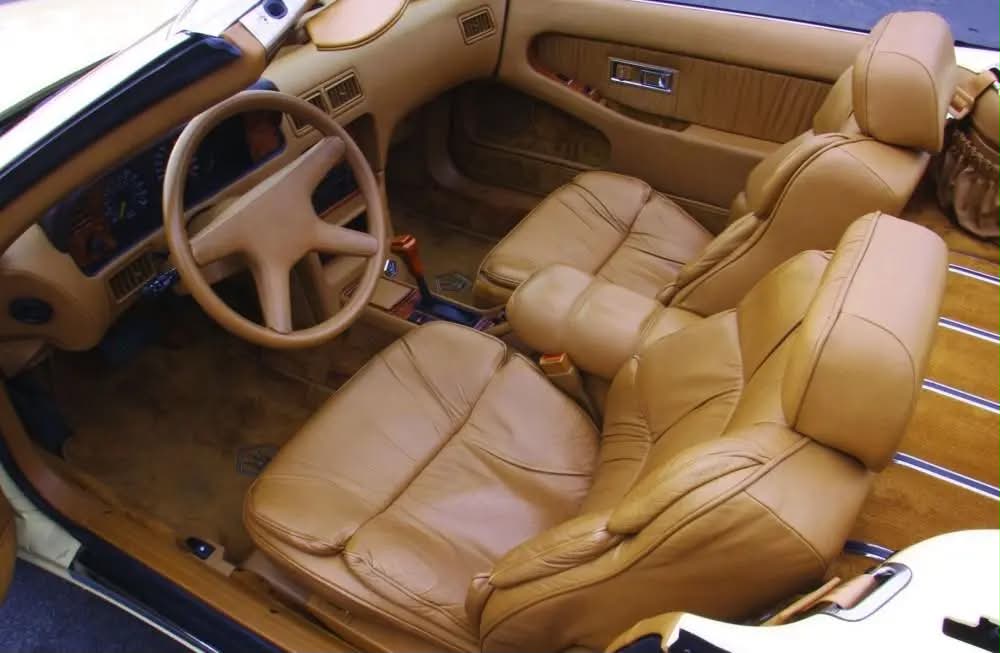
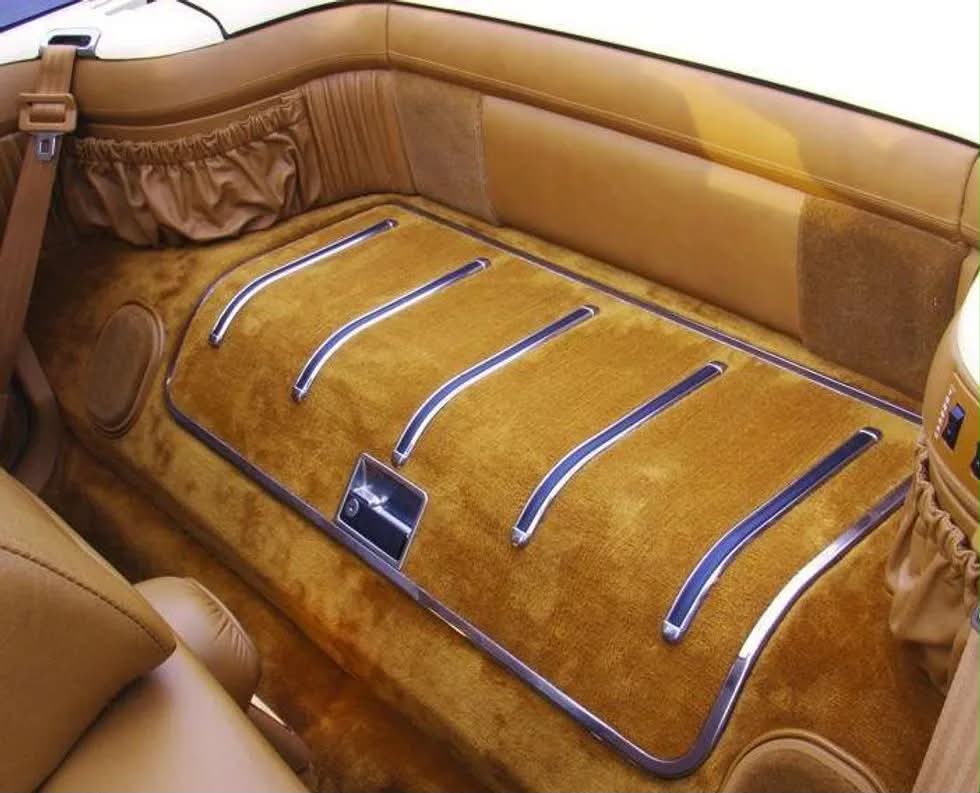
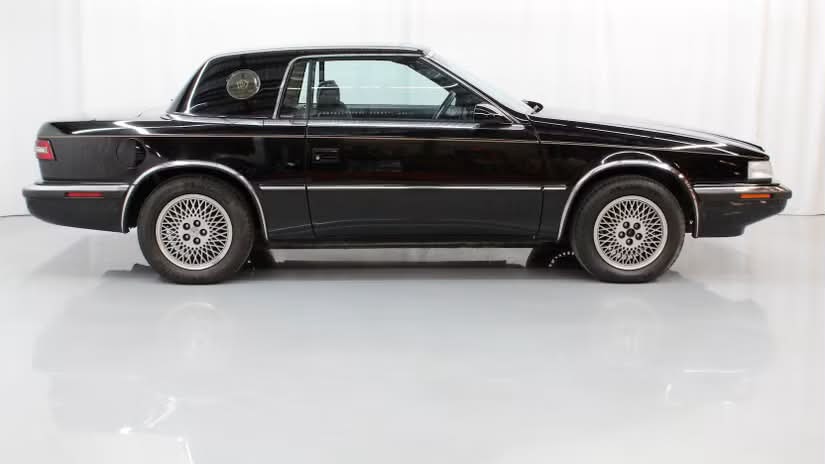
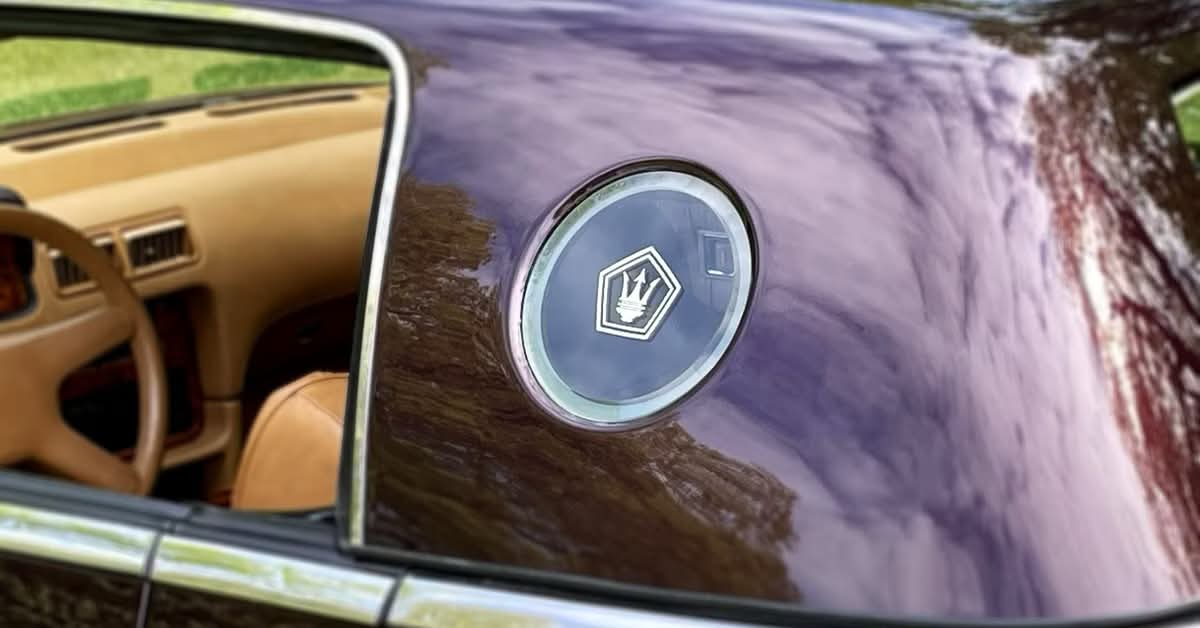
Underneath, however, the TC was more than a rebadged LeBaron. It used a shortened and modified version of Chrysler’s front-wheel-drive architecture and was assembled in Milan, with Italian-made bodywork, extensive hand-stitched leather and a removable hardtop with distinctive opera windows.
The powertrains were equally unusual.
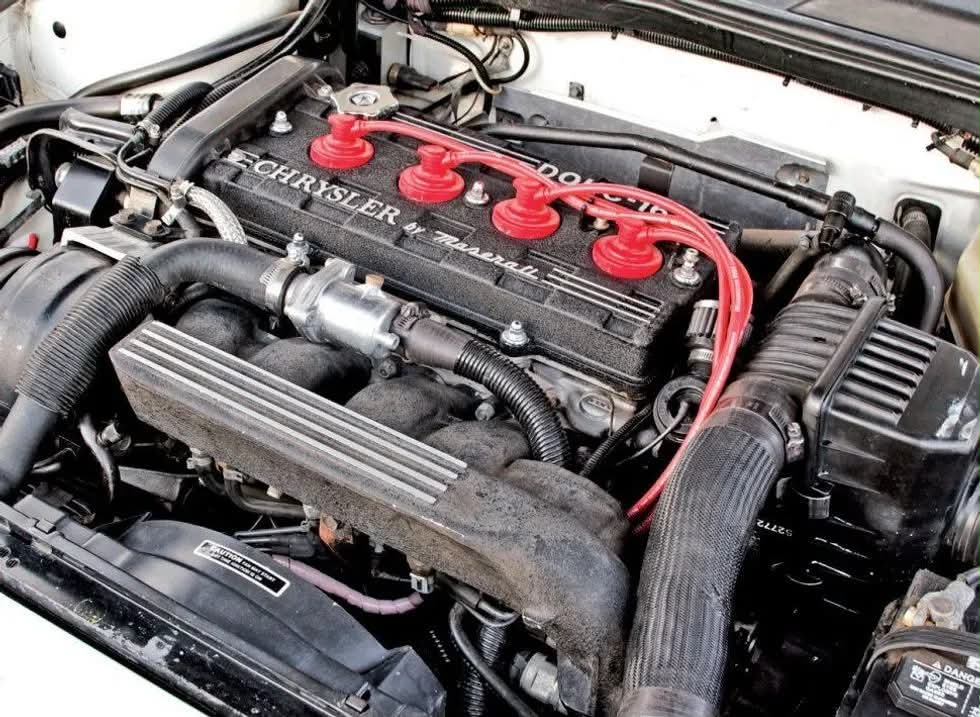
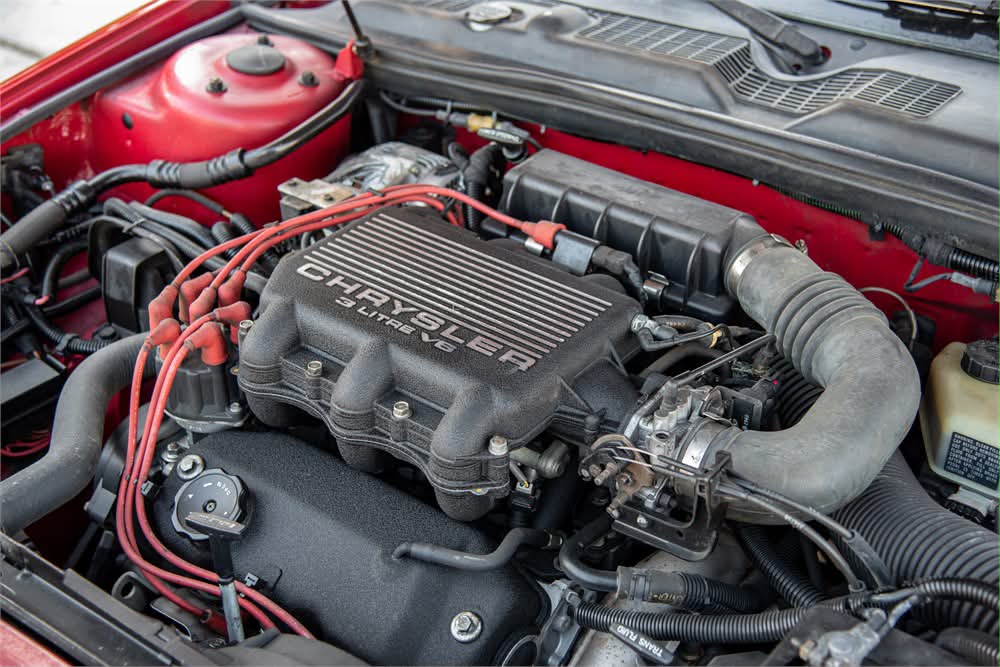
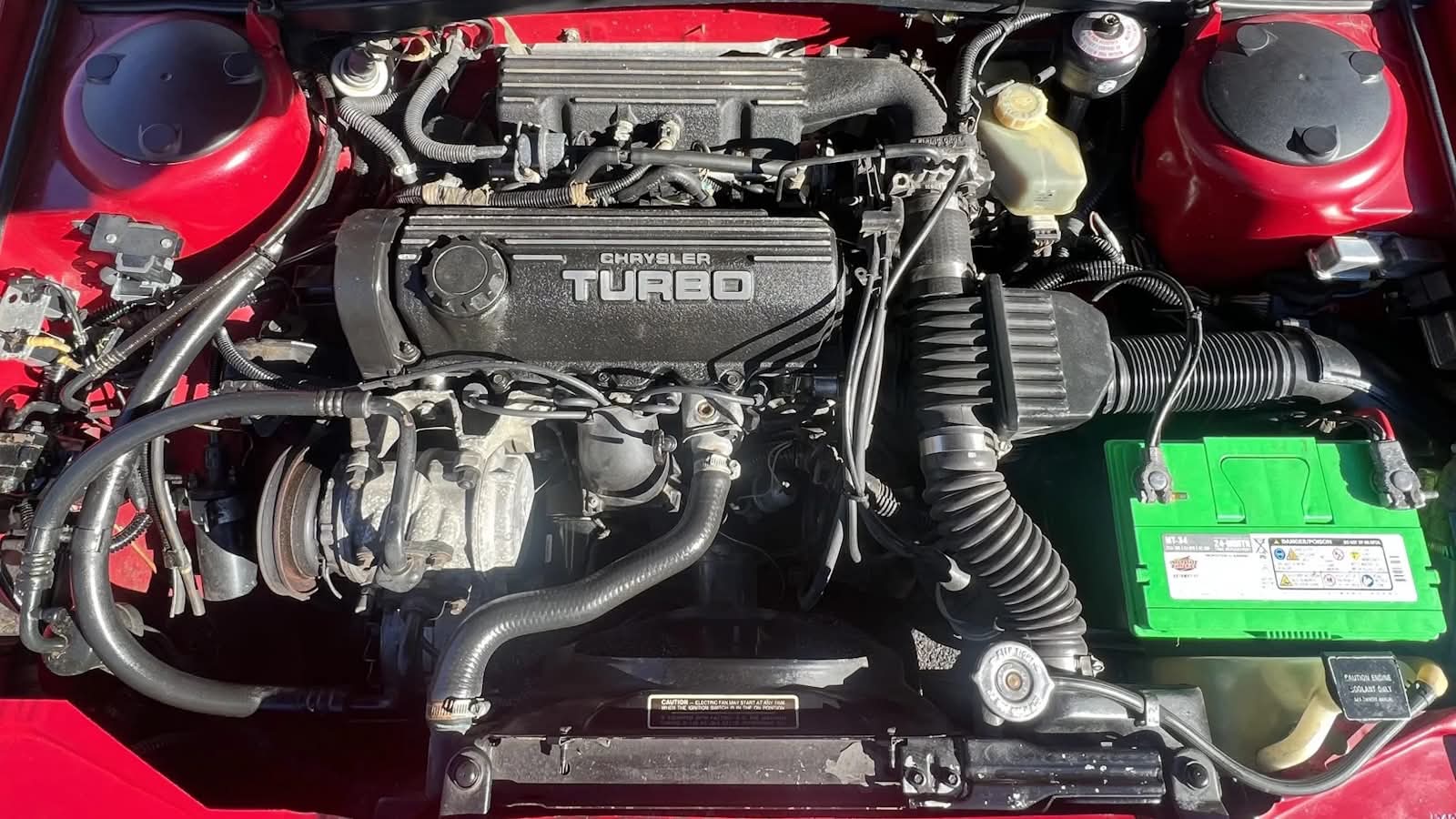
Most early cars used Chrysler’s 160-hp turbocharged 2.2-litre four with a three-speed automatic. But the most interesting version received a 200-hp 16-valve 2.2-litre turbo, with a Maserati-developed, Cosworth-cast cylinder head, paired with a five-speed Getrag manual. Later cars could also be ordered with Mitsubishi’s 3.0-litre V6.
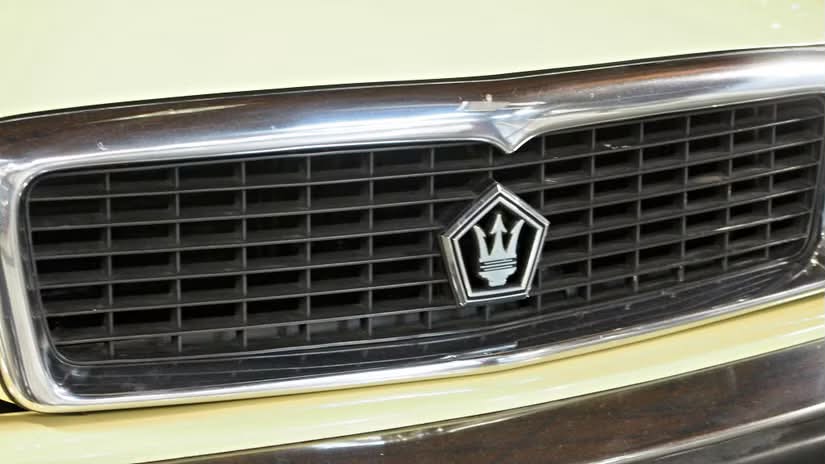
The TC even wore a badge combining Chrysler’s Pentastar with Maserati’s trident. Yet none of this could overcome its biggest problem: price.
When it reached showrooms in 1989, the TC started at roughly $33,000. A loaded LeBaron convertible, which looked remarkably similar, could cost around $14,000 less.
Automobile magazine joked that TC might as well stand for “Too Costly.”
Customers seemed to agree.
Chrysler had hoped to sell around 5,000 to 10,000 cars annually, but by late 1989 it was already telling Maserati to cap production. Ultimately, only about 7,300 were built across the 1989–91 model years.
The idea itself wasn't necessarily bad. Chrysler wanted Italian prestige, Maserati needed investment, and Iacocca wanted a halo car.
But the delays ruined the plan. The cheaper LeBaron that was supposed to follow the TC arrived first, leaving Chrysler’s Italian-built flagship looking like the imitation rather than the halo car.
What was meant to move Chrysler upmarket instead became one of the strangest cars of the Iacocca era: a Maserati-built Chrysler that could never escape the LeBaron’s shadow.