In the mid-70s, the F-body twins nearly lost their soul. As the fuel crisis pushed GM toward practicality, engineers developing the next Camaro and Firebird seriously considered front-wheel drive. Fortunately, they quickly realized the handling balance and V8 character expected of a Camaro would not survive the switch.
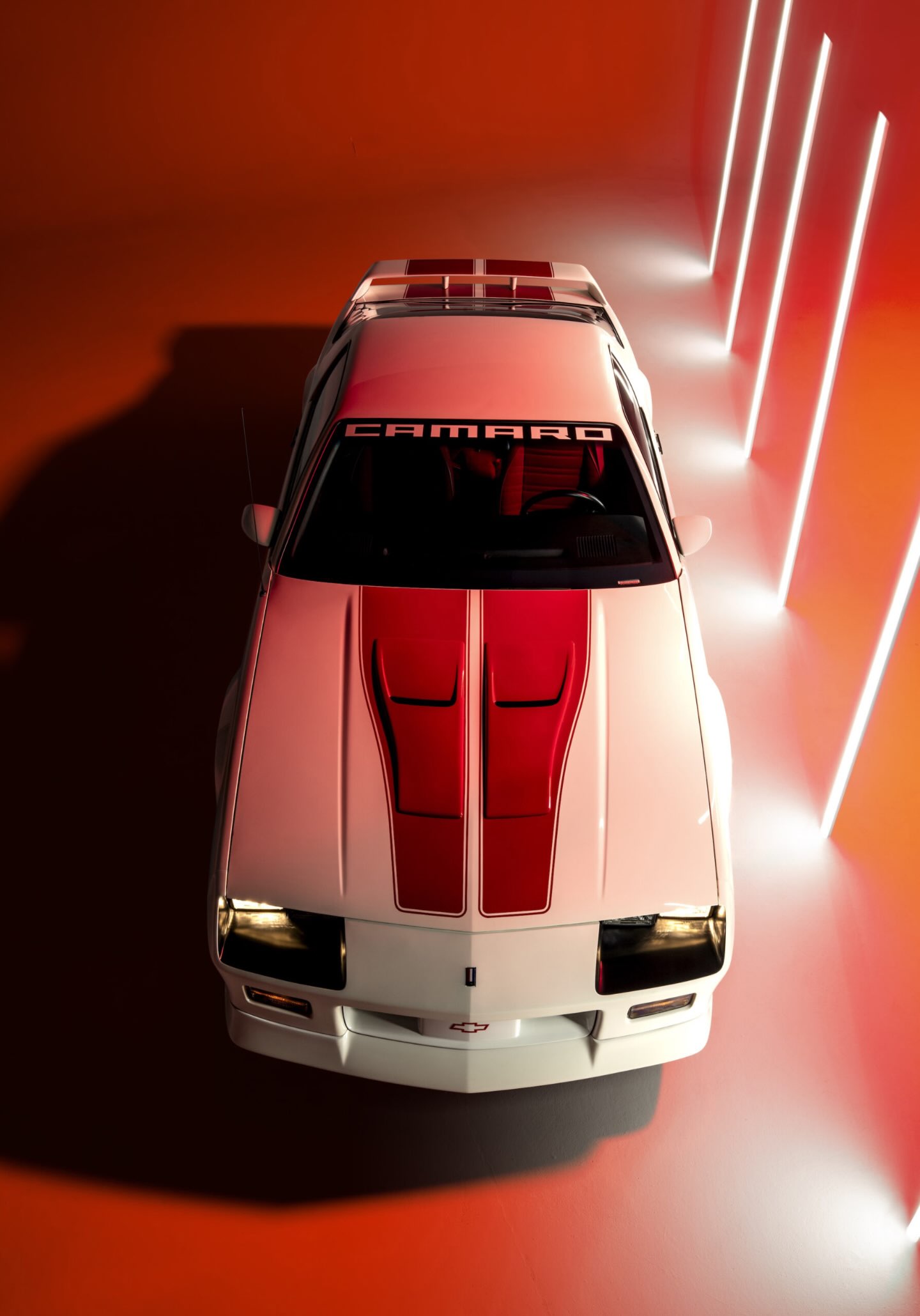
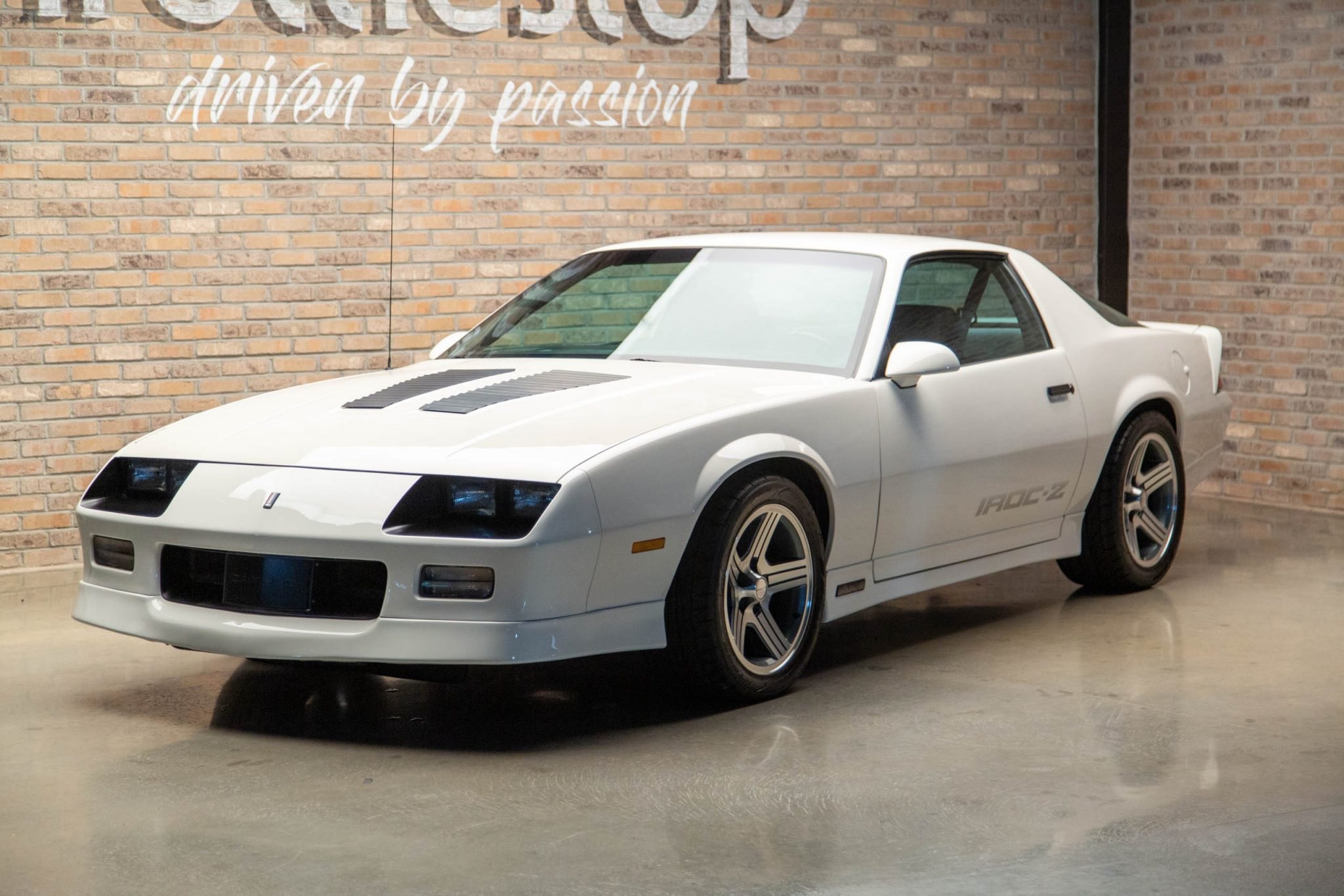
Designed by John Cafaro under Jerry Palmer, the third-gen Camaro emerged as a clean-sheet design. Lower, sharper, and dramatically more modern, it wore a steeply raked 62-degree windshield, an aggressive Z28 nose inspired by Daytona racers, and a hatchback body style.
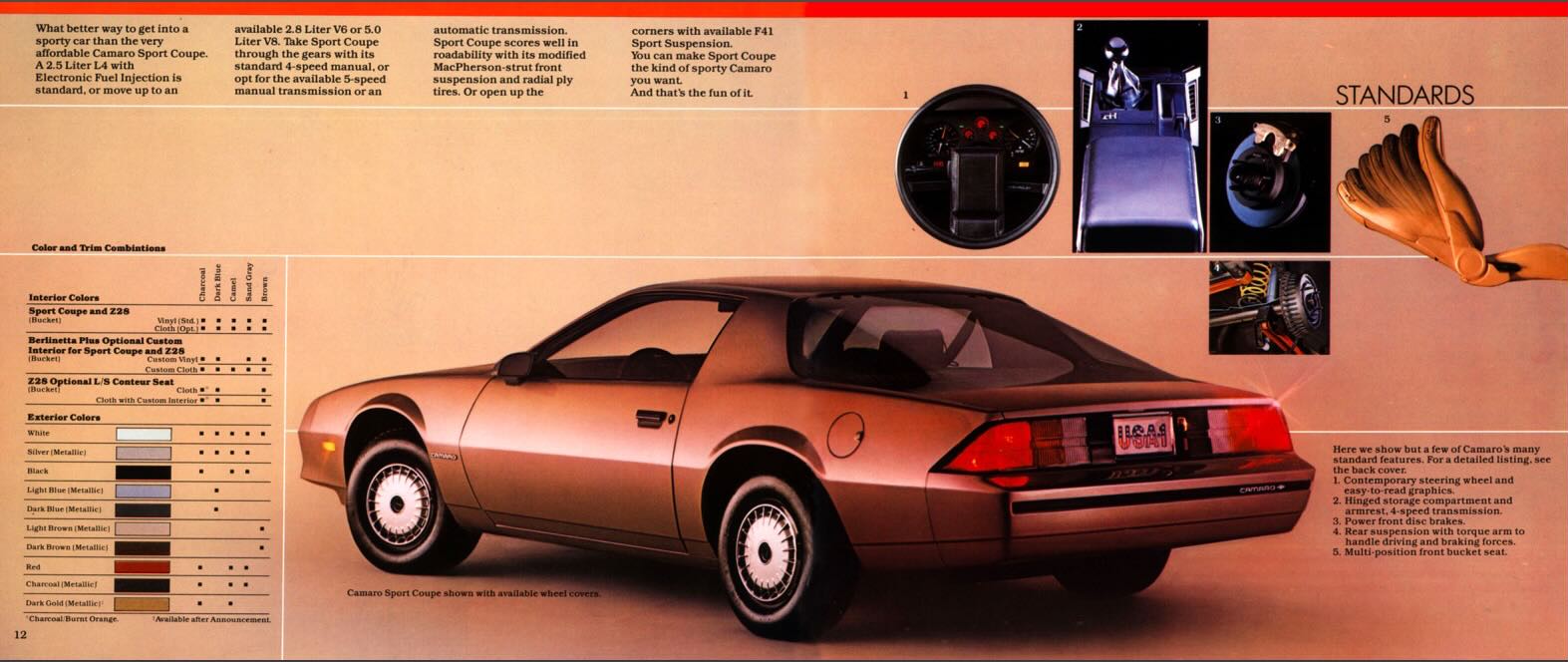
Beneath the skin sat what was then considered GM's best-handling chassis, with modified MacPherson struts up front, the coil separate from the strut, and a live rear axle. Combined with its slippery shape, the Camaro became a styling benchmark for the 80s.
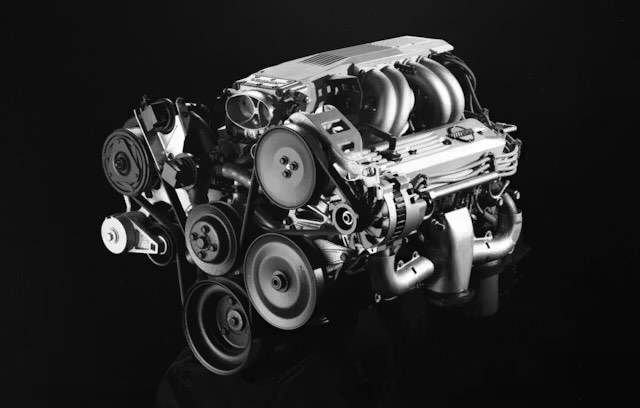
The problem was performance. GM's early-1980s thinking still had it in a chokehold. Engine displacement was capped, emissions loomed, and fuel injection remained immature. Base models got Pontiac's 90 hp Iron Duke four-cylinder, buyers could opt for a 2.8L V6, and even the Z28 managed only 165 hp from its 5.0L V8.
Chevy knew the chassis deserved better, and by 1985 the Camaro finally became the car its styling promised with the arrival of the IROC-Z. Named after Chevy's involvement in the International Race of Champions, power climbed to 215 hp from the high-output V8, and by 1987 the Corvette-sourced 350 returned with 245 hp.
Buyers in the know could even unlock the hardcore 1LE package by selecting the right combination of options on the order sheet. Early cars used an outdated four-speed manual before the far better Borg-Warner T-5 five-speed arrived, while the optional 700R4 automatic initially struggled with durability before later improvements.
Between 1982 and 1992, Chevrolet sold more than 1.3 million examples, making the third-gen Camaro a commercial success.