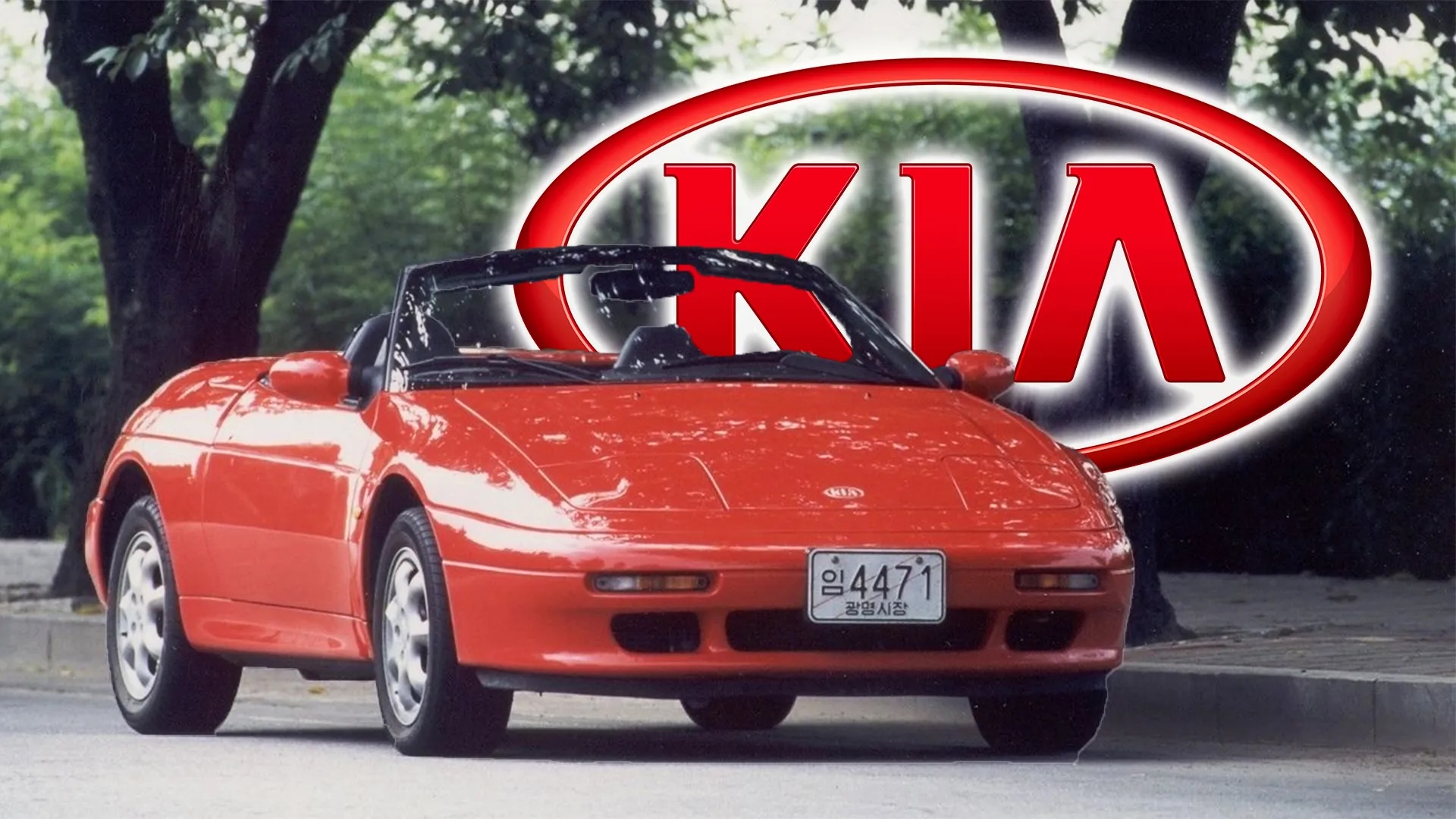
The Lotus Elan M100 ended production in 1995. Powered by a 1.6L turbocharged Isuzu engine making around 160 hp, it was a technical outlier for Lotus: front-wheel drive, turbocharged, and engineered with unusual everyday usability for the brand. But that was not the end of the Elan.
After Lotus was acquired by ACBN Holdings, the same group that owned Bugatti at the time, the company produced one final version: the Elan S2, built using the remaining stock of roughly 800 engines.
It was a brief run that arrived just before the launch of what would become one of Lotus's most iconic models, the Elise.
Many assumed the story ended there. GM eventually sold the rights and tooling for the car to Kia, and once the supply of Isuzu engines dried up, the Elan's future seemed sealed. But the ambitious Korean manufacturer had other ideas.
Kia was already familiar with building cars from licensed designs. Its debut model in the UK, the Pride, was based on the Mazda 121, and the company did not produce a fully in-house design until 1992. Creating its first sports car required a new drivetrain, both to satisfy local regulations and because there was no guarantee GM would supply the Isuzu engines used by Lotus.
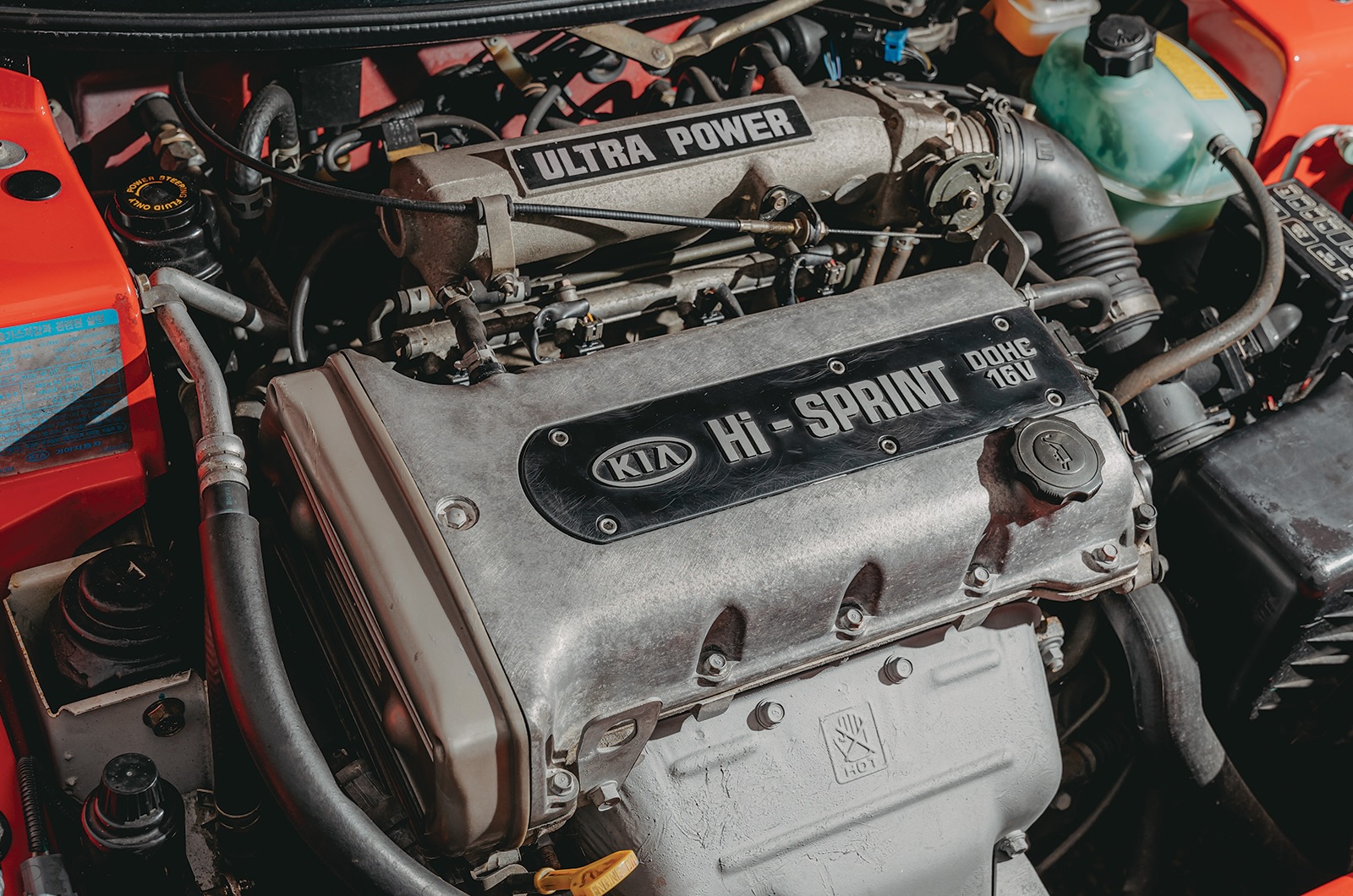
Instead, Kia chose the largest engine from its Sephia range: a 1.8L twin-cam unit known internally as the BP. If those initials sound familiar, it is because the engine traces its lineage back to Mazda's powerplant used in the MX-5.
The result was a Korean-built version of a British roadster powered by a Korean-built interpretation of the MX-5's engine.
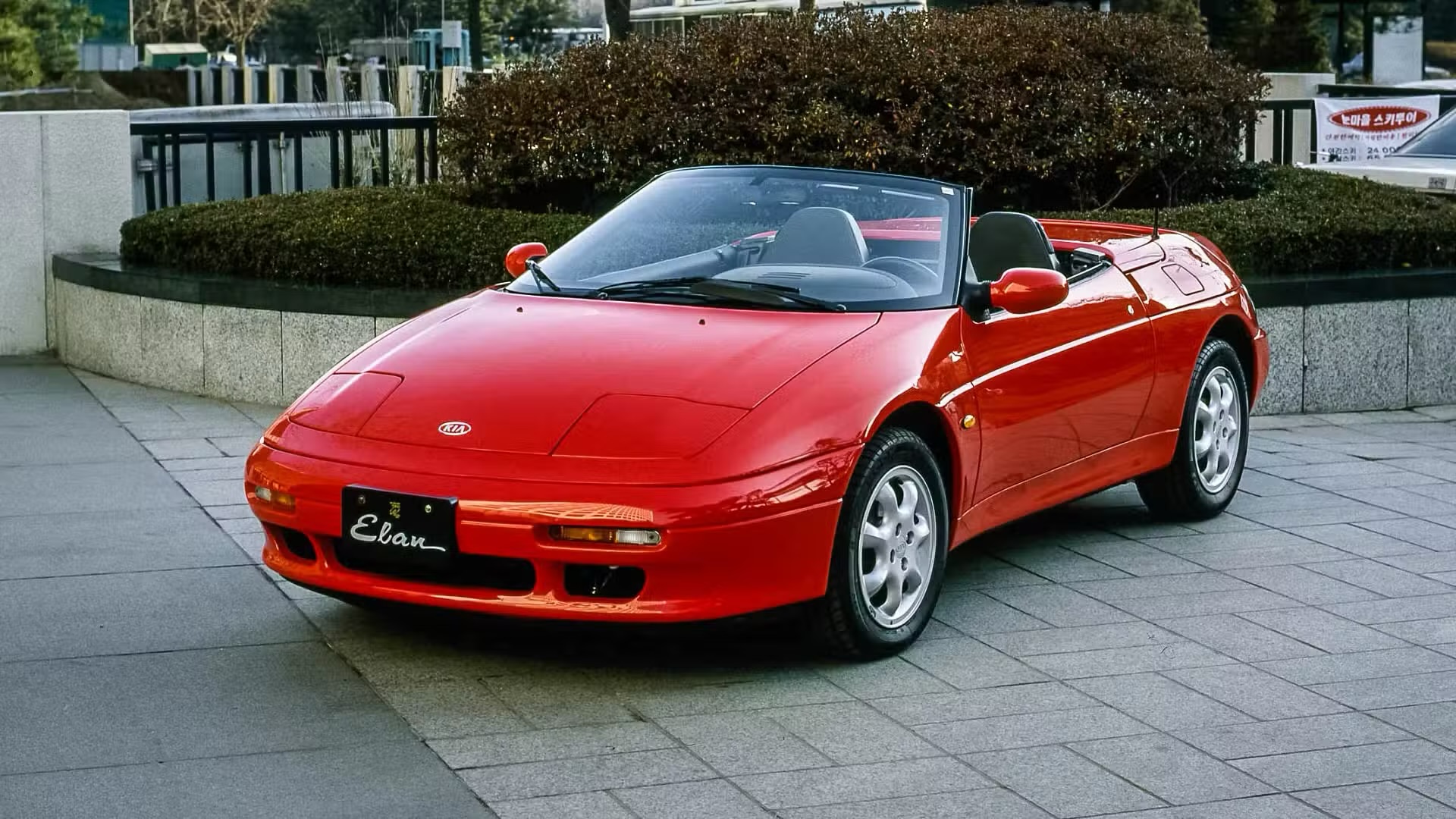
Kia made a few visual changes as well, most notably new taillights and minor interior revisions. Otherwise, the car remained remarkably faithful to the original.
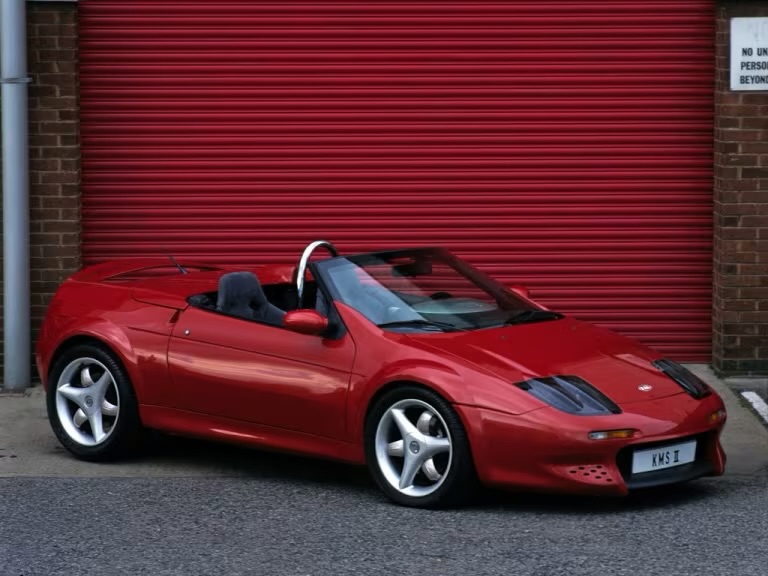
Because the Kia Elan was sold only in Korea and Japan, and in limited numbers, it is a rare sight today. Yet even among these cars, one example stands apart: the KMS-II prototype, of which only a single example exists.